Beyond the Viral Hype: The True Essence of Mahakumbh

 1 year, 8 months ago
- Beyond the staggering numbers and the awe-inspiring visuals, Mahakumbh is a reaffirmation of India’s deep-rooted spiritual ethos
Manoj Pathak
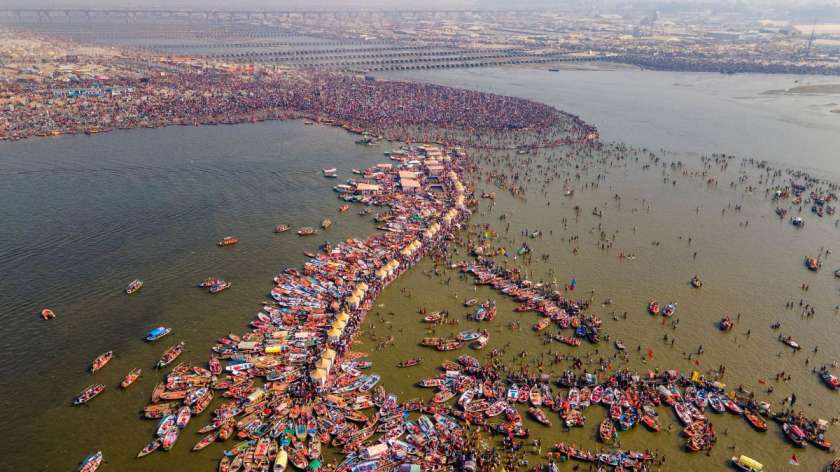
In an era where social media dictates the public discourse and fleeting trends dominate attention spans, the grandeur of Mahakumbh stands as a testament to timeless spirituality and devotion. While the digital world may focus on momentary spectacles, the true essence of Mahakumbh lies far beyond the viral clips and trending hashtags. It is a phenomenon that transcends generations, rooted in the unwavering faith of millions, the disciplined asceticism of sages, and the transformative power of spiritual wisdom.
The Soul of Mahakumbh
The heart of Mahakumbh beats not in the brief moments captured on camera but in the profound devotion of the Kalpavasis—pilgrims who dedicate their days to meditation, prayer, and self-discipline. It thrives in the sacred akhadas and spiritual camps where sages and ascetics impart knowledge on religion, yoga, and dharma. The air resonates with the enchanting sounds of Vedic chants and mantras, instilling a divine energy that envelops the entire gathering. In this sacred environment, countless community kitchens (langars) operate tirelessly, providing nourishment for both body and soul. These are the enduring elements of Mahakumbh that define its spiritual significance.
While social media virality is ephemeral—fading like a seasonal fever—the spiritual essence of Mahakumbh is eternal. This sacred gathering is not just a confluence of rivers but a confluence of traditions, wisdom, and self-discovery. Those who immerse themselves sincerely in its offerings drink from the true nectar of life—knowledge and devotion.
The Transformative Power of Satsang
For the millions who partake in the holy dip at the confluence of sacred rivers, the physical act of bathing is only the beginning. The real transformation happens in the company of saints and scholars, where satsang (spiritual congregations) instills wisdom and inner clarity. As Tulsidas eloquently wrote in the Ramcharitmanas,
"Binu satsang vivek na hoi, Ram kripa binu sulabh na soi."
(Without satsang, one cannot attain wisdom, and without Lord Ram’s grace, it remains unattainable.)
Satsang dissolves illusions, awakens the intellect, and deepens one’s connection with the divine. Another verse from the Ramcharitmanas emphasizes this truth:
"Satsangat mud mangal moola, soi phal sidhi sab sadhan fula."
(The root of happiness and auspiciousness lies in satsang, which leads to the fulfillment of all endeavors.)
Thus, Mahakumbh is more than a religious festival—it is a grand celebration of enlightenment, accessible to all who seek it with sincerity. The nectar of knowledge, like the sacred rivers, flows freely, and those who drink from it emerge transformed.
A Spectacle of Spirituality and Organization
Mahakumbh is not just a spiritual congregation; it is a visual and logistical marvel. The grand processions of Naga Sadhus, the intricate rituals performed at dawn, and the vibrant hymns that echo across the ghats create an immersive experience of devotion. The conch shells, the saffron-clad ascetics in deep meditation, and the rhythmic sounds of bhajans all contribute to the transcendental atmosphere.
Managing a congregation of millions is an administrative feat of immense proportions. From extensive tented accommodations to well-planned sanitation and security measures, the seamless organization of Mahakumbh ensures that devotees can focus on their spiritual pursuits without hindrance. This level of execution is a testament to the synergy between religious institutions and government bodies, working together to uphold the sanctity and success of this unparalleled gathering.
The Eternal Significance of Mahakumbh
Beyond the staggering numbers and the awe-inspiring visuals, Mahakumbh is a reaffirmation of India’s deep-rooted spiritual ethos. It is a powerful reminder that in an increasingly digital and materialistic world, the quest for self-realization remains as relevant as ever. The gathering exemplifies the essence of Sanatan Dharma—that truth, wisdom, and divine connection are eternal and transcend the barriers of time and technology.
Mahakumbh is not just a periodic event; it is a living tradition that binds the past, present, and future. It is a symbol of unity, continuity, and the enduring relationship between humankind and the divine. While social media trends fade into obscurity, the profound spiritual experience of Mahakumbh leaves an indelible mark on the souls of those who truly immerse themselves in its sacred offerings.
In a world driven by momentary distractions, Mahakumbh serves as an invitation—to step away from the superficial, to seek the eternal, and to embrace the infinite wisdom that it so generously bestows upon those who come with an open heart and a sincere spirit.








[[comment.comment_text]]