Killing the Future Dalai Lamas -The Architecture of a Modern Hell-

 4 months, 1 week ago
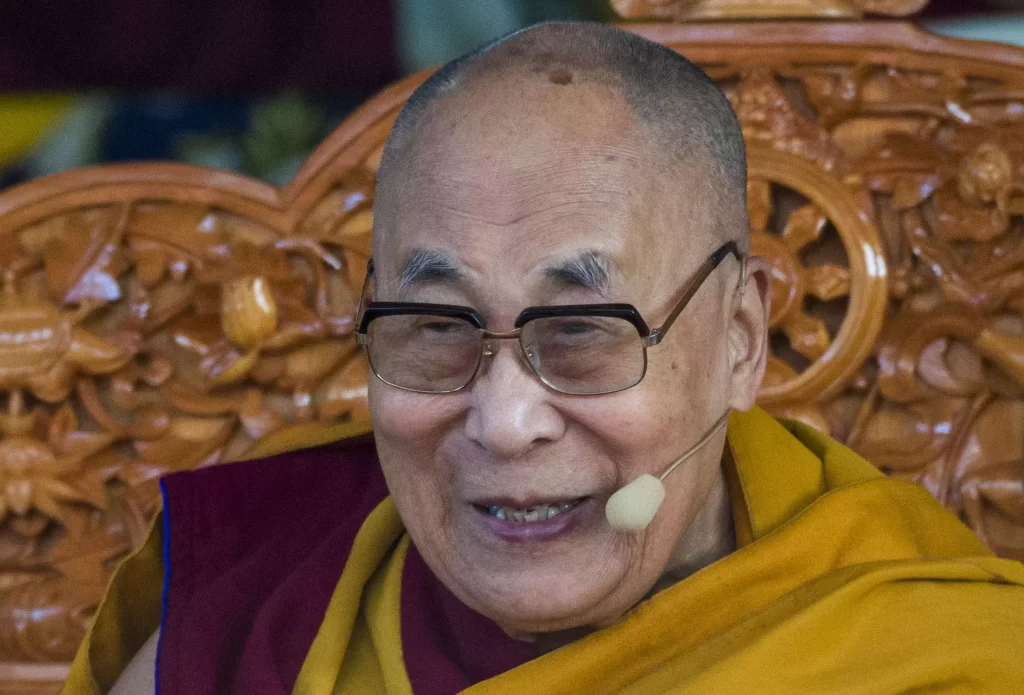
In 1959, when the 14th Dalai Lama fled Tibet as a fugitive, Jawaharlal Nehru’s government did not demand "linkage documents" or a paper trail of his ancestors. Instead, India showed the courage to offer sanctuary. This act transformed a displaced monk into one of the world's most powerful voices for peace. Crucially, the Dalai Lama’s message of compassion is never limited to his own faith. Like the current Pope Leo XIV and his predecessor Pope Francis, he speaks of a "universal responsibility" that goes beyond religious boundaries.
Contrast this grace with the current establishment, which has spent years damaging India’s spiritual heritage—particularly Hinduism—by using it as a tool for exclusion. The BJP’s campaign against "illegal immigrants" is no longer a secret; it is a blatant, multi-pronged assault. From the legal framework of the CAA and NRC to the door-to-door scrutiny of the Special Intensive Revision (SIR), the goal is the same: to take away the sense of belonging from the most vulnerable - its own citizens particularly from the Muslim community.
This campaign stands in direct opposition to the humane principles of the 1951 Refugee Convention, which protects fugitives from discrimination. While great faiths call for the protection of the "least among us," the modern Indian state has traded this moral compass for the cold machinery of "voter cleaning." This is an insult to every citizen, not just those being disenfranchised.
In late 2025 and early 2026, the United States increased its deportation of Indian nationals, sending many back in shackles and chains. Throughout this, the Indian government’s response was almost non-existent. They failed to speak out against the cruel treatment of their own people. Contrast this with Colombia. Though a smaller nation, it acted with more humanity; the Colombian government used its own military aircraft to collect deportees, ensuring they were treated with dignity rather than like criminals.
This silence suggests two things. First, the government may be unwilling to admit that conditions at home are so poor that people feel forced to leave. Second, it may be a calculated strategy to make the state appear indispensable. By weakening independent institutions and controlling access to jobs, the state ensures that citizens have nowhere else to turn. These tactics mirror authoritarian regimes that use national pride to maintain absolute control at home.
While the Indian government registered a technical "concern" in Parliament about the treatment of its citizens in the US, it simultaneously accelerated its own harsh treatment of refugees from Myanmar. Reports from our borders tell a story of inhumanity: families are separated, biometric data is used for surveillance, and refugees are forced back into the hands of the very juntas they fled.
The tragedy of the modern Indian state is that it now mirrors the very cruelty it once stood against. By dismantling the spirit of sanctuary, we are effectively killing the future Dalai Lamas and ensuring that the next great voice for peace will never find the safety to speak. We must remember that sanctuary is not a sign of weakness; it is the ultimate expression of civilisational strength. When we trade our moral compass for a ledger of exclusion, we cease to be a sanctuary and become a gatekeeper of hate. If we continue to architect this living hell, we must ask ourselves: what kind of country will be left for us to inherit?
(Mr. Ashok Lal, a former Professor of Communications and playwright & poet, is a known commentator on art, theatre, and cultural diversity issues.)


[[comment.comment_text]]