The Crisis of Purity: Plastic Fibre in Our Sacred River
 3 months, 2 weeks ago
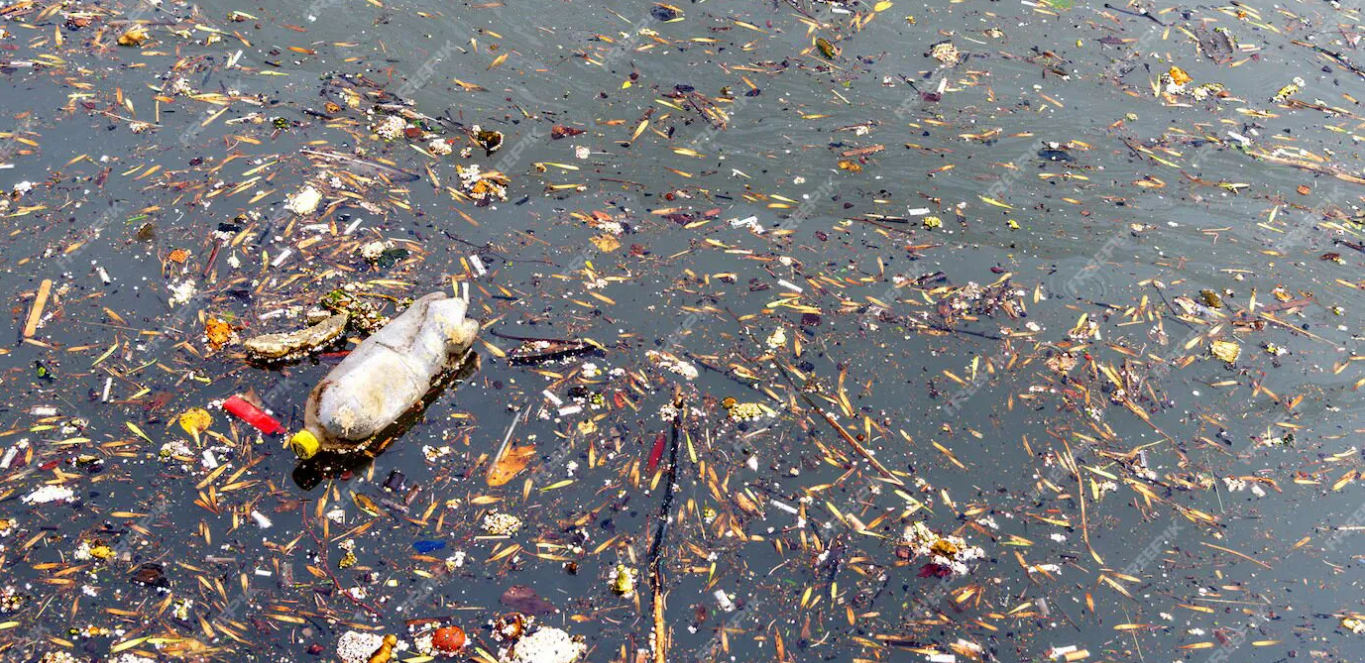
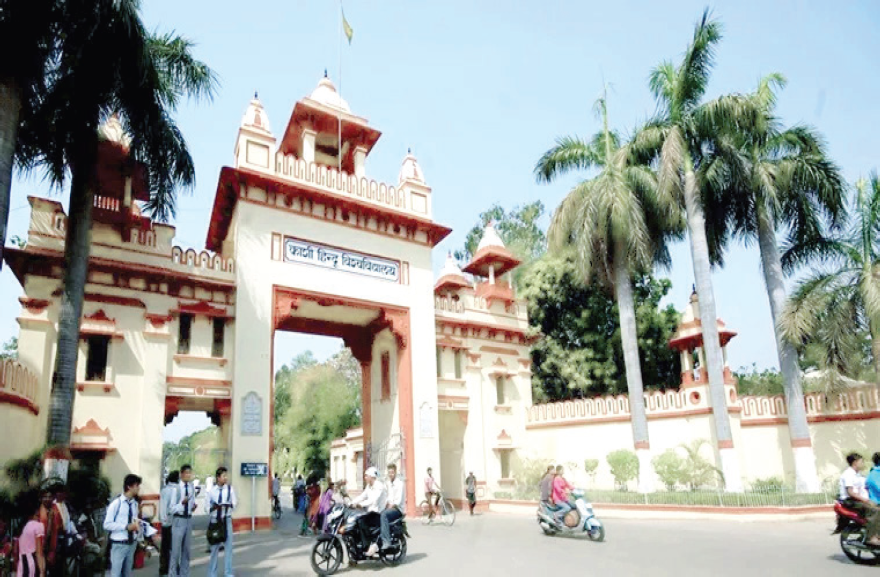
Yuval Noah Harari once warned that the future would not be defined by hunger alone—even the poorest may find food. Still, the greater danger will be food contaminated, impurity becoming the silent architect of incurable diseases. India, which imagines its existence through the sanctity of the Ganga, now faces that prophecy in real time. The river celebrated in films and rituals as “Maa Ganga” is delivering plastic fibre into our food chain. A study by Banaras Hindu University, published in ACS ES&T Water, examined 62 fish across four species and found microplastics in 70% of stomachs and intestines, and more alarmingly, in the edible muscle of 15%. If a person eats 250 grams of fish weekly, they may ingest 390 microplastic particles annually. The question is stark: how can a civilization survive when its sacred river becomes a conduit of poison?
Government data itself exposes the contradiction. India generates 3.5 million tons of plastic waste annually, yet less than 30% is recycled. The Plastic Waste Management Rules (2016, amended 2022) promised extended producer responsibility, but untreated sewage, textile effluents, and industrial discharge still flow unchecked into rivers. If the state knew that untreated wastewater was the primary carrier of fibre, why has sewage treatment capacity remained stagnant at only 37% of urban demand (CPCB, 2025)? Why do we invest in slogans like “Namami Gange” while the river itself chokes on synthetic fibre?
The economic stakes are equally damning. Agriculture and fisheries together support nearly 51% of India’s population, yet contaminated fish now threaten both livelihoods and food safety. If fishermen in Varanasi lose consumer trust, what compensation will replace generations of livelihood? If rural households ingest fibers alongside protein, what cost will the health system bear in treating respiratory and kidney ailments already rising in the last decade?
The authority of science has been side-lined. ICAR and ISRO warned since 2019 that climate volatility and pollution would devastate food chains, yet research continuity collapsed with regime changes. Why do we pay farmers subsidies that barely cover one irrigation cycle, but not fund research that could secure their crops and food safety for decades? Why do we write off loans worth ₹14 lakh crore in the last decade (RBI data) but fail to invest even a fraction in sustainable waste management?
The crisis Harari foresaw is not distant—it is here. The Ganga’s fish carry plastic in their flesh, and soon, so will we. The question is not whether India can feed its people, but whether it can keep that food pure. If purity itself is poisoned, what remains of civilization’s promise?
Invisible Fibers, Visible Diseases
The contamination of the Ganga is not only an ecological tragedy—it is a medical emergency unfolding quietly. Research centres under the Government of India, such as the Central Inland Fisheries Research Institute (CIFRI), DCFR Bhimtal, and CIBA Chennai, have repeatedly documented how microplastic fibres enter aquatic systems through untreated sewage, textile effluents, and industrial discharge. These fibres, often black and blue, are mistaken for food by fish and accumulate in their tissues. What the common person does not realise is that these particles do not vanish when cooked; they travel into the human body with every meal.
Medical studies now confirm microplastics in human blood, lungs, and even placenta. In India, the last decade has seen a sharp rise in respiratory illnesses, kidney dysfunction, and liver damage—conditions that doctors increasingly link to environmental toxins. If fibres can lodge in fish muscle, what prevents them from lodging in human organs? If plastic polymers can carry heavy metals and persistent organic pollutants, how long before they trigger cancers or autoimmune disorders? The question is not abstract; it is already visible in hospital wards.
Government data adds weight to the concern. India produces 3.5 million tonnes of plastic waste annually, but less than 30% is recycled. Sewage treatment capacity meets only 37% of urban demand (CPCB, 2025), leaving untreated wastewater to pour directly into rivers. If the state knows that untreated effluents are the primary carriers of fibers, why is investment in sewage treatment still lagging highway construction? Why do we celebrate “Namami Gange” while the river itself becomes a conveyor belt of synthetic poison?
The ordinary citizen remains unaware. A plate of fried fish in Varanasi or Allahabad is not seen as a carrier of invisible fibers. A glass of river water offered in ritual is not imagined as a dose of contaminants. Yet the fibres are there, entering silently, accumulating slowly. The danger is not immediate sickness but long‑term exposure, a creeping erosion of health that no subsidy or slogan can repair.
The crisis is therefore twofold: ignorance among the public and negligence among authorities. If purity itself is poisoned, what remains of civilization’s promise? The need is urgent—not for rhetoric, but for sustained research, strict waste control, and honest medical monitoring. Without it, the Ganga will continue to deliver not sanctity, but sickness.
Health, Responsibility, and the Banaras Dilemma
The crisis of microplastics and pollution in the Ganga cannot be understood in isolation; it is tied to three deeper failures that define our civic life.
First, health has always been treated as a secondary subject in India. More than 90% of people lack awareness or access to preventive care, and public health expenditure remains stuck at around 2% of GDP. This neglect means that when invisible contaminants like microplastics enter food and water, most citizens neither know nor demand accountability. The rise of respiratory, kidney, and liver disorders in the last decade is not only a medical statistic—it is proof of a society that has failed to treat health as a priority. If purity itself is poisoned, what remains of our promise to protect life?
Second, there is a vacuum of responsibility at the civic and social level. Municipal bodies struggle with untreated sewage—India’s sewage treatment capacity meets only 37% of urban demand (CPCB, 2025). Rainwater logging, overflowing drains, and untreated effluents are routine in cities like Varanasi. Yet accountability is absent. Who answers when fibers from textiles and plastics flow unchecked into rivers? Who is responsible when civic negligence converts sacred waters into toxic conduits? The absence of responsibility is not just administrative—it is cultural, a silence that allows contamination to become normal.
Third, the last decade has seen billions of rupees vested in tourism and employment schemes, while ancient cities like Varanasi—already densely populated—were made soft prey for over‑development. The pressure on sewers, the choking of air, the collapse of civic amenities, and the inability to declutter space have created a mess that authorities neither acknowledge nor resolve. Tourism projects have multiplied, but the city’s infrastructure has not kept pace. The result is a paradox: we celebrate heritage while suffocating the very environment that sustains it.
Together, these failures—neglect of health, lack of civic responsibility, and misplaced priorities—explain why India is failing to save its public, its money, its health, and its water. Rivers are not merely economic assets; they are symbols of civilization. If we cannot protect the Ganga from fibers and toxins, then we are not only losing a river—we are losing the very foundation of our cultural and human survival. The urgency is clear: care must come early, or civilization itself will be late.
The crisis of purity is no longer prophecy—it is present reality. Microplastics in Ganga fish are not just a scientific finding; they are a civilizational warning. The fibers that flow through the river now flow into our bodies, our hospitals, our economy, and our culture. India must decide whether it will continue to drown in slogans or rise with science. The choice is stark: protect the river, or watch civilization itself unravel fiber by fiber
(The author is an Associate Professor at the Department of Chemistry, Institute of Science, Banaras Hindu University.)





[[comment.comment_text]]