Beyond Awareness, Women Need Justice and Protection
 55 minutes ago
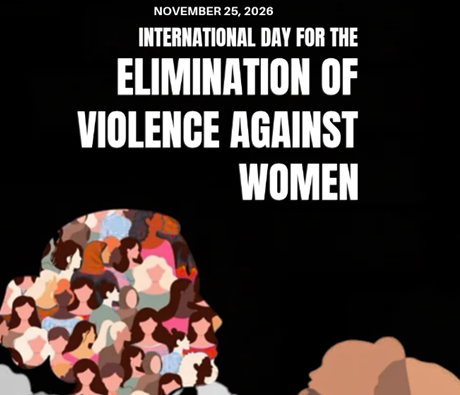
As the world observes the International Day for the Elimination of Violence against Women and begins 16 Days of Activism 2026, the focus must shift towards protecting survivors, strengthening justice systems, and ending impunity.
Women and girls continue to be the group that is most likely to be victims of violence in the world. For decades, public awareness-raising initiatives, changes in laws and international agreements have failed to stop millions of women from being physically, sexually, psychologically, and economically abused. For some, it's only the beginning after the violence has come to an end. It persists through fear, societal pressure, economic insecurity, and struggles to access justice.
UN Women estimates that around 840 million women, almost 1 in 3, all over the world, have suffered physical or sexual violence in their lifetime. This number shows just how big a problem it is that continues to impact women in various countries, communities, and economic statuses. Every statistic is a woman or girl whose safety, dignity, confidence, and opportunities have been impacted.
The International Day for the Elimination of Violence against Women, which is observed worldwide on 25 November every year, is a day to highlight this continuing issue. It is also the start of the 16 Days of Activism against Gender-Based Violence, which will continue until 10 December, International Human Rights Day.
The 2026 campaign theme is: "UNiTE to End Violence Against Women and Girls: Ensure Justice, Protect Survivors, End Impunity. The theme emphasizes three key priorities: Justice Through Access to Justice, Survivors' Protection, and Perpetrators' Accountability.
The Reality Behind the Silence.
A very troubling aspect of gender-based violence is that many survivors fail to seek assistance. However, the most recent evidence cited by UN Women suggests that very few women who suffer from physical or sexual violence turn to formal support systems. Few report to the police and fewer in many countries are seeking help.
This leads us to an important query: why do a lot of women stay silent?Many survivors find it hard to speak out because of the hazards. The abused woman may be afraid to lose her home, children, financial support or family support. In some communities, survivors are isolated, shamed, blamed, and required to keep quiet as if it were their fault if they shared their experiences.
The threat of retaliation is also big. Women might be threatened by those who commit the violence. If they get help, they may be subjected to additional abuse or even murder.
It is harder when survivors go to institutions or services with the expectation of being protected, but find that they are doubted, that their questions are insensitive or that their needs are not met. Others are asked about their personal issues or the time it took them to report the incident but are not supported. These experiences make it less likely that women will report them to their local police or other authorities, and less likely that justice systems will trust them.
The Challenge of Seeking Justice When It Is Another Struggle.
The challenges faced by survivors underscore the need for improved and more accessible justice systems. The presence of laws and policies is important, but their effectiveness is dependent upon how they are implemented.
Survivors must have safe places to share information about violence without facing judgement, threats or humiliation. All members of the police, health, legal, and social services should be sensitized and be able to handle them with professionalism and sensitivity.
Any legal process should preserve survivors' dignity and privacy. Repeatedly asking questions and being late or treating them poorly can worsen their trauma. No matter what, the experience of reporting violence should not be another traumatic experience for a woman seeking protection.
Accountability is also very important. Whenever the perpetrator is in a position of authority, control or influence over the survivor, or whenever the survivor is in a position of dependence on the perpetrator, the perpetrator should be held to proper legal accountability. If you don't feel that a bad deed will be addressed, you'll be more inclined to engage in violent behavior yourself and will find it easier not to tell if you witness any abuse.
Justice should not be limited to court proceedings. The needs of survivors may include legal help, counseling, temporary shelter, medical and economic rehabilitation. They should be afforded the chance to rebuild their lives without having to rely on those who have hurt them.
Femicide, the most extreme form of violence.
Some women are denied justice for gender-based violence when the situation is the most dire – the loss of life.Many women find it difficult to speak out about violence and claim their rights, but some women experience the worst possible outcome of gender-based violence: they lose their lives.
The most extreme form of violence against women and girls is known as femicide, or the killing of women and girls because of their sex. Often, intimate partners or family are the perpetrators.
According to a joint report by the United Nations Office on Drugs and Crime (UNODC) and UN Women, some 50,000 women and girls died in 2024 at the hands of intimate partners or other family members. That translates to 137 women and girls dying of violence by a member of their family every day on average. The report also revealed that intimate partners and family members were involved in killing women and girls in approximately 60 per cent of the cases worldwide.
These statistics are disturbing because for many women, their most dangerous threat to safety can be from someone they know and trust. Homes and domestic relationships need to be therefore taken seriously by families, communities and institutions for their violence.
To stop femicide, it is important to identify warning signs early and act as soon as possible, as well as report threats and ensure women are protected. Incidents of repeated abuse, intimidation, and domestic violence MUST NOT be ignored. What can be done can make the difference between a survivor getting protected and a tragedy occurring.This course will examine the role of families, communities, and institutions in society and the responsibilities they carry.
Prevention of gender based violence needs a community approach. The role of Governments is significant in establishing improved laws, institutional mechanisms and making sure that support services are available to those in need. But to achieve enduring change, families, schools, civil society organisations, media and communities also play a vital role.
Educational programs and initiatives are important in challenging attitudes that normalise discrimination, control and violence. It is critical that children and young people are taught about mutual respect, consent, equality and healthy relationships from an early age. Schools and colleges can be used to facilitate a discussion about gender equality, personal safety and responsible behaviour.
In some Kashmiri families, girls grow up hearing that they must tolerate taunts, humiliation and unequal treatment, particularly from members of their marital families. The expression ParayaDhan, often used for daughters, can reinforce the belief that a girl ultimately belongs to another household. Such attitudes may condition girls from childhood to consider silence, adjustment, and tolerance as essential parts of married life. Consequently, some women begin to accept emotional abuse and mistreatment as normal.
People's increased awareness is spurring more women to voice their opinions, but many women are still raising their voices in silence because of family pressure, financial dependence, and fear of social judgment. Other young women are also beginning to be concerned about marriage due to witnessing domestic violence and unequal treatment.
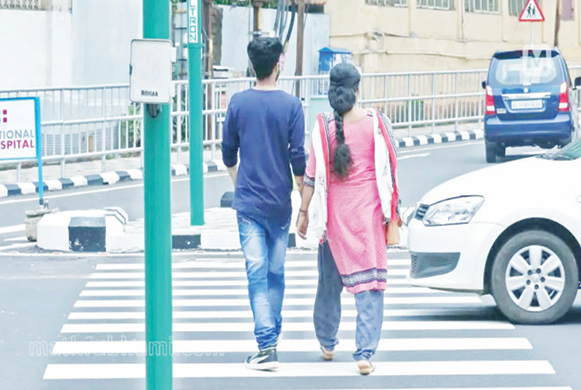
Women experience violence not just in their homes, but in public spaces, on transportation and digital platforms, through unwanted comments, harassment, inappropriate calls, unsolicited explicit images, and online stalking. They impact their safety, dignity, and confidence. To stop violence, we need to shift the attitude that enables women to accept abuse and create a society where every woman can speak out without fear.
Families should provide spaces in which women and girls are free to talk about their issues without fear of being judged. If a survivor comes to a family for assistance, she needs to be supported and protected, not pressured to keep quiet.
The media also has a vital role to play. Reporting violence should be sensitive and responsible, focusing on the violence without violating the privacy and identity of its victims. Media outlets should focus on holding people accountable, on prevention, and on the help that is available, rather than sensationalising events, and on challenging the notion of victim blaming.
Men and boys too need to be involved in this effort. Everyone is responsible to challenge negative attitudes, foster respectful relationships and stand against violence. All segments of the community must be involved in a safer society.
Our 16 Days of Activism – Turning Commitment into Action begins today!
The 16 Days of Activism against Gender Based Violence (25 November – 10 December) is a key moment to unite various actors around a shared goal.
The campaign links the International Day for the Elimination of Violence against Women with the International Human Rights Day to emphasize that women have the right to their safety, equality and dignity.
The UNiTE 2026 theme is to END VIOLENCE AGAINST WOMEN AND GIRLS; it invites governments, women's groups, the United Nations system, media and communities to UNITE to stop the violence against women and girls. During the campaign, people are also encouraged to 'Orange the World'. The colour orange represents hope and a better future without violence and is the colour for the UNiTE campaign.
These 16 days should not be judged by the number of events, posters, discussions or social media campaigns organised, however. Its true achievement will be demonstrated by more robust support mechanisms, more survivors feeling they have the confidence to report violence, effective institutional responses and more accountability.
Justice, Dignity and a Safer Future
The world statistics on gender-based violence affirm that the task ahead is vast. There are still millions of women being subjected to violence, and many women who are subject to violence simply do not have the means, resources, or courage to report it.
The theme for2026 is well defined: Justice, protect survivors, and end impunity. These priorities need to be mainstreamed in institutional agendas and community accountability that are not restricted to a single occasion every year.
During these 16 Days of Activism, the message should be loud and clear: Speak Out, Believe Survivors, Demand Justice. Every woman and girl deserves to live with dignity, security and freedom, without fear of violence. Justice must never be a privilege available to a few. It should remain a right that all survivors should be able to have.
(The Author is a Writer and Social commentator who writes on themes related to women's empowerment, rural livelihoods, entrepreneurship, health, and changing social realities in the Kashmir Valley. rakshandagul629@gmail.com)






[[comment.comment_text]]