The Delhi-Dhaka Tightrope: Navigating Sheikh Hasina’s Proposed Return

 17 minutes ago
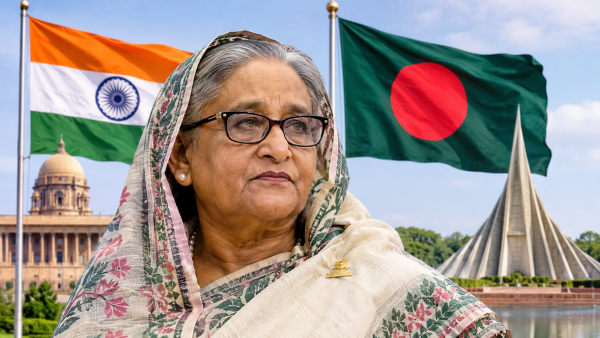
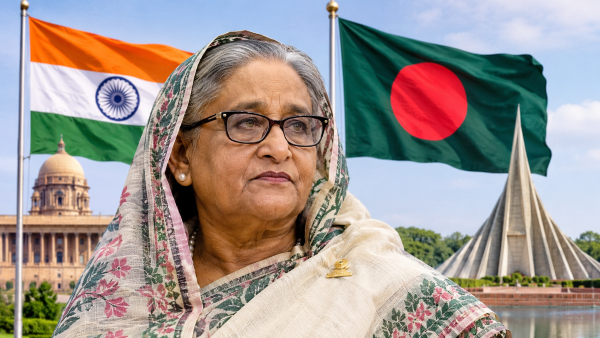
Ousted Bangladeshi Prime Minister Sheikh Hasina’s announcement that she intends to return to Dhaka from exile in India on December 16—Bangladesh’s Victory Day—introduces a pivotal moment for bilateral ties between New Delhi and Dhaka. According to a statement issued on November 24 by her spokesman Syed Mozammel Ali, Ms. Hasina has formally called upon the government of current Prime Minister Tarique Rahman to arrange her air transport from Delhi back to Dhaka on the national airline, noting that she was originally flown to India on a Bangladeshi aircraft when a student-led mass uprising ended her 15-year rule on August 5, 2024. The selection of December 16 carries profound historical weight; as her aide Abu Obaidha Arin told The Associated Press, the date commemorates the nation's 1971 independence victory achieved under the leadership of her father, Bangabandhu Sheikh Mujibur Rahman.
For India, which has hosted Ms. Hasina since her departure from Dhaka over two years ago, her declared intention to return at any cost places New Delhi at the centre of a delicate diplomatic equation. Having provided refuge to a longtime ally while simultaneously navigating working relations with the post-uprising administration in Dhaka, India now faces the prospect of facilitating—or witnessing—a high-stakes political transition originating from its soil. Ms. Hasina’s direct request for state-arranged transport between Delhi and Dhaka effectively brings bilateral coordination into sharp focus, requiring both capitals to manage the logistical and diplomatic sensitivities of her departure from Indian territory.
The domestic legal and political realities awaiting Ms. Hasina in Bangladesh further complicate the regional outlook. Having been sentenced to death in absentia for crimes against humanity linked to the 2024 uprising in which hundreds of protesters were killed, she has rejected the verdict and expressed readiness to contest the case upon her return. Earlier this month, in an interview with The Associated Press, Ms. Hasina stated that even death could not prevent her from returning home in December. Meanwhile, Mr. Arin expressed confidence that her return would guide Bangladesh back toward peace, stability, and prosperity, underscoring the deeply polarized interpretations of her political legacy within the country.
How Prime Minister Tarique Rahman’s administration responds to this request will serve as a critical test for institutional stability in Dhaka and its diplomatic engagement with New Delhi. Acceding to the demand for a national airline flight could carry significant domestic political ramifications given the standing court verdict against her, whereas denying or ignoring the request risks escalating political friction ahead of a symbolically charged national holiday. For India, maintaining a careful posture that respects Bangladesh's sovereign legal and political processes while ensuring regional stability remains paramount.
The events leading up to December 16 will test the maturity and resilience of the India-Bangladesh relationship. Beyond individual leaders, the two neighbours share deep historical, economic, and security ties that depend on predictable governance and mutual restraint. As Ms. Hasina prepares for a return fraught with legal and political consequences, both New Delhi and Dhaka will need to navigate the coming weeks with pragmatic diplomacy to ensure that domestic political turbulence in Bangladesh does not spill over into long-term bilateral strain.



[[comment.comment_text]]