Flooded by Failure

 3 months, 1 week ago
Every year, the arrival of the monsoon is welcomed as a lifeline for India. It cools the scorching summer, replenishes reservoirs, nourishes farms and revives ecosystems. But for millions living in India's cities, the first rains now bring a different emotion—fear. Fear of flooded roads, hours-long traffic jams, disrupted public transport, overflowing drains and homes inundated with water. The monsoon, once celebrated as a blessing, has become an annual reminder of the country's urban planning failures.
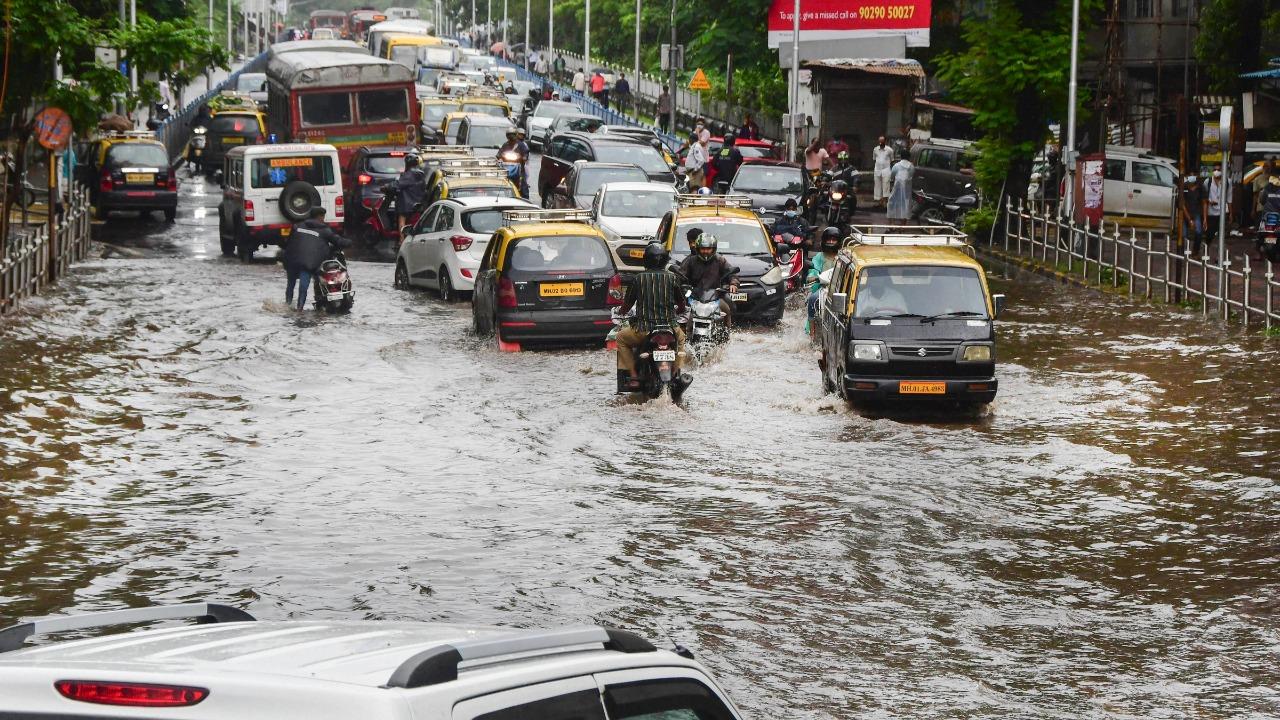
This year's monsoon has once again exposed these weaknesses. It arrived later than usual, advanced slowly across the country and, according to the India Meteorological Department, is unlikely to deliver exceptionally heavy seasonal rainfall. Yet Mumbai was brought to its knees by the very first spell of rain. Roads disappeared under water, suburban train services were disrupted, vehicles broke down and normal life came to a standstill. Similar scenes have become routine in Bengaluru, Delhi, Chennai and several other Indian cities whenever the skies open.
The irony is striking. Even a delayed and relatively modest monsoon is capable of paralysing India's largest urban centres. The explanation lies not in the amount of rainfall but in the inability of cities to manage it.
Climate change has undoubtedly altered rainfall patterns. Instead of steady showers spread over several days, cities increasingly experience short bursts of extremely heavy rain followed by long dry spells. Such intense precipitation overwhelms drainage systems designed decades ago for a very different climate. However, blaming climate change alone would be misleading. Nature may have changed the intensity of rainfall, but human negligence has multiplied its impact.
Across India, urban development has steadily erased natural drainage systems. Wetlands have been filled, lakes have shrunk, rivers have been encroached upon and floodplains have been converted into real estate projects. Open land that once absorbed rainwater now lies buried beneath layers of asphalt and concrete. Every new parking lot, shopping complex and housing colony reduces the ground's ability to soak up water. As a result, rainwater has nowhere to go except onto roads and into homes.
The problem is compounded by ageing infrastructure. Stormwater drains in many cities were built decades ago for much smaller populations and lower levels of urbanisation. Many remain clogged with plastic waste, construction debris and silt. Encroachments block natural water channels, while poor maintenance ensures that drainage systems fail precisely when they are needed most.
Unfortunately, this is no longer an unforeseen emergency. It has become an annual ritual. Before every monsoon, municipal authorities promise desilting operations, emergency preparedness and flood-control measures. After every flood, officials blame unusually heavy rainfall, while citizens bear the consequences. Once the water recedes, the urgency disappears until the next monsoon arrives.
The Bombay High Court's recent direction to the Brihanmumbai Municipal Corporation to ensure that open manholes do not endanger lives during the rainy season highlights how even basic civic responsibilities remain neglected. If something as fundamental as covering manholes requires judicial intervention, it reflects a deeper crisis of governance rather than a shortage of resources.
Urban flooding is no longer merely a civic inconvenience. It carries enormous economic and social costs. Businesses lose productivity, transport networks collapse, schools shut down and healthcare systems struggle with outbreaks of waterborne diseases. Daily wage earners suffer immediate income losses, while property owners face repeated damage year after year. As India's economy becomes increasingly urban, these disruptions also weaken national economic growth.
The answer is not simply building larger drains. Indian cities must rethink the relationship between urban development and nature. Wetlands, lakes and natural water channels must be protected instead of being treated as vacant land for construction. Drainage systems need to be redesigned to accommodate today's rainfall patterns rather than yesterday's assumptions. Permeable pavements, rainwater harvesting, green spaces and flood-resilient urban planning should become standard practice rather than isolated pilot projects.
Above all, accountability must replace complacency. Flooding after the first rain should not be accepted as normal. Every flooded street represents a failure of planning, maintenance and governance. Every submerged neighbourhood reflects decisions taken over many years that ignored ecological realities in favour of short-term development.
India's cities are expanding rapidly, and climate change will only make weather more unpredictable. The choice before policymakers is clear. They can continue treating every monsoon as an unexpected disaster, or they can invest in resilient infrastructure that respects both science and nature.
The rains are not exposing the failure of the monsoon. They are exposing the failure of our cities.




[[comment.comment_text]]