Silkyara Tunnel Project Sparks Environmental Crisis in the Radi Mountain

 2 years, 10 months ago
the preservation of the delicate ecosystem must be the top priority. Collaborative efforts among officials, environmentalists, and experts are essential to address the immediate crisis and establish long-term sustainable solutions.
Amit Pandey, Nainital
In a race against time to rescue stranded individuals, the Silkyara tunnel project in the Radi mountain range of the Himalayas has inadvertently sparked an environmental crisis. Concerns are mounting as experts warn of the potential sinkage of the mountain due to excessive mechanical work and disturbance of aquifers.
The Radi mountain, known for its captivating beauty and rich biodiversity, is now facing an uncertain future. The ambitious Silkyara tunnel project, initially intended to provide improved connectivity, has raised eyebrows among environmentalists due to its significant impact on the delicate ecosystem of the area.
Suresh Bhai of Nadi Bachao Andolan, who has been closely studying the situation at Silkyara, expressed deep concern over the future consequences of the ongoing construction. "While rescuing the 41 stranded individuals is of utmost importance, we must also acknowledge the long-term effects of excessive mechanical work. The Radi mountain, covered in snow during winters, holds vast amounts of water that percolates through the mountain, creating a porous environment. However, the construction of the tunnel has led to the felling of numerous trees, disturbance of aquifers, and excavation of land, posing a significant threat to the mountain's stability."
To address the immediate crisis, officials have identified five crucial excavation points on the Radi mountain for rescue operations. Work has already begun from three sides - Silkyara, Barkot, and Radi top. However, environmentalists stress the urgent need for delicate handling, given the mountain's porous nature and the presence of vital water sources throughout the area.
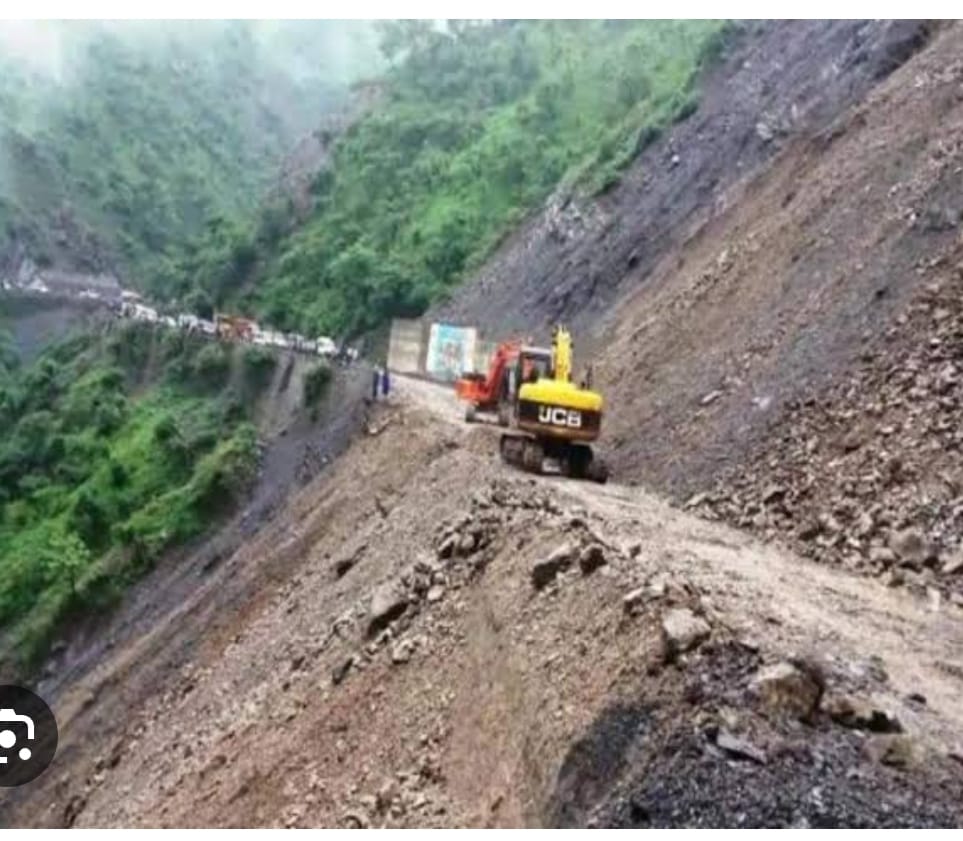
The fragility of the Radi mountain has been a cause for concern. With ongoing excavation for the 4.5 km tunnel, the stability of the mountain is at risk, potentially leading to landslides and the disruption of essential water sources. Environmental experts warn that without careful management and mitigation measures, the consequences could be irreparable.
The current environmental crisis unfolding in the heart of the Radi mountain demands immediate attention and thoughtful action. Balancing the need for rescue operations while ensuring the preservation of the delicate ecosystem must be the top priority. Collaborative efforts among officials, environmentalists, and experts are essential to address the immediate crisis and establish long-term sustainable solutions.
As discussions continue regarding the Silkyara tunnel project, it is crucial to incorporate conservation efforts and environmental impact assessments into the construction process. Only through comprehensive planning and responsible action can we preserve the natural beauty and ecological balance of the Radi mountain for future generations











[[comment.comment_text]]