Sacred Flower of the Himalayas Teeters on the Brink of Extinction
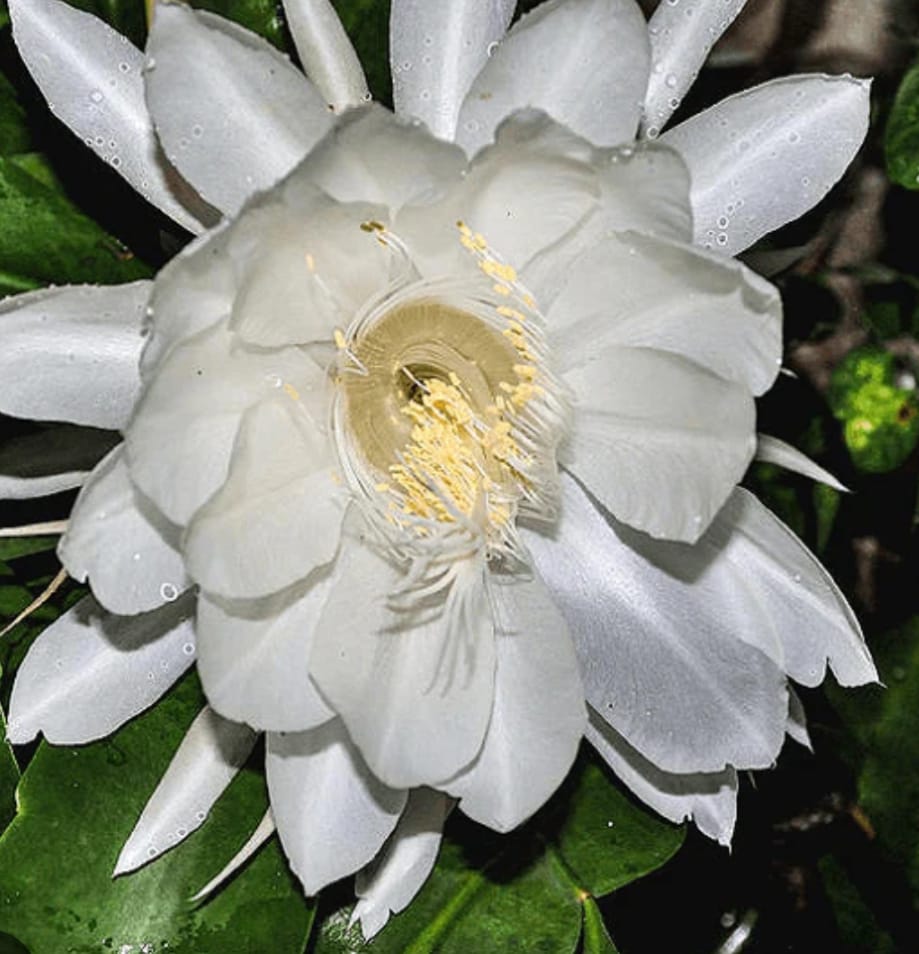

 2 years, 10 months ago
Climate Change and Habitat Loss Threaten the Survival of the Rare Sacred Flower locally known as Braham Kamal
Amit Pandey, Champawat
In a remote corner of the majestic Himalayan state, a precious gem of nature is facing an uncertain future. The Sacred Flower, an extraordinary species revered for its significance in Hindi mythology and cherished for its medicinal properties, is now perilously close to extinction. Its delicate petals, vibrant colors, and enchanting fragrance have captivated the hearts of locals and visitors alike, but climate change and habitat loss have pushed this iconic flower to the edge.
The Sacred Flower, known by its scientific name "Sacraflora Himalayensis," can only be found at high altitudes in the Himalayas, where it thrives in the rarefied air and scenic landscapes. For centuries, it has held a sacred place in Hindu mythology, symbolizing purity, divinity, and spiritual enlightenment. The flower is often associated with deities and is an integral part of religious rituals and ceremonies.
Beyond its mythical significance, the Sacred Flower possesses remarkable medicinal properties. Traditional healers and Ayurvedic practitioners have long harnessed its healing potential to treat various ailments. Its petals, stems, and roots contain compounds with potent antioxidant and anti-inflammatory properties, making it a valuable resource for natural remedies.
However, the very existence of this extraordinary flower is now under threat. Climate change, marked by rising temperatures and erratic weather patterns, has disrupted the delicate ecological balance of the Himalayan region. The Sacred Flower, adapted to the specific climatic conditions of high altitudes, is struggling to survive in the face of these unprecedented changes. Increased temperatures, altered rainfall patterns, and shifting snowfall have disturbed its natural habitat, leaving it vulnerable and unable to reproduce effectively.
Furthermore, the encroachment of human activities and habitat loss have compounded the challenges faced by the Sacred Flower. Rapid urbanization, deforestation, and unsustainable tourism practices have resulted in the destruction of its natural habitat. The expansion of infrastructure, including roads and settlements, has fragmented the flower's territory, isolating populations and limiting their gene flow.
The fate of the Sacred Flower hangs in the balance, and urgent action is required to ensure its survival. It is not merely a flower of extraordinary beauty and fragrance but a living symbol of mythology, culture, and natural heritage. Preserving this precious species is not only a responsibility but also an opportunity to safeguard the rich biodiversity of the Himalayas for future generations.











[[comment.comment_text]]