Prakriti Samvaad : beginning of a decisive movement for nature-centric development

 2 years, 10 months ago
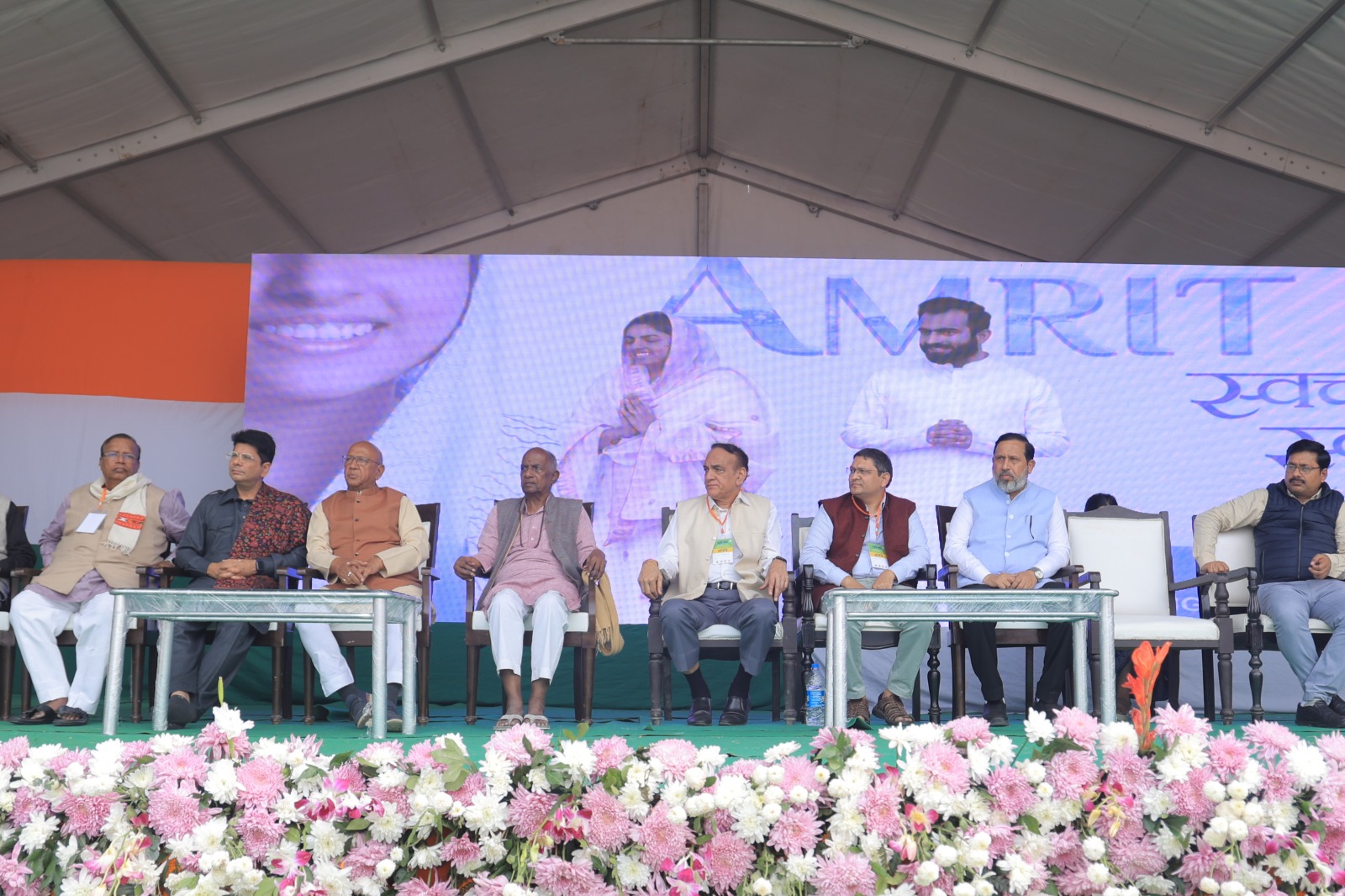
Govindacharya initiated a groundbreaking dialogue on nature at Ramleela Maidan
Thousands flocked Delhi to support the agenda of a sustainable and harmonious coexistence with nature
New Delhi, EW News : Renowned nationalist thinker K.N. Govindacharya initiated a groundbreaking dialogue on nature at Ramleela Maidan, declaring that this event signifies not just a one-day affair but the commencement of a significant movement. The gathering witnessed active participation from various social, environmental, religious, and spiritual organizations, as well as students from schools and colleges across Delhi.
During the four-hour dialogue, experts discussed the current state of every aspect of nature, including mountains, rivers, oceans, and forests, emphasizing the need for conservation. Representatives from Nirankari, Namdhari, Prajapita Brahmakumari, and Gayatri Parivar, among other active social and environmental organizations in Delhi, contributed to the discourse.
Speaking passionately about the importance of the event, Govindacharya stressed that the gathering was not merely symbolic but aimed at formulating a comprehensive plan for nature-centric development. He highlighted the dual focus of the initiative, combining policy-driven emphasis on nature-centric development with the decentralization of power.
The program began with a musical presentation by storyteller Ajay Bhai, setting the tone for discussions on the significance of each aspect of nature. Experts such as Professor Vimlesh Pant from IIT Delhi, Principal Pratyush Vatsala from Lady Shri Ram College, Professor Shashank Singh from DU's Department of Geography, and Dr. Fayaz Khudsar, in charge of Delhi's Biodiversity Park, shared their insights.
Various dignitaries, including environmentalist Mallika Bhanot, Dr. Sanjay Singh from the Parmarth Foundation, environmental activist Anupam, and coordinator Rajyogini BK Anusuya from Brahmakumaris Delhi Youth Wing, addressed the audience.
The speakers touched upon critical environmental issues, including the rejuvenation of rivers, pollution control, and the significance of afforestation. The event also saw the release of a research report on the revival of four rivers in Bundelkhand by Dr. Sanjay Singh.
In his address, Govindacharya outlined the objectives of the upcoming movement, emphasizing the need for dialogue, consensus, and cooperation to address environmental challenges collectively. He urged the participants to engage in constructive discussions at the district level, focusing on finding solutions to specific challenges faced by local communities.
The event received recognition for bringing together experts, activists, and representatives of various organizations, fostering a sense of shared responsibility for environmental conservation. The engaging discussions underscored the importance of adopting a nature-centric approach to development.
In conclusion, Govindacharya reiterated that the movement is not a one-time event but a sustained effort toward formulating and implementing policies for nature-centric development. He called on everyone to participate actively, learn from existing initiatives, and strengthen collective efforts for the well-being of the planet. The dialogue concluded with a renewed commitment to work towards a sustainable and harmonious coexistence with nature.







[[comment.comment_text]]