Pollution matter: Don't try to non-perform and shift burden onto SC

 2 years, 11 months ago
Supreme Court to Delhi govt, the court has nothing to do with the odd-even scheme
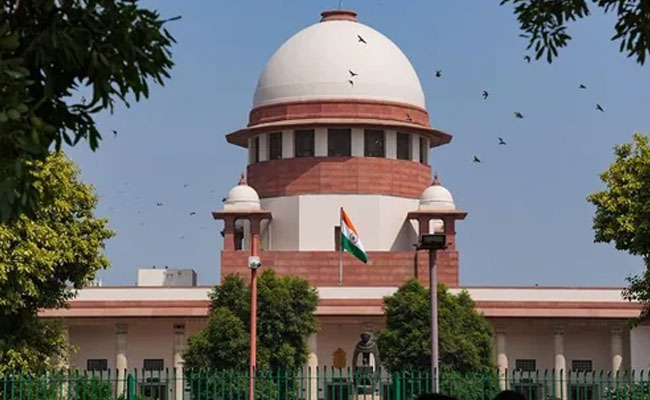
New Delhi, EW News : Don't try to non-perform and shift the burden onto the court, the Supreme Court told the Delhi government on Friday, making clear that the decision on introducing the odd-even car rationing scheme in the national capital has to be taken by the city government and the court will not issue any direction on it.
While hearing a matter on the worsening air quality in the Delhi-National Capital Region, a bench headed by Justice Sanjay Kishan Kaul said the court had nothing to do with the odd-even scheme and it had never said that it should also apply to taxis entering Delhi from the adjoining states.
During the hearing on debilitating air pollution in Delhi-NCR on November 7, the apex court had questioned the effectiveness of the scheme following which the city's Environment Minister Gopal Rai said it will be implemented only after the apex court has heard the matter on Friday and issued an order. The top court is seized of a plea filed in 1985 by environmentalist M C Mehta on air pollution. Several issues concerning pollution have arisen during the hearing of Mehta's petition.
The Delhi government had earlier announced it will implement the odd-even scheme a day after Diwali from November 13 to 20, when air pollution is likely to peak.
On Friday, the apex court said it had flagged the odd-even issue at the last hearing after an advocate, assisting it as an amicus curiae, said the odd-even plan does not actually help reduce air pollution.
The counsel representing the Delhi government said taxis from adjoining states were required to be allowed into Delhi as commuting will become a major problem otherwise. Lakhs of people working in Delhi live in cities like Noida and Gurugram in Uttar Pradesh and Haryana.
"I am agreeing with you. We never said that. Don't try to non-perform and shift the burden onto the court. This is what is happening," Justice Kaul observed. "What you have to do, you have to do. We are not here to tell you what to do," the bench told the lawyer.






[[comment.comment_text]]