Poaching remains a serious problem for Himalayan species in the mountain region

 2 years, 11 months ago
163 globally threatened species including the dense population of Bengal tigers and the three largest herbivores on the continent, the Asian Elephant, greater one horned rhinoceros and wild water buffalo.
Amit pandey, Nainital
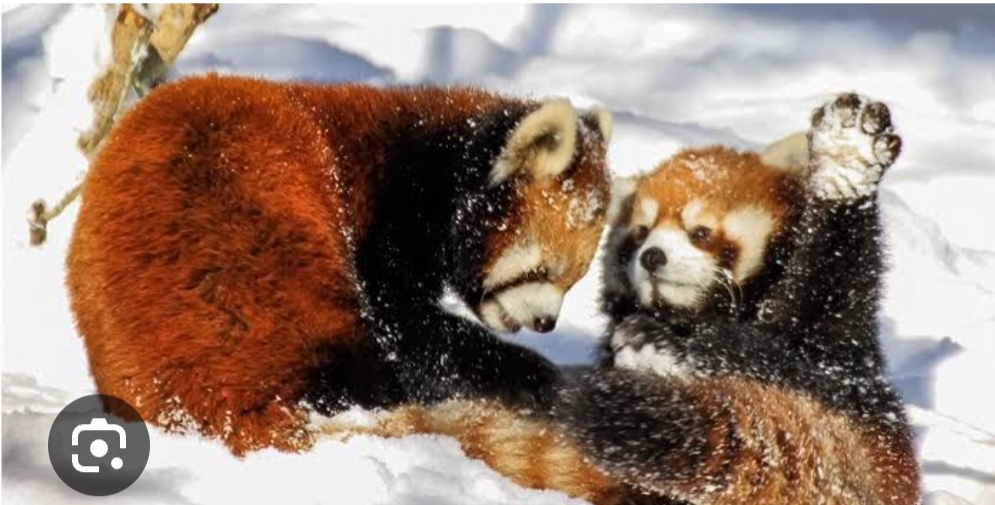
Poaching remains a serious problem for biodiversity in the Eastern Himalayas, especially when it comes to overhunting the endangered tigers (Panthera tigris) and the endangered red panda (Ailurus fulgens) that are poached for fur. The vulnerable greater one-horned rhinoceros (Rhinoceros unicornis) are still hunted for their horns, traditionally used in Chinese medicine, while the vulnerable snow leopard (Panthera uncia) is also sought for its coat.
The Asian Elephant is the largest mammal on the Asian continent. As a very sociable creature, the female counterparts gather in groups of 6-7, and sometimes join other groups for short periods of time, as if to gossip or chat about life. Their varied diets contain grasses, tree bark, roots, leaves and stems, as well as bananas, rice, and sugarcane.
From the last few years the population of mountains is increasing by the policy of economic upgradation and developmental theory while the experts have warned it to be pernicious for ecology. These species have nature for strolling where they are haunted by poachers.
Anthropogenic activities including deforestation fragmentation of habitants, pollution,high population, climate change and poaching of wildlife pose a serious threat to the biodiversity of the region.The fishes that occupy the freshwaters of the Eastern Himalaya Hotspot come from the three major drainage systems: the Ganges, Indus, and Brahmaputra. 30 of the nearly 269 known species of freshwater fish are endemic to the region. Although the fish are largely understudied, 7.2% are classified as threatened, while 5.4% are classified as near threatened narrated by N.N.Pandey, chief scientist of ICAR, Coldwater Fisheries Research Centre Bhimtal, Uttarakhand.











[[comment.comment_text]]