"AICTE Unveils NEP Vision for 'Amrit Kaal'"

 3 years ago
EW Correspondent:
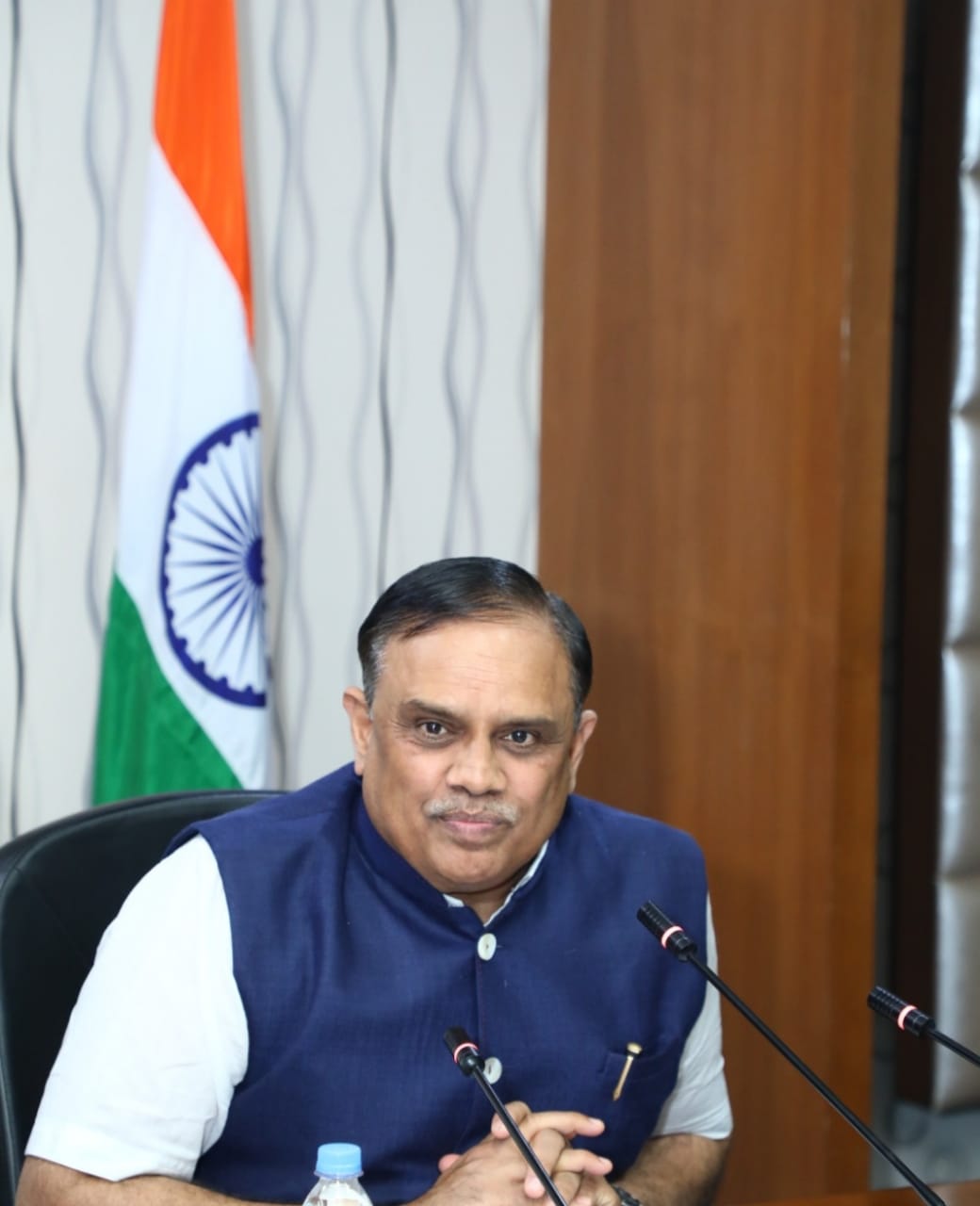
New Delhi, In a dynamic and visionary move towards realizing the dream of "VIKASIT BHARAT by 2047," Professor T.G. Sitharam, Chairman of the All India Council for Technical Education (AICTE), unveiled ambitious plans and action items for the implementation of the National Education Policy (NEP) during the transformative period of Amrit Kaal.
The vision, "VIKASIT BHARAT by 2047," encapsulates India's aspirations to achieve remarkable milestones across all sectors of its economy. Central to this vision is the pursuit of an educated and empowered India, with a holistic transformation of the education system being the focal point during Amrit Kaal.
The NEP 2020, aptly themed 'Enroot, Educate, and Empower,' forms the bedrock of AICTE's strategy to create an education system deeply rooted in Indian ethos. This system is designed to propel India into the ranks of global knowledge superpowers by providing high-quality education accessible to all.
Amidst the Amrit Kaal, AICTE has embarked on several transformative reforms aimed at ensuring high-quality education and nurturing leadership over the next 25 years. These reforms include the introduction of Graded Accreditation (3 tier) and Graded Autonomy, the establishment of a One Nation One Data platform to fortify periodic assessment and accreditation in line with NEP 2020 objectives, and the development of dynamic education that caters to industry demands, fosters self-reliance, nurtures creativity, and promotes originality.
AICTE's Amrit Kaal vision emphasizes imparting 21st-century skills, nurturing critical thinking and problem-solving abilities, building a robust research ecosystem, fostering industry-academia collaboration, and providing comprehensive research support.
The overarching goal is to ensure the seamless implementation of NEP and position India as the knowledge capital of the world. AICTE's vision for Amrit Kaal encompasses delivering world-class education that promotes innovation, start-ups, entrepreneurship, and research-based learning.
This vision also includes education in mother tongues, enhancing youth employability, facilitating faculty and student development programs, promoting internationalization of higher education, reforming examination processes, mandating accreditation and regulation, and nurturing a generation that is confident, progressive, innovative, and empathic.
India's vision for Amrit Kaal goes beyond self-sufficiency and self-reliance; it aspires to proudly become 'Vishwaguru' and 'Vishwadhatha'—a global leader and knowledge disseminator. AICTE's unwavering commitment is to establish India as the epicenter of knowledge, guiding the world through its educational excellence, attracting global talent, fostering cultural exchanges, and contributing to the growth of the knowledge economy.








[[comment.comment_text]]