India's Looming Challenges and the Need for Political Consensus

 1 year, 3 months ago
India is poised to face a decade of significant economic and security vulnerabilities due to a deteriorating global order. There stand several external threats, including a strengthening China-Pakistan revisionist front, with the potential for Bangladesh to join this alliance. Russia's continued dependence on China amidst the Ukraine war and the unpredictable nature of US foreign policy under Donald Trump further diminish India's prospects for reliable international partnerships. Rising Iran-Israel tensions also point to West Asia becoming another major hotspot.
India's path to becoming a global economic powerhouse faces unique hurdles. Unlike other nations that benefited from US support, India is unlikely to receive such advantages, and both the US and China may actively hinder its growth. Reaching a $10 trillion economy, crucial for generating quality jobs and alleviating internal and external pressures, could take a decade or more.
On the security front, while India's defense capabilities are improving, advanced systems like the AMCA stealth aircraft could take 10 years to develop and deploy. This leaves India vulnerable in the short term, especially as China accelerates the rearming of Pakistan with stealth fighters.
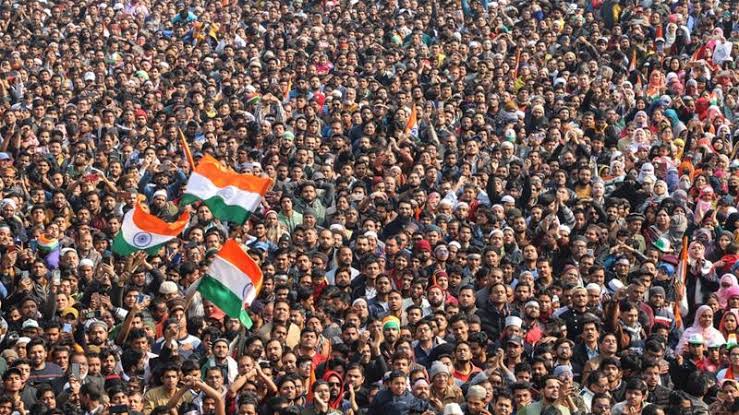
This may be reasonably argued that overcoming these challenges demands sheer political will and greater political consensus within India. Without this, essential reforms needed for economic growth and "atmanirbharta" (self-reliance) in defense will remain stalled. Political parties often prioritize "freebies" for electoral gains over crucial reforms, leading to government and opposition working at cross-purposes. The internal ruptures are often driven by ego clashes and personal animosities, exemplified by the distrust between Prime Minister Narendra Modi and Leader of Opposition Rahul Gandhi, despite their potential to implement similar policies in power.
The responsibility for building consensus lies with the Modi government. While examples exist of successful all-party delegations on foreign policy, issues like the Congress party's discomfort with delegate choices highlight a lack of direct engagement from the Prime Minister. There is urgent need for reforms and deregulation across various sectors, including defense, agriculture, land and labor laws, and the police-legal-judicial system. These non-economic reforms are vital for achieving faster economic growth.
PM Modi possesses ample political capital, but the real question is whether he is using it effectively to foster consensus rather than just to win elections.
India's diplomatic and security challenges require intense political focus, which is often diluted by domestic issues. That requires devolution of more power to states which could free up the Centre to focus on national security and economic strategy.


[[comment.comment_text]]