Uttarakhand's Development Race Endangering Its Biodiversity and Natural Resources

 2 years, 10 months ago
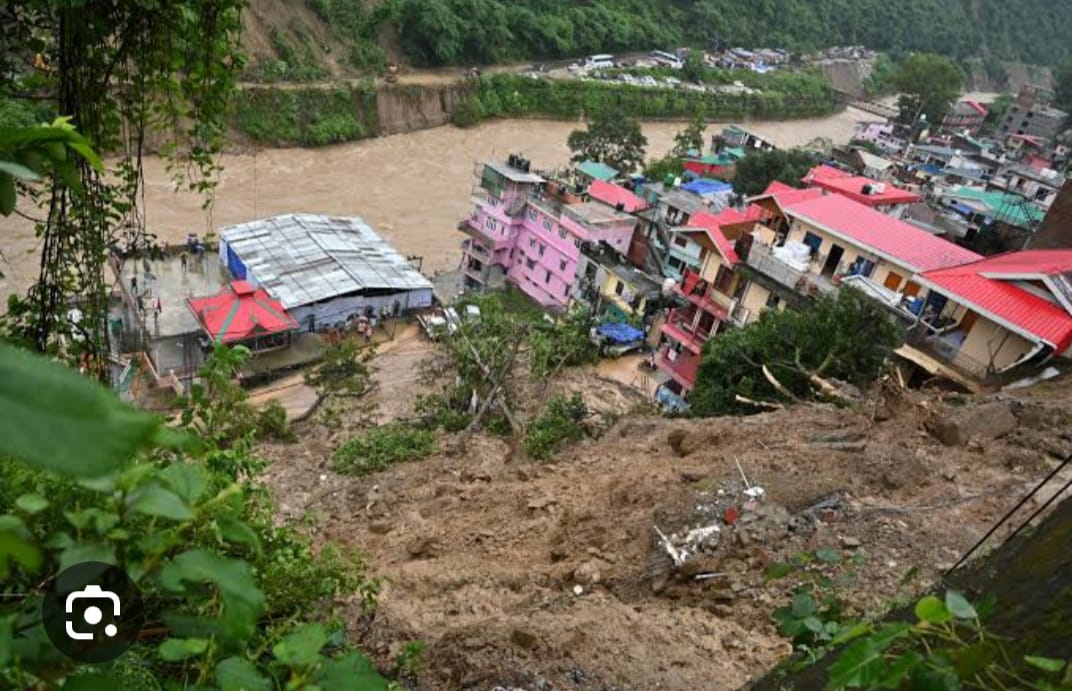
Over the past year, multiple states in India, including Himachal Pradesh, Sikkim, Uttarakhand, and Assam, have faced catastrophic events.
Amit Pandey, Nainital
Since its separation from Uttar Pradesh, Uttarakhand has been recognized as the 7th Himalayan state of India, boasting a rich biodiversity, diverse fauna, and an abundance of rare plant species. However, the state is now at risk of becoming a hub for industrial development, tourism, and the IT sector. This blind pursuit of development has already begun to wreak havoc on the delicate Himalayan terrain, leading to deforestation, illegal mining, poaching, and other destructive practices.
Of particular concern is the fact that Sundarlal Bahuguna, an eminent Indian environmentalist who introduced the Chipko Movement to preserve forests and mountains, hails from this very state. Yet, it remains unclear whether the people of Uttarakhand have truly internalized the lessons he sought to impart.
Over the past year, multiple states in India, including Himachal Pradesh, Sikkim, Uttarakhand, and Assam, have faced catastrophic events. Despite these tragedies, the government has not curbed development projects; on the contrary, it has accelerated them. This relentless pursuit of growth without proper planning has led to what can be described as a man-made catastrophe, driven by the influence of powerful corporate lobbies.
Reports suggest that any form of infrastructural development poses a threat to humanity. Recent studies have revealed that glaciers are melting at an alarming and unpredictable rate. By 2050, it is estimated that more than 80% of glaciers will have disappeared. This presents a formidable challenge to civilization, as we struggle to maintain sustainability in the face of such rapid environmental changes.
While nature has the inherent capacity to meet our demands, the pursuit of luxury and unbridled consumption is insatiable. Just recently, a group of 41 laborers became trapped in the treacherous terrains, highlighting the unpredictability of the young Himalayan mountains. It is impossible to make definitive statements about their behavior, making it imperative for the government to exercise caution and consider the potential consequences of their experiments.
The data and facts clearly illustrate the dire situation Uttarakhand finds itself in. It is high time for stakeholders to reevaluate their priorities and take immediate action to protect the state's unique biodiversity and natural resources. Only through responsible and sustainable development can we hope to preserve the beauty and integrity of this fragile region for future generations.
************











[[comment.comment_text]]