Sindhu Speaks of Unity and Legacy

 1 year, 3 months ago
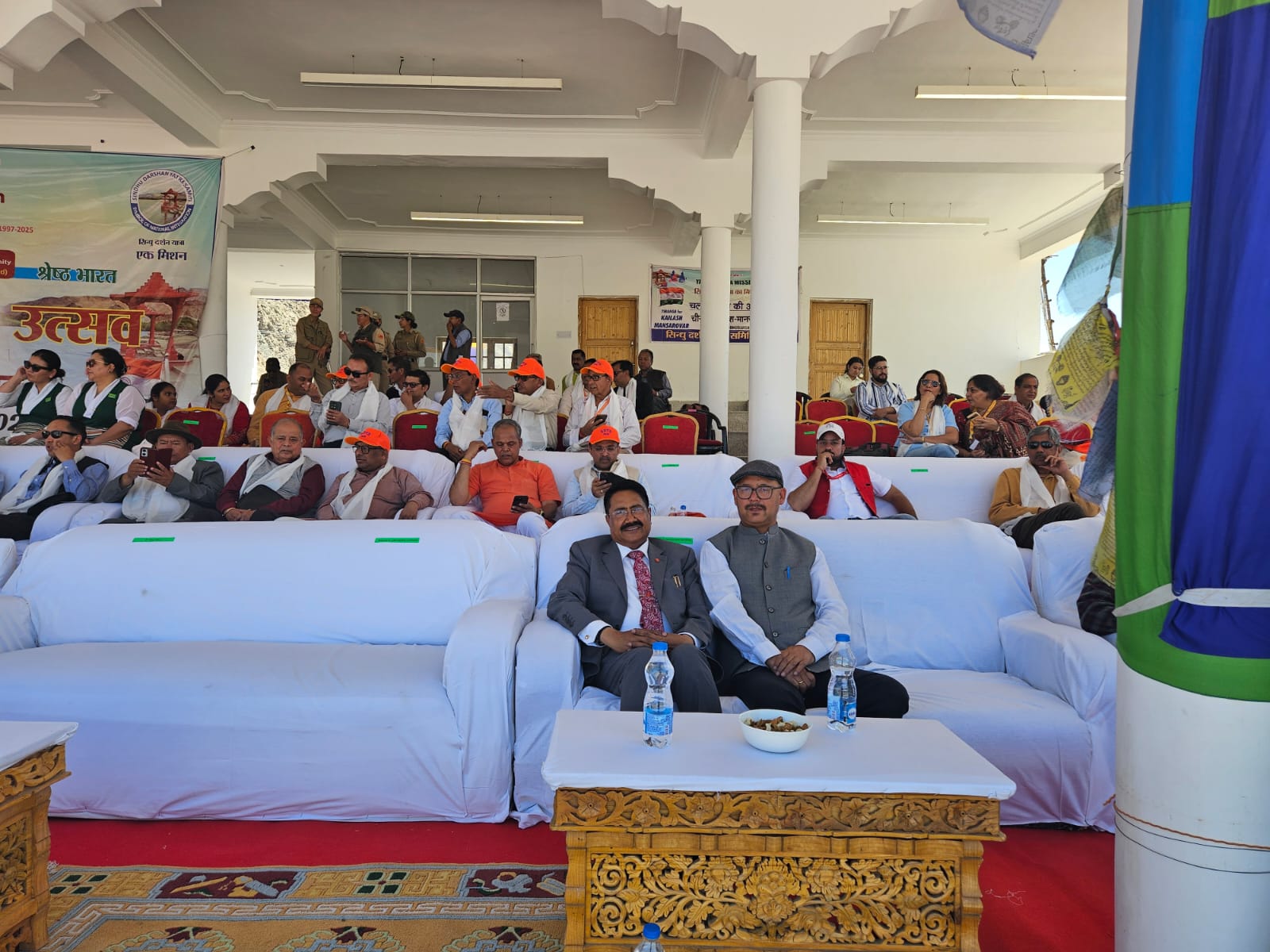
Leh, Ladakh: The serene banks of the Indus River in Shey Manla echoed with cultural melodies and patriotic fervor as the Sindhu Darshan Yatra 2025 commenced its four-day celebration. The festival, which honors the sacred Sindhu (Indus) River and promotes India’s rich cultural unity, saw a distinguished presence this year with Prof. Saket Kushwaha, Vice Chancellor of Ladakh University, addressing the gathering as an eminent guest.
In his inspiring speech, Prof. Kuswaha emphasized the timeless role of rivers in shaping civilizations and uniting cultures. "Rivers are the lifeline of humanity—they have birthed some of the world’s greatest civilizations," he said. Drawing parallels between historical and contemporary times, he described rivers as "sacred connectors of human culture," whose invaluable contributions have made nations flourish.
Highlighting Sindhu’s inclusive and cultural relevance, Prof. Kuswaha remarked, "Today, the Sindhu stands as one of the most unifying rivers of India, just like the Ganga. It carries with it not only water but centuries of civilizational essence and cultural harmony." He encouraged the younger generation to reconnect with natural heritage and value rivers not just as geographical entities but as cultural sentinels.
The yatra, organized with the support of the Ministry of Culture and the Sindhu Darshan Yatra Samiti, featured colorful performances, devotional ceremonies, and all-India participation. Cultural troupes offered music, dance, and rituals representing India’s "unity in diversity," while devotees from across the country carried water from their native rivers to pour into the Sindhu—a gesture symbolizing national integration.
In a major announcement, senior social leader Indresh Kumar declared that from next year onwards, Sindhu Darshan would be celebrated as the “Sindhu Kumbh Mahotsav”, indicating its elevation to the scale of a grand spiritual and cultural confluence.
Set against the majestic backdrop of the Himalayas, the celebrations combined spiritual devotion, artistic splendor, and patriotic pride. The natural beauty of Ladakh and the presence of Indian soldiers stationed in high-altitude terrains added an emotional resonance to the experience.
The festival continues through June 27 and is expected to draw thousands of pilgrims, cultural ambassadors, and spiritual seekers from across India.









[[comment.comment_text]]