Nehru’s Legacy: A Global Inspiration

 1 year, 11 months ago
Amit Pandey, New Delhi
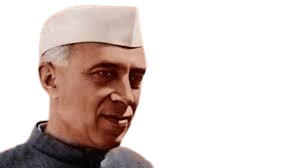
On the occasion of the 145th birth anniversary of Jawaharlal Nehru, leaders from various political parties came together to pay heartfelt tributes to India’s first Prime Minister. Nehru, fondly remembered as "Chacha Nehru," played a monumental role in India’s independence movement and is widely regarded as the architect of modern India. His legacy, deeply embedded in India’s democratic and secular fabric, continues to inspire both India and the world. Leaders across the spectrum highlighted Nehru’s vision, emphasizing how his ideals of democracy, secularism, and progressive values remain relevant today.
Prime Minister Narendra Modi joined the nation in honouring Nehru's memory, acknowledging his foundational role in shaping India’s democracy. In a message shared on X, Modi noted Nehru's contributions towards building a united India that aimed for progress across social, economic, and scientific domains. Modi’s tribute underscored Nehru’s farsighted vision, which laid the groundwork for India’s journey towards modernization and self-reliance, guiding the nation even in contemporary times.
Rahul Gandhi, Nehru’s great-grandson and a prominent leader of the Congress Party, paid a deeply personal homage. Referring to Nehru as the “Jawahar of India,” Gandhi celebrated Nehru’s democratic, progressive, and inclusive values, emphasizing that they form the backbone of India’s ideals. Rahul Gandhi’s message portrayed Nehru not only as a political leader but as a visionary whose principles of unity, courage, and inclusivity continue to resonate with generations of Indians. Congress President Mallikarjun Kharge also honoured Nehru’s memory, sharing an excerpt from The Discovery of India, a book that reveals Nehru's deep understanding and love for India’s diverse heritage. Kharge highlighted Nehru’s dedication to the nation and acknowledged his role as a fearless protector of democracy, saying Nehru’s impact on India’s growth in scientific, economic, and industrial fields was unparalleled.
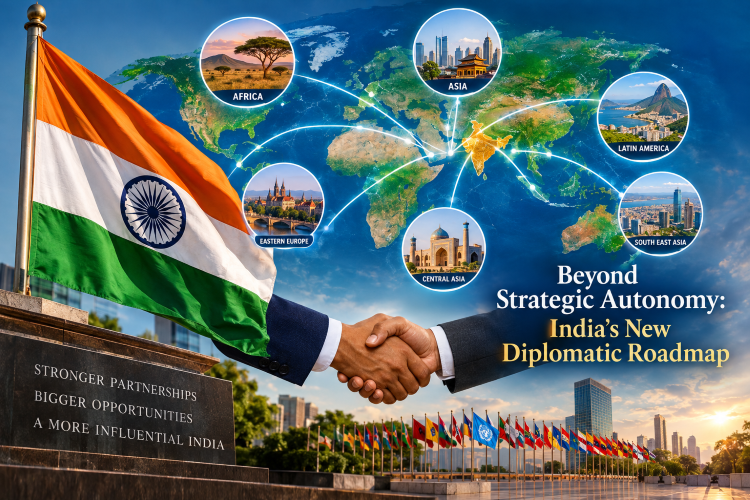
Beyond India’s borders, Nehru’s legacy holds a special place on the world stage. A founding member of the Non-Aligned Movement, Nehru championed the voices of newly independent nations amid the Cold War’s polarising pressures. He envisioned a world where countries could pursue self-determination, free from colonial and imperialistic influence, and India’s stance in international affairs remains influenced by his commitment to peace and neutrality. Nehru’s emphasis on decolonisation and his leadership among post-colonial states advocating for equality and mutual respect established him as a significant voice for global justice. His ideals continue to resonate with nations striving for self-governance and sustainable development, and his legacy is celebrated worldwide as an advocate for human rights and international cooperation.
Nehru’s policies laid the foundation for India’s economic and industrial development, steering the nation towards modernization while maintaining its cultural identity. His leadership in fostering scientific temper, promoting secularism, and building educational institutions like the Indian Institutes of Technology (IITs) laid a framework that has propelled India towards becoming a global force. Leaders’ tributes on this anniversary are a reminder of how Nehru’s ideas and vision continue to guide India’s journey as a democratic and progressive nation, as well as its efforts in fostering international peace and cooperation.
As India commemorates Nehru’s birth anniversary, the collective respect from leaders across party lines reflects the profound and lasting influence of his legacy. Nehru’s ideals of democracy, inclusivity, and unity serve as a beacon not only for India but for the world




[[comment.comment_text]]