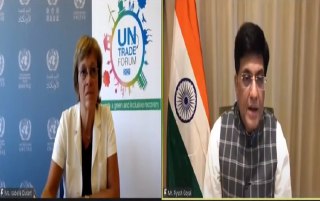
India’s per-capita carbon dioxide emission is lowest amongst big economies: Piyush Goyal
EW•NN
5 years, 4 months ago
Union Minister Piyush Goyal has said that India’s per-capita carbon dioxide emission is the lowest amongst big economies. He said the ambitious renewable energy target of 450 Gigawatts by 2030 shows India’s commitment towards the United Nations 2030 Agenda on Sustainable Development and the Sustainable Development Goals. Speaking at the UN Trade Forum 2021, he said that Climate justice should be protected and developed countries should reconsider their pattern of consumption and focus on sustainable lifestyles. The Minister said India has taken many bold steps on clean energy, energy efficiency, afforestation and bio-diversity. India has also encouraged global initiatives like International Solar Alliance and the Coalition for Disaster Resilient Infrastructure. Mr Goyal called for decoupling the Trade policy and Green goals. He said that trade policy should look for more inclusive growth all over the world. He said that a clean environment and inclusive development which is sustainable, is a priority agenda for India. The Minister said that India’s long-standing position has been that measures related to environment and sustainability should not be linked to trade.
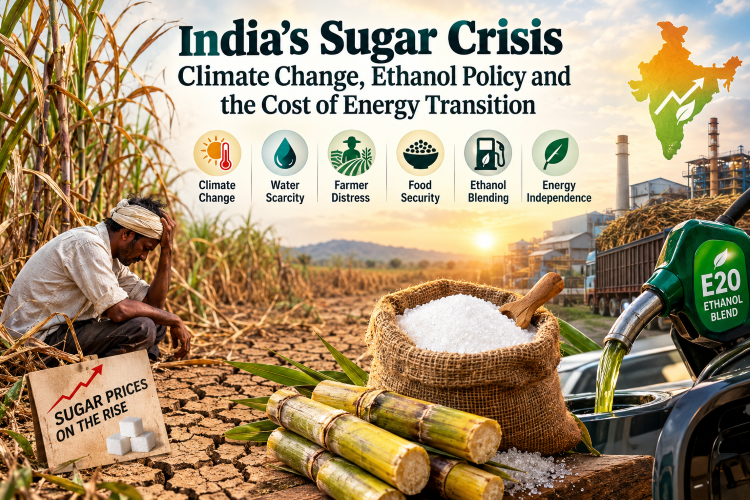
India’s sugar crisis highlights the impact of climate change, water scarcity and rising prices on farmers, food security, ethanol blending and energy independence.
Child labour in Indian households often remains hidden from public scrutiny. Explore the legal framework, child protection challenges, education rights and solutions to domestic child labour.
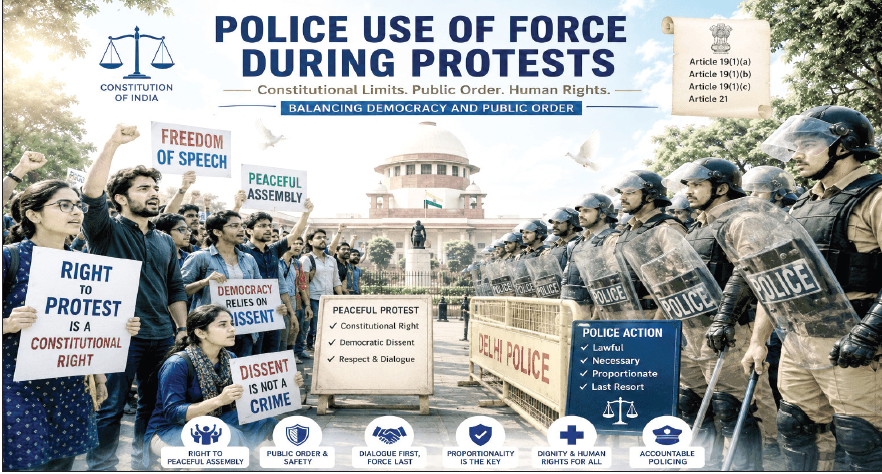
On October 11, that arrangement ended with a standing order from the Delhi Police Commissioner, who denotified the site and pointed protesters towards Ramlila Maidan, Burari Ground and CBD Ground
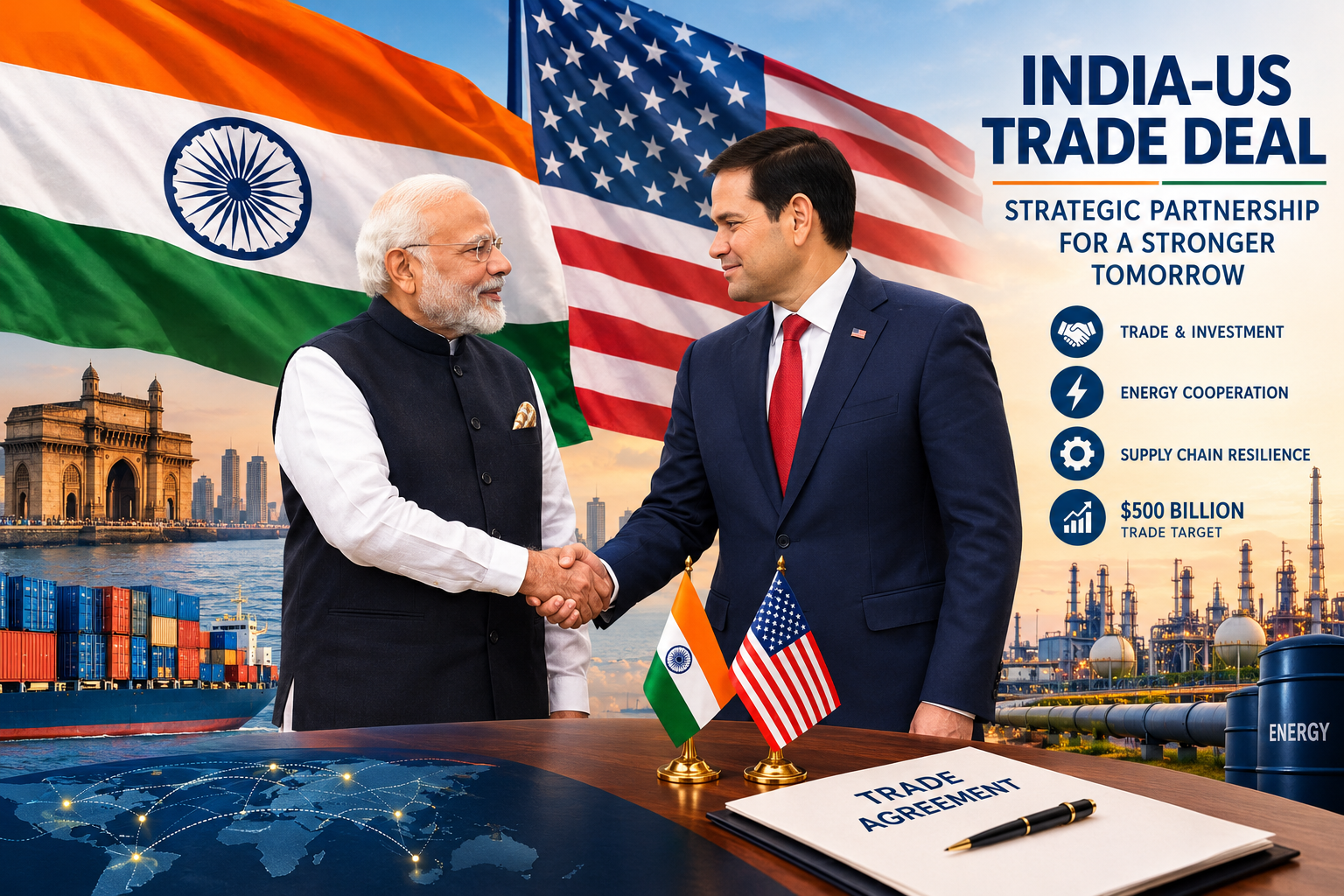
India and the US move closer to a landmark trade deal as Marco Rubio’s planned visit to Mumbai and Jamnagar highlights energy cooperation and economic ties.
Rahul Gandhi and INDIA bloc leaders challenge the Election Commission’s SIR exercise, seek judicial intervention and launch a movement to reclaim Jantar Mantar for democratic protests.
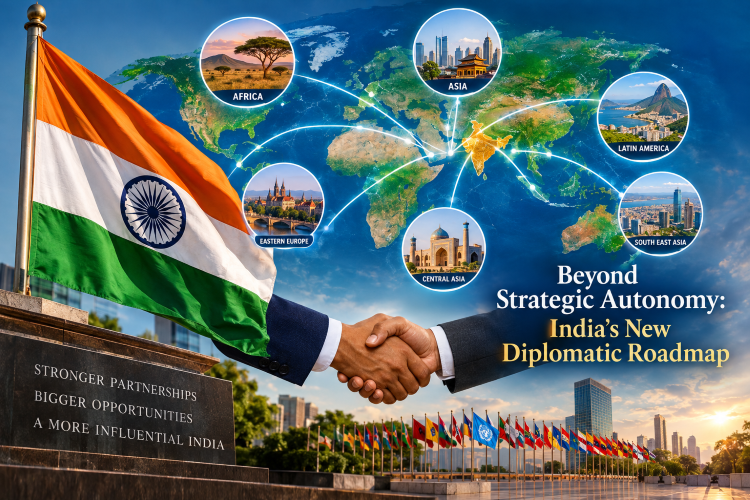
India must rethink strategic autonomy, deepen ties with emerging regions, expand global partnerships and strengthen domestic unity to enhance its diplomatic influence.

 5 years, 4 months ago







[[comment.comment_text]]