India’s Wildlife Management Challenges in the aftermath of Celebrating International Tiger

 2 months, 3 weeks ago
(Note: This article is a tribute to Mr Vinod Rishi one of thefinest IFS Officer and incredible wildlife professional of post independent era who left for his heavenly abode on 29th July 2026. He left an indelible mark not only in the wildlife history of India but how the new foresters are to be moulded as best habitat managers as only excellent forest habitat managers can be an outstanding wild life manger.)
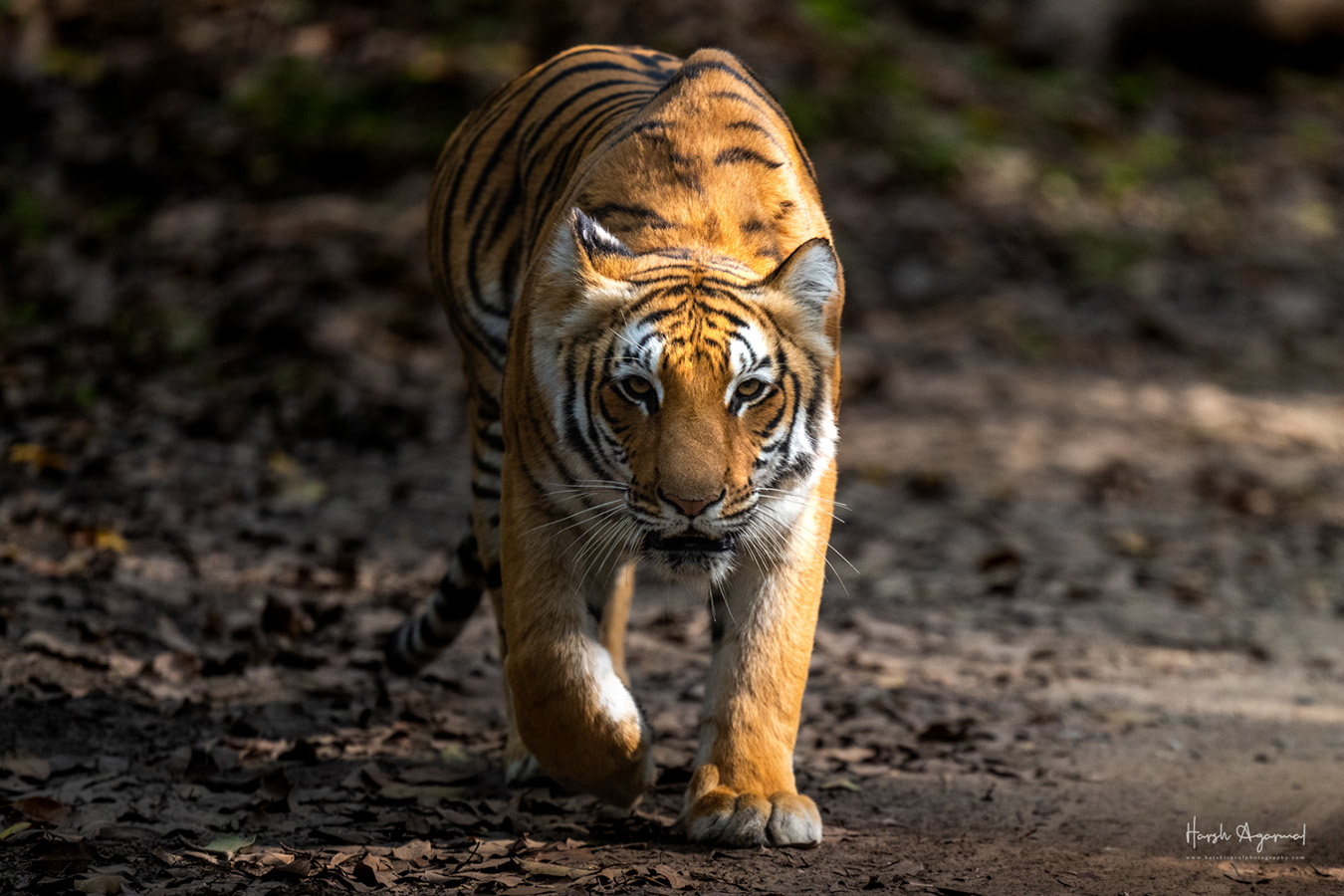
Every year, International Tiger Day (also known as Global Tiger Day) is celebrated worldwide on July 29. It was established in 2010 following the historic St. Petersburg Declaration in Russia, where the 13 tiger-range countries committed themselves to an ambitious goal: doubling the global wild tiger population by 2022. For India, International Tiger Day is not merely a symbolic event on the environmental calendar; it is a celebration of one of the most successful wildlife conservation stories in modern history. As home to nearly 70% of the world's wild tigers, India continues to set an example in the management and scientific conservation of this "big cat."
Celebrating Tigers conservation in India
During International Tiger Day celebrations, the Ministry of Environment, Forest and Climate Change along with National Tiger Conservation Authority (NTCA) release status updates, awareness initiatives, and conservation strategies. Across India, schools, national parks, and non-governmental organizations organize workshops, youth conferences, and awareness rallies to educate local communities about the ecological importance of tigers as apex predators.
India's Success in Tiger Conservation
According to the latest All India Tiger Estimation, India's wild tiger population is estimated at an average of 3,682 (ranging between 3,167 and 3,925). Beginning with just nine protected areas under Project Tiger in 1973, India now manages a network of 58 tiger reserves spread across 18 states, covering more than 84,500 square kilometres. India is home to approximately 70% of the world's estimated adult wild tiger population. In this moment country must be thankful to the wisdom of Mr Kailash Sankhla legendary foresters and conservationist from Rajasthan who changed the mindset of Indian rich class who proclaimed false bravery after killing the tigers from cowardice safe distance. Mr Sankhla ultimately launched the Project Tiger in 1972 with the support of then Prime Minister Indira Gandhi and rest is history.
Emerging Challenges in Tiger Conservation
Although the increase in tiger numbers is a major achievement, India's rapidly growing population and economic development have also created complex ecological challenges. More than 40% of tigers live outside the network of protected areas such as national parks and wildlife sanctuaries. We must tackle the following management challenges:
i) Habitat Loss and Fragmentation: The greatest long-term threat to India's tiger population is the loss of natural habitat and the fragmentation of wildlife corridors. Highways, railway lines, mining, and hydroelectric projects cut through key tiger habitats. When corridors connecting major landscapes (such as the Central Indian Landscape or the Western Ghats) are disrupted, tigers become isolated in "island-like" reserves.
ii) Increasing Human-Tiger Conflict: When tiger populations in core reserves exceed the carrying capacity of the habitat, young and older tigers are forced into buffer zones and human-dominated agricultural landscapes. Farmers move toward buffer areas due to crop damage caused by prey species, while tigers that prey on livestock or venture near villages often face retaliatory killings, leading to livestock losses and human fatalities.
ii) Population beyond Ecological Carrying Capacity: Major reserves such as Corbett (currently home to about 560 tigers), Ranthambore (88), Tadoba (115), and Bandipur (191) far exceed their park's carrying capacity and thus face severe space constraints. Adult tigers require large territories for hunting (ranging from 20 to over 100 square kilometres depending on prey availability). Overcrowding in core habitats leads to territorial conflicts, infanticide, and dispersal into unprotected forests.
iii) Genetic Isolation and Inbreeding: Smaller reserves (such as Sariska or other isolated forest blocks) are vulnerable to genetic bottlenecks. Without connected corridors that facilitate genetic exchange between populations, inbreeding depression may reduce reproductive success and disease resistance.
iv) Threat of Climate Change: Low-lying ecosystems such as the Sunderban mangroves face serious threats from rising sea levels, increasing salinity, and frequent severe cyclones, all of which directly destroy tiger habitats and alter prey availability.
Solutions and the Way Forward:
Addressing these challenges requires moving beyond the traditional "fencing for protection" approach toward landscape-level, technology-driven, and community-centredconservation. The following priorities deserve attention:
i) Address habitat fragmentation caused by roads and railways by making underpasses, eco-bridges, and canopy crossings mandatory components in the planning and assessment of infrastructure projects.
ii) Develop a robust coexistence policy to reduce human-wildlife conflict. Install automated camera traps and real-time alert systems near village boundaries to monitor tiger movement and provide immediate warnings to communities through SMS alerts or sirens. This should be supported by early warning systems, quick response teams equipped with fast vehicles and modern equipment, strong protective fencing around vulnerable villages, and, most importantly, an effective compensation mechanism. Village heads, government officials, and local residents should also receive training to prevent wildlife attacks.
iii) Prevent genetic isolation by ensuring that as many wildlife corridors as possible are established and maintained, while also facilitating the translocation of tiger populations between protected area networks.
iv) One of the most critical issues remains is poaching and illegal wildlife trafficking. The M-STrIPES (Monitoring System for Tigers – Intensive Protection and Ecological Status), a spatial monitoring tool based on mobile GPS and GIS analytics, is an excellent initiative but should be expanded uniformly to outside protected areas as well.
v) promoting ecotourism, is an urgent necessity. Conservation cannot succeed without the cooperation of forest-dependent communities. A portion of tourism revenue generated from tiger reserves should be directly invested in Eco-Development Committees (EDCs), village development, alternative energy sources (biogas and solar power), and ecotourism-related livelihoods.
vi) In many areas, villagers still need to be encouraged to relocate voluntarily. Families who willingly move out of the core areas of tiger reserves should receive fair financial compensation and packages that include productive agricultural land. This creates secure habitats while simultaneously improving their living standards.
vii) Finally, and most importantly, to reduce the pressure of excess tiger populations in high-density reserves, the process of scientifically relocating tigers to low-density or regenerating forests (such as Palamu) should be accelerated, alongside improvements in habitat quality and prey availability.
Celebration of International Tiger Day once again highlights the contributions of India's distinguished forest service professionals, whose achievements are recognized across the world. However, the future of tiger conservation depends on maintaining ecological corridors and promoting peaceful coexistence between humans and tigers. By balancing economic aspirations with green infrastructure, India can ensure that its national animal continues to roar in its natural habitats for generations to come.
(The author is the former Director General of ICFRE and Chancellor under the Ministry of Environment, Forest and Climate Change, and Chairman of the Centre for Resource Management and Environment —CRE).











[[comment.comment_text]]