Implementation of CAA in India!

 2 years, 7 months ago
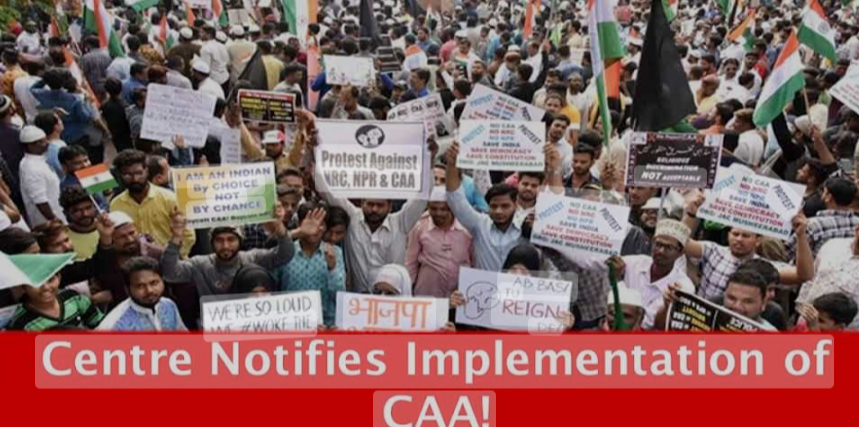
As the clock strikes midnight, India stands on the cusp of a significant legislative shift with the implementation of the Citizenship Amendment Act (CAA). Passed by the Parliament in 2019, the act has been a subject of intense debate and widespread protests across the nation. Today, it moves from the echelons of parliamentary papers to the reality of the Indian populace.
The CAA aims to expedite the citizenship process for six religious minorities who have fled to India due to religious persecution in their home countries. This act is not just a document; it's a beacon of hope for many who have sought refuge under the vast sky of the Indian subcontinent. However, it also raises questions about the secular fabric of the nation and the implications for the existing societal structure.
The government's decision to implement the CAA now, ahead of the Lok Sabha election, is a strategic move that has reignited discussions on national identity, citizenship, and human rights. Critics argue that the act discriminates based on religion, undermining the secular principles enshrined in the Constitution. Supporters, however, see it as a fulfilment of a historical assurance given to those minorities at the time of partition.
The CAA's journey has been tumultuous, marked by fervent opposition and passionate support. Protests in Shaheen Bagh and other parts of the country became symbols of resistance, while political rallies showcased the act as a promise kept. The COVID-19 pandemic may have dampened the streets' cries, but the ideological battle continued to simmer beneath the surface.
Now, as the act takes effect, the government has a colossal task ahead. It must ensure that the CAA's implementation is smooth, transparent, and sensitive to the concerns of all communities. The administration must walk the tightrope between granting citizenship to the persecuted and preserving the nation's secular ethos.
The CAA's implementation is not just about the letter of the law; it's about the spirit of India. It's about how the nation views itself and its place in the world. It's a test of India's commitment to humanitarian values while safeguarding its own cultural and social fabric.
As India navigates through these complex waters, the world watches. Will the CAA be a testament to India's compassion and respect for human rights, or will it be a point of contention that divides the nation further? Only time will tell.
But tonight, as the CAA becomes a reality, India embarks on a path that will undoubtedly shape its future and the lives of millions. It's a new dawn, one that brings with it light for some and shadows for others. The nation must strive to ensure that this dawn leads to a day that is just and equitable for all. It's a narrative that intertwines hope, apprehension, and the quest for a harmonious future.









[[comment.comment_text]]