Finance Minister Sitharaman Criticizes Congress Over Inflation

 2 years, 8 months ago
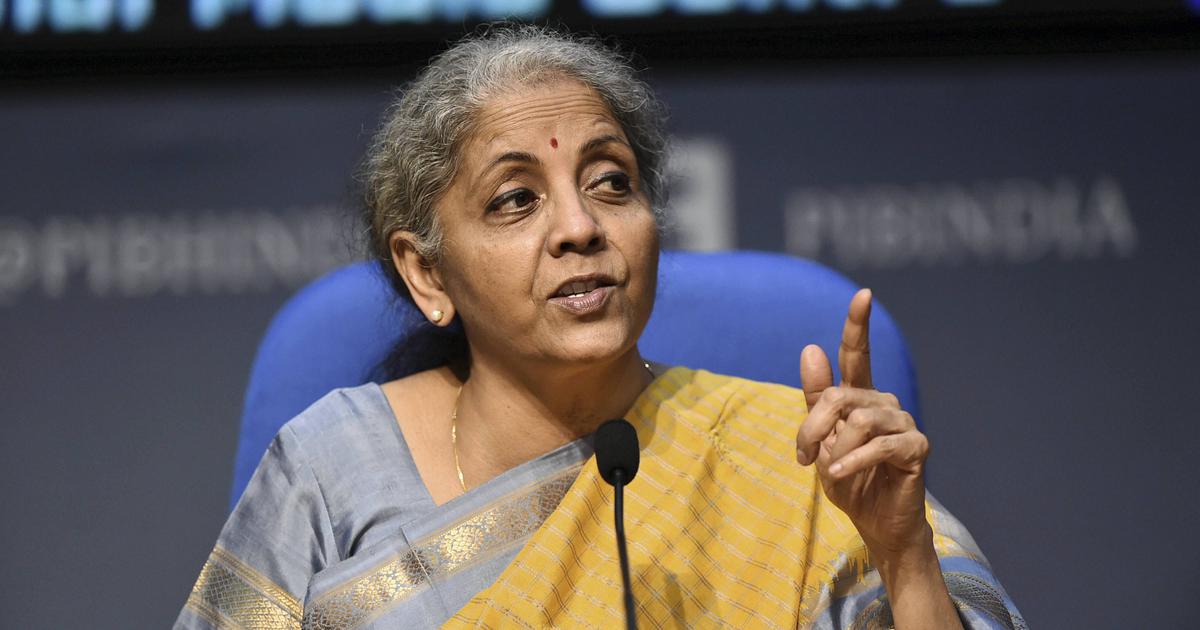
New Delhi, EW News: Finance Minister Nirmala Sitharaman launched a scathing attack on the Congress party, attributing high inflation and project delays to the UPA government's tenure. In a sharp rebuttal during a short-duration discussion in the Rajya Sabha on the White Paper on the Indian Economy, Sitharaman accused the UPA of mismanagement, ill-targeted subsidies, and wasteful expenditures for political mileage.
Highlighting the economic challenges faced during the UPA regime, Sitharaman emphasized that inflation soared to alarming levels, burdening the poor with economic hardship. "Average inflation under UPA (2004-14) was 8.2%, with double-digit inflation occurring nine times from January 2012 to April 2014," she remarked, citing data to underscore her point.
In a caustic comment, Sitharaman quipped, "Gur ko gobar karna inke mastery hai," implying the UPA's expertise in squandering resources.
The Finance Minister also criticized the UPA's neglect of development projects in the North East, contrasting it with the Modi government's proactive approach towards accelerating national development and timely implementation of schemes to ensure maximum benefits for citizens.
Sitharaman lauded the Modi government's efforts to curb inflation, citing measures such as strengthening buffer stocks and conducting open market operations to ensure the availability of essential food items.
Earlier, Sitharaman had presented the White Paper on Indian Economy in both Houses of Parliament, which highlights the UPA government's alleged failure to capitalize on a healthy economy inherited from previous administrations. The paper outlines double-digit inflation, banking sector struggles, and various 'scams' during the UPA tenure, accusing it of undermining macroeconomic stability.
However, Congress members questioned the timing of the white paper and defended the UPA government's initiatives, listing out several developmental measures undertaken between 2004 and 2014.
As political debates intensify over economic performance, Sitharaman's critique underscores the contrasting narratives surrounding India's economic trajectory during different political regimes.
Amidst heated exchanges in Parliament, Sitharaman's indictment of the Congress over economic mismanagement underscores the enduring political fault lines surrounding India's economic narrative. As both sides trade accusations and defend their respective legacies, the discourse reflects broader ideological clashes shaping the nation's economic policies and priorities.




[[comment.comment_text]]