Farmers' Protests Reignite Amidst Government-Centered Debates

 2 years, 8 months ago
Ram Vikash
In recent years, the Narendra Modi-led Bharatiya Janata Party (BJP) government has solidified its position as a dominant political force in India, with Prime Minister Narendra Modi at the helm. As the current parliamentary session unfolds, opposition parties, including the Indian National Congress, have devised various strategies to challenge the BJP's authority. However, the Modi administration's articulate rebuttals have effectively neutralized each opposition move, leaving them with little leverage. In the backdrop of pervasive issues like inflation, poverty, and unemployment, which continue to afflict the nation, the opposition has once again turned to amplifying farmer protests as a means to undermine the government's credibility.
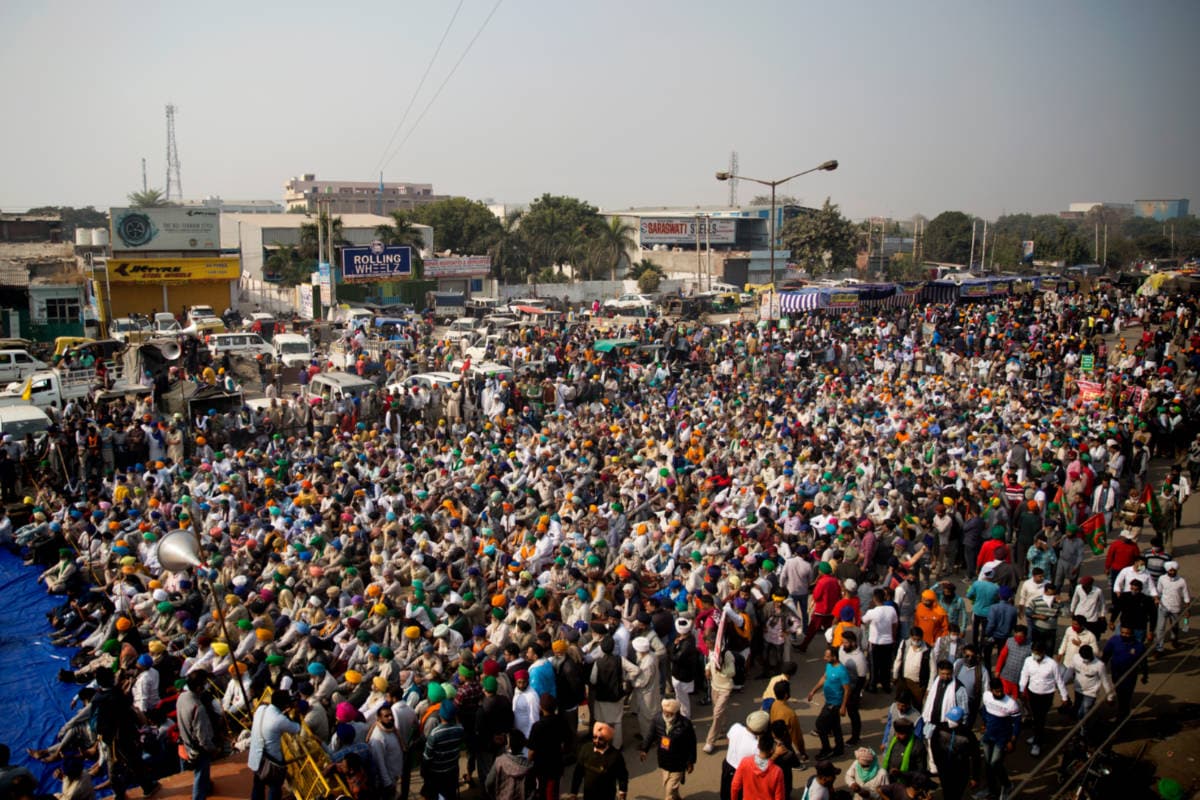
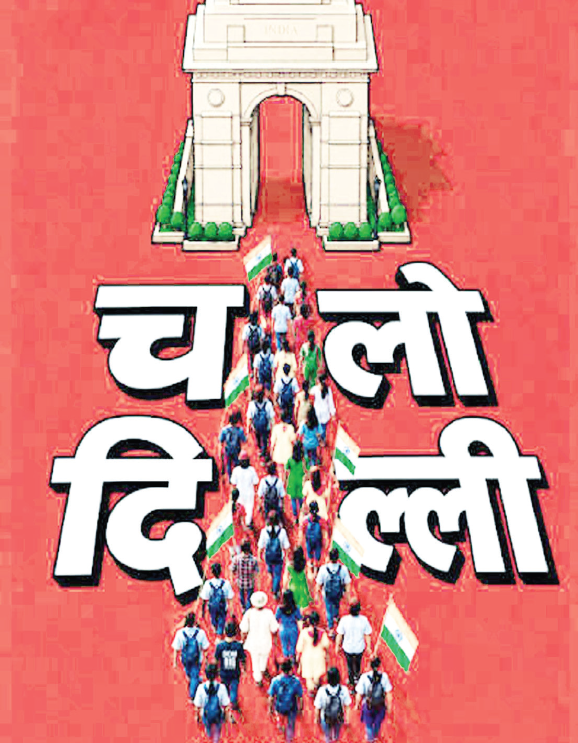
In recent days, farmer protests have resurged, with opposition factions rallying under the banner of the agrarian movement. Their collective objective appears to be the disruption of national tranquility at any cost, aiming to portray the Modi government as anti-farmer and indifferent to the plight of the agricultural community.
Reflecting on India's post-independence history, it's evident that agrarian challenges have persistently plagued the nation. While contemporary farmers may have liberated themselves from the shackles of traditional debt traps, the systemic issues affecting them persist despite concerted efforts by successive central and state governments. Even with the prospect of receiving concessions, there remains a substantial segment of farmers whose grievances seem insurmountable.
The current demands put forth by farmer organizations encompass a spectrum of issues. They are calling for the forgiveness of agricultural loans and the waiver of all debts, both governmental and non-governmental, for all farmers. They advocate for exemptions from pollution regulations and seek the implementation of a pension scheme for farmers above the age of 58, with a monthly pension of 10,000 rupees. Additionally, they demand the dismissal of cases filed against farmers during the 2021-22 protests, compensation for families of deceased farmers, and employment opportunities for affected family members. Moreover, they insist on the implementation of recommendations outlined by the Swaminathan Commission and the enactment of laws ensuring minimum support prices for all crops.
A closer examination reveals that some of these demands may transcend the capabilities of any government to fulfill entirely. Even if the leaders of these farmer organizations were to assume positions of power, many of these demands would likely remain unmet. While certain demands may hold merit and have garnered partial agreement from the government, the unwavering insistence on comprehensive fulfillment hints at underlying political motives. The steadfast pursuit of these demands seems geared towards branding the Modi government as anti-farmer, ;''jjjjto leverage the ensuing discontent for electoral gains in the upcoming Lok Sabha elections.
This article endeavors to elucidate the intricate dynamics underlying the ongoing farmer protests. Shedding light on the multifaceted nature of their demands and the political undercurrents steering the discourse. It underscores the need for a nuanced understanding of the complex issues to play and emphasizes the importance of constructive dialogue and collaborative problem-solving in addressing the challenges confronting India's agricultural sector.








[[comment.comment_text]]