Cleaning Up Voter Rolls at the Eleventh Hour

 1 year, 3 months ago
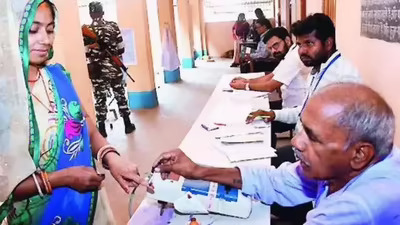
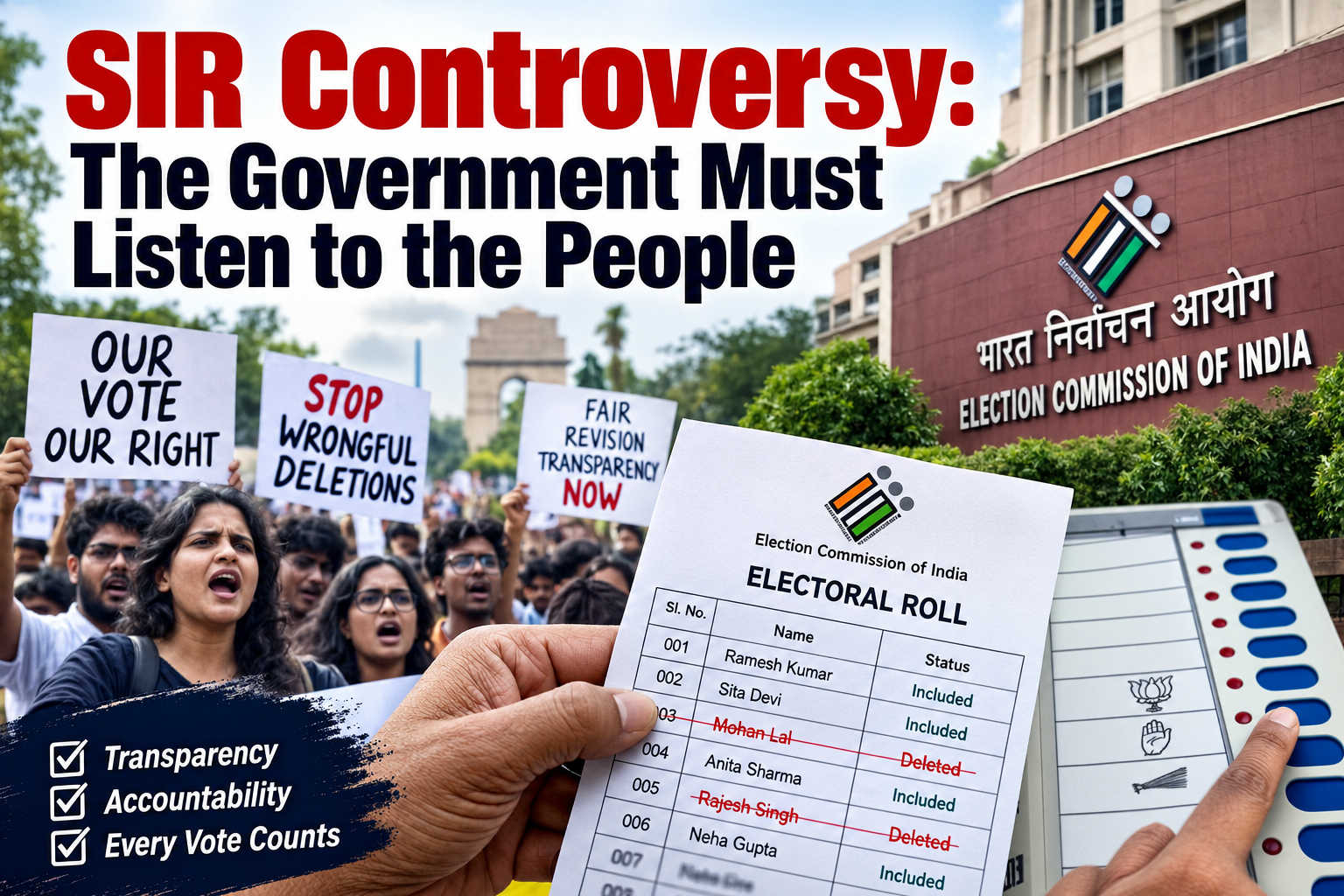
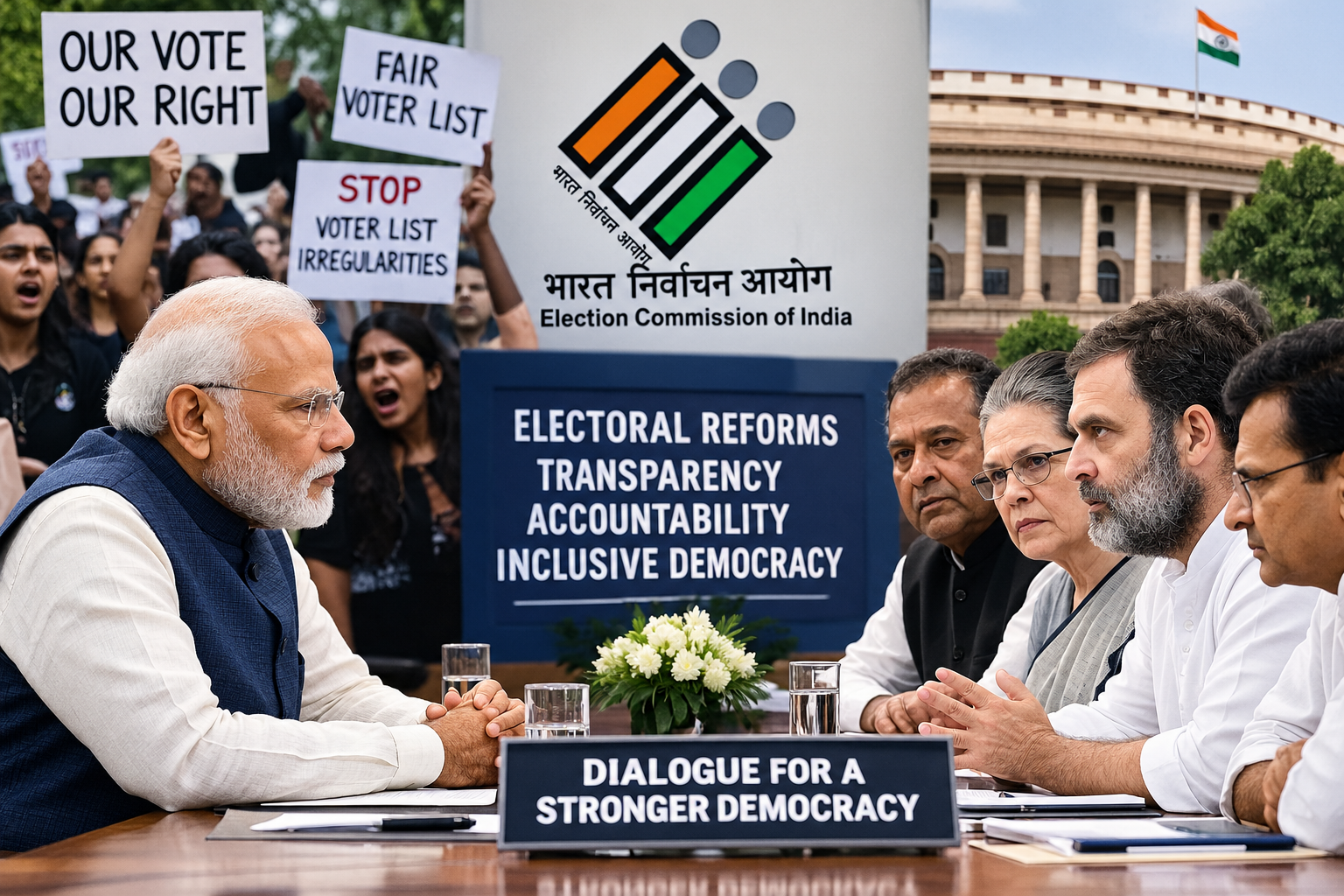
The sanctity of the electoral roll is not merely a procedural requirement; it is the very foundation on which India’s democratic legitimacy rests. Free and fair elections cannot be imagined without an accurate voter list. In that context, the Election Commission of India’s (ECI) decision to conduct a Special Intensive Revision (SIR) of the electoral roll, starting with Bihar, deserves to be recognized as an essential—though overdue—effort to restore public confidence in the electoral process.
This initiative comes at a moment when questions around the ECI’s credibility have become louder, often in the backdrop of high-stakes elections and allegations of bias. That the Commission has chosen to launch a nationwide verification drive underscores a tacit admission: the existing voter lists are not as reliable as they ought to be. A democracy as vast and complex as India’s, with nearly a billion eligible voters, faces enormous challenges in maintaining up-to-date and accurate records. But acknowledging these difficulties is not enough. Concrete steps to address them are necessary—and this revision could be the first such step in years to match the scale of the problem.
The reasons cited by the ECI for this exercise reflect the multiple ways in which electoral rolls can decay. Rapid urbanisation and migration mean that millions of people shift their residences every year, while outdated processes struggle to keep up. Young citizens become eligible to vote each election cycle, but their enrolment is often patchy and incomplete. Deaths frequently go unreported, leaving names of deceased individuals active in the rolls, and opening the door to impersonation or fraudulent voting. Most concerning, however, is the fear that the names of foreign illegal immigrants have been added—whether inadvertently or with political collusion—to voter lists in some regions.
This is not just a technical concern. When the rolls are compromised, every election becomes suspect. Outcomes are questioned, losing candidates allege rigging, and the legitimacy of the entire process comes under a cloud. In such a climate, public trust—already frayed by polarization and suspicion—erodes further. A democracy cannot function effectively if its citizens no longer believe that the vote is sacrosanct.
In Bihar, where polls are due later this year, the stakes are particularly high. The state’s history of migration, high population density, and socio-economic complexity means the accuracy of the voter list is especially vulnerable. The ECI’s decision to require individuals whose names were not in the 2003 rolls to produce self-attested declarations of Indian citizenship, supported by birth documentation, will no doubt be controversial. Critics will argue that this creates an unnecessary burden for genuine voters and risks disenfranchising the poor, the illiterate, and those lacking documents. These concerns are not trivial.
However, it is equally true that a lax approach to verification has its own consequences. When ineligible names remain on the rolls or fake voters are allowed to vote, the rights of genuine citizens are diluted. The challenge before the ECI is to strike the delicate balance between tightening safeguards and ensuring that no eligible voter is excluded. To that end, clear public communication is critical. Voters must know what is required of them, how to comply, and how to appeal in case of errors. Sufficient timeframes must be provided so no one is denied the chance to establish their legitimacy.
In the longer term, the larger question is why India, despite being a global technology powerhouse, still struggles to maintain accurate electoral records. The answer partly lies in fragmented databases and siloed institutions. Integrating birth and death registries with electoral databases, linking with Aadhaar (while protecting privacy), and adopting dynamic updating systems can make the rolls more responsive and accurate. But this will require sustained political commitment and investment in institutional capacity, not just periodic drives launched in response to controversies.
There is also a moral dimension to this conversation. A democracy gains its strength from the idea that every eligible citizen’s voice counts equally. When people believe that their vote is cancelled out by fraudulent or illegal votes, cynicism takes root. Citizens begin to disengage, convinced that their participation is futile. Rebuilding trust requires more than technical fixes; it demands a visible commitment to fairness and transparency.
Seen in this light, the Special Intensive Revision is more than just an administrative exercise. It is an opportunity for the ECI to demonstrate that it remains an impartial, robust institution committed to upholding democratic principles in letter and spirit. If carried out with sensitivity, efficiency, and integrity, this effort can help reclaim public faith not just in voter rolls but in the entire electoral process.
In the end, democracy is only as strong as the systems that sustain it. Accurate electoral rolls are one of those systems—and perhaps the most fundamental. The ECI has set itself an ambitious target. All of us—citizens, civil society, political parties—have a stake in ensuring that it succeeds.
(Author, a JNU PhD and Master of Laws, is a lawyer at the Allahabad High Court.)


[[comment.comment_text]]