When Education Becomes a Marketplace of Corruption and Caste

 1 year, 3 months ago
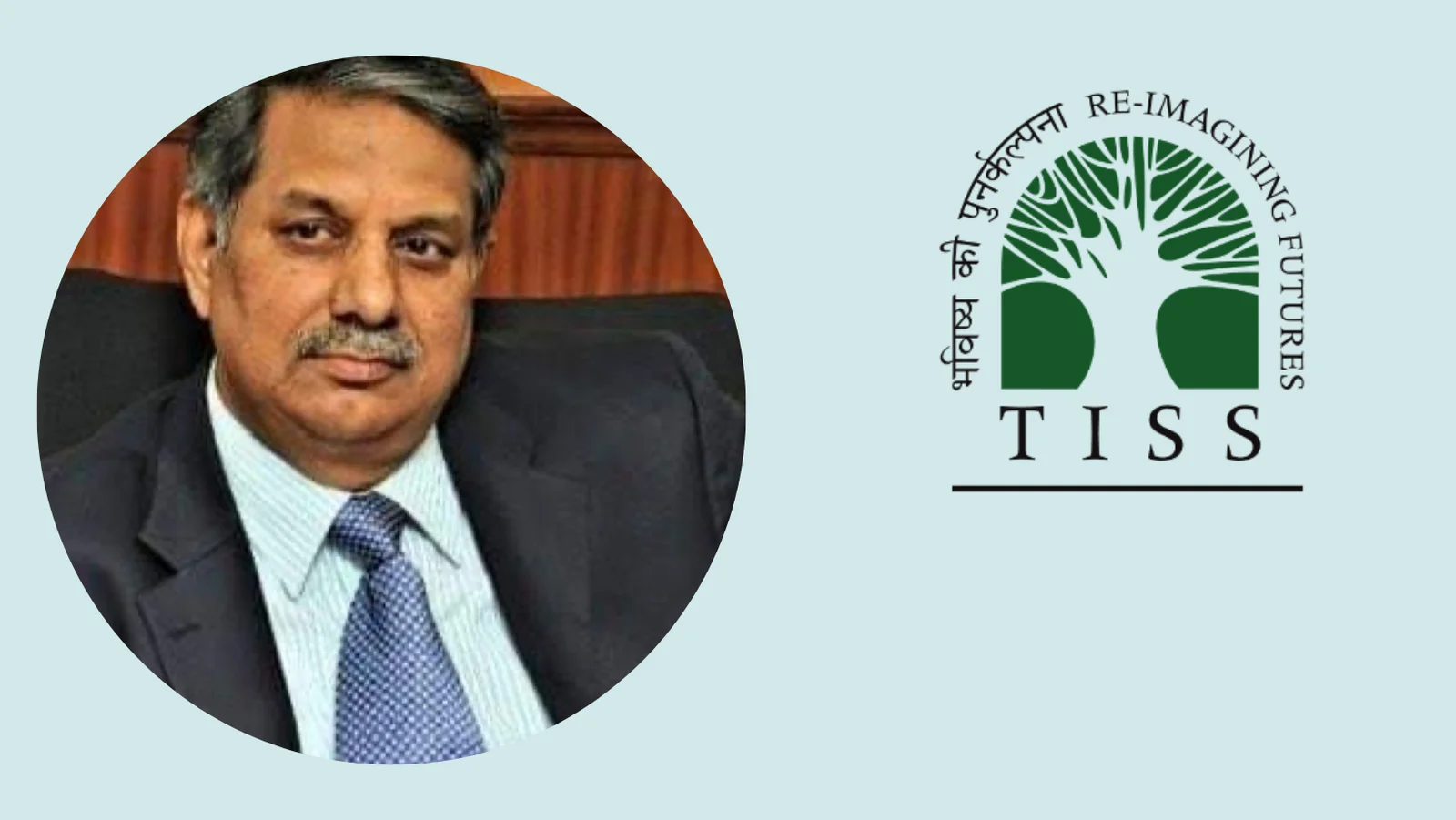
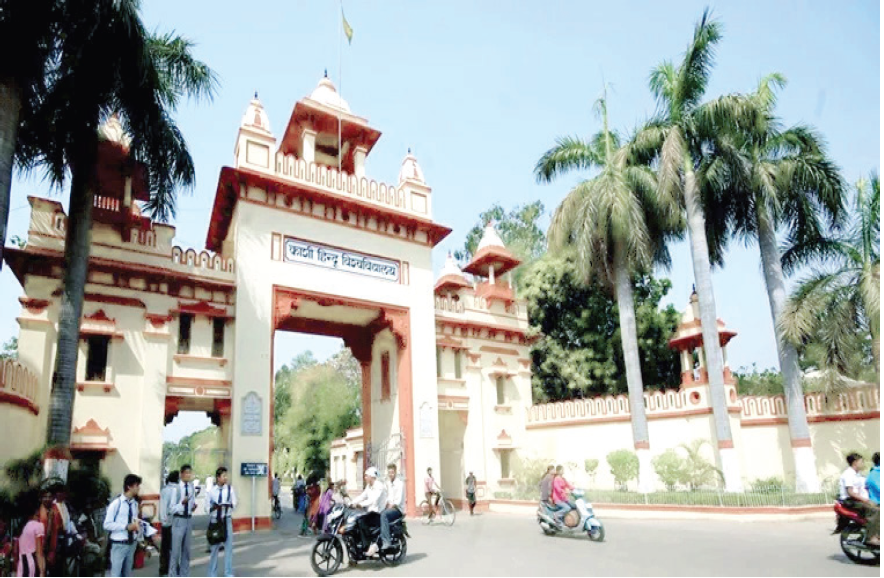
In a country that chants “Padhega India, Badhega India,” the rot within the very institutions meant to uphold that promise is now impossible to ignore. The recent CBI FIR against former UGC Chairman and current TISS Chancellor D.P. Singh has sent shockwaves through India’s academic corridors. Once hailed as a steward of higher education—having served as Vice Chancellor of Banaras Hindu University and Chairman of the University Grants Commission—Singh now stands accused of orchestrating a criminal conspiracy to manipulate medical college inspections, leak confidential regulatory data, and facilitate backdoor approvals for institutions like the Rawatpura Institute of Medical Sciences.
The charges are not trivial. According to the CBI, Singh and his associates pre-emptively disclosed inspection schedules and assessor identities to private medical colleges, enabling them to stage fraudulent compliance. Ghost faculty, fake patients, tampered biometric systems—these were not isolated incidents but part of a systemic racket that compromised the integrity of medical education across India. The alleged beneficiaries include self-styled godmen and politically connected figures, raising urgent questions about the nexus between power, money, and education.
But Singh’s case is not an aberration—it is a symptom of a deeper malaise. At North-Eastern Hill University (NEHU), Vice Chancellor Prabha Shankar Shukla resumed duties from Delhi while still on extended leave, bypassing statutory norms and drawing sharp criticism from the university’s teachers’ association. The NEHU Teachers’ Association has accused him of violating central service rules and undermining institutional governance, all while an inquiry into his alleged misconduct remains unresolved.
Meanwhile, in Uttar Pradesh, the academic landscape is being reshaped not by merit but by caste and political proximity. In the state assembly, Samajwadi Party MLA Sangram Yadav alleged that 22 out of 30 vice chancellors in state universities belong to a single caste group—predominantly Rajputs and a few Brahmins. He further claimed that executive councils, which are supposed to ensure checks and balances, have not been constituted in over a decade, allowing unchecked appointments and promotions that favor a narrow elite. The opposition walked out in protest, demanding transparency and representation for OBCs and Dalits.
The selection committees for top universities like BHU and Gujarat University are also under scrutiny. Critics argue that these panels are dominated by individuals with ideological leanings and caste affiliations that do not reflect the diversity of India’s academic community. Despite the Prime Minister’s repeated assurances about uplifting the marginalized, the composition of these committees tells a different story—one where representation is tokenistic at best, and exclusion is institutionalized.
The National Education Policy 2020 envisions a transformed India by 2047, but how can that vision be realized when the very gatekeepers of education are accused of corruption, casteism, and cronyism? The policy speaks of equity and inclusion, yet fails to enforce mechanisms that ensure backward classes and Dalits have a seat at the table. Without structural reform, NEP risks becoming another lofty document buried beneath the weight of systemic rot.
The JS University fake degree scam in Uttar Pradesh, where thousands of backdated BPEd degrees were issued to candidates for recruitment in Rajasthan, further exposes the commercialization of education. The Vice Chancellor and Registrar were arrested while attempting to flee the country, underscoring the scale and audacity of the fraud.
This is not just a crisis of governance—it is a betrayal of the nation’s youth. When education becomes a marketplace for influence and caste privilege, the dream of a developed India becomes a mirage. If institutions like NAAC can be infiltrated, if vice chancellors can operate from outside their campuses, and if selection committees can be stacked with ideological loyalists, then the very foundation of India’s academic future is at risk.
It is time for the government to act—not with slogans, but with surgical precision. A nationwide audit of university appointments, the dissolution of compromised selection committees, and the establishment of an independent oversight body are no longer optional—they are essential. If not now, then when? If not for the students, then for whom?
The soul of India’s education system is on trial. And the verdict will be written not in courtrooms, but in classrooms—by the students who either rise with justice or fall with silence. ...





[[comment.comment_text]]