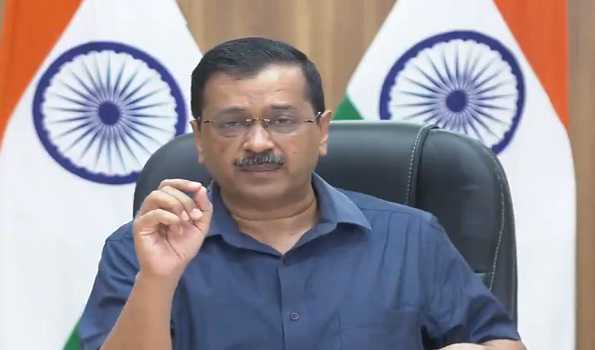
New Delhi, Chief Minister Arvind Kejriwal on Sunday announced further relaxations in the National Capital from June 14 onward as the COVID-19 graph continued to show a declining trend.
'Tomorrow, after 5 am, all activities will be allowed except some activities which are completely prohibited while some activities are being allowed in a restricted manner (partially allowed),' the Chief Minister announced in a digital press conference.
All markets, market complexes and malls, which were allowed to reopen on odd-even basis last week, will be fully open from tomorrow between 10 am and 8 pm and restaurants will also open at 50 per cent seating capacity. 'Only one weekly market is allowed in one Zone,' Mr Kejriwal said.
Meanwhile, schools, colleges, educational and coaching institutes, cultural, social, political, sports, religious gatherings, stadiums, sports complexes, entertainment, spa and gyms, swimming pools, cinema theaters, multiplexes will continue to remain shut as they pose risk of spreading the pandemic.
Capital's lifeline -- Delhi Metro -- will operate on 50 per cent capacity while Taxis and Autos will be allowed to commute only two passengers at one time. Mr Kejriwal further informed that the religious places are being opened but visitors will not be allowed.
India’s sugar crisis highlights the impact of climate change, water scarcity and rising prices on farmers, food security, ethanol blending and energy independence.
Child labour in Indian households often remains hidden from public scrutiny. Explore the legal framework, child protection challenges, education rights and solutions to domestic child labour.
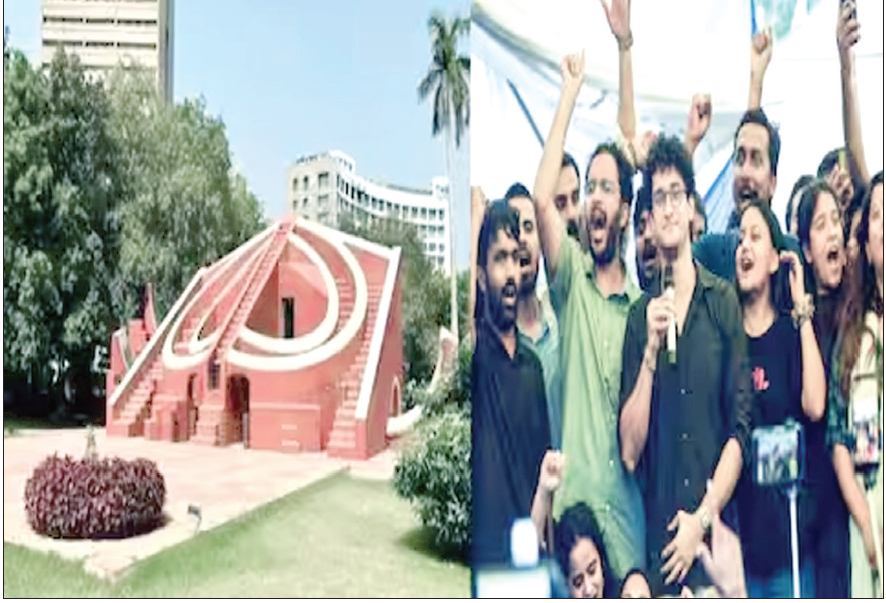
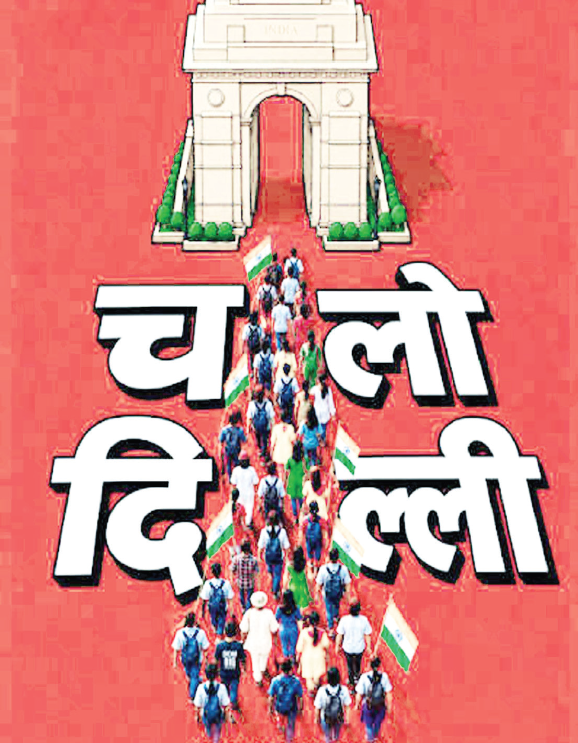
On October 11, that arrangement ended with a standing order from the Delhi Police Commissioner, who denotified the site and pointed protesters towards Ramlila Maidan, Burari Ground and CBD Ground
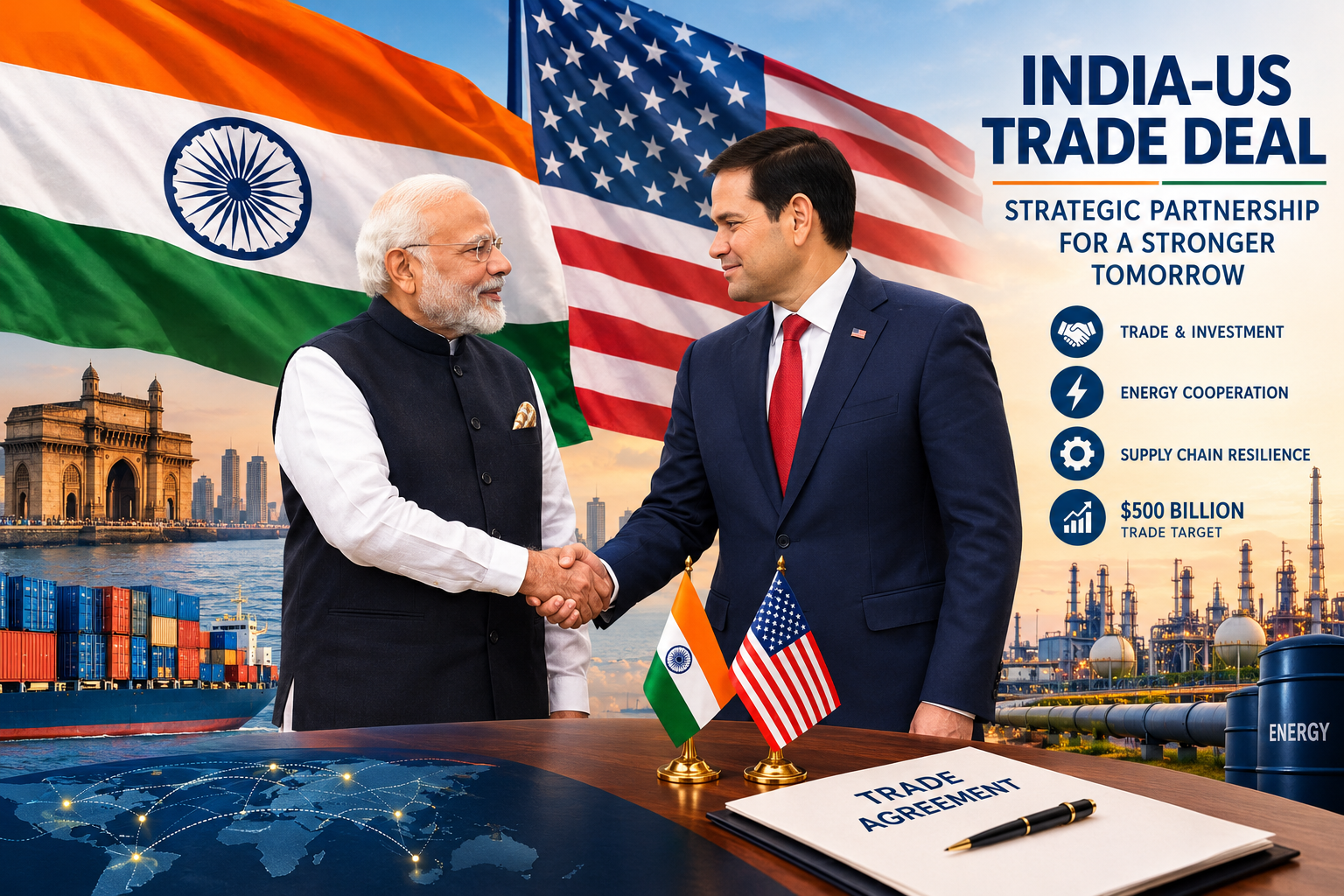
India and the US move closer to a landmark trade deal as Marco Rubio’s planned visit to Mumbai and Jamnagar highlights energy cooperation and economic ties.
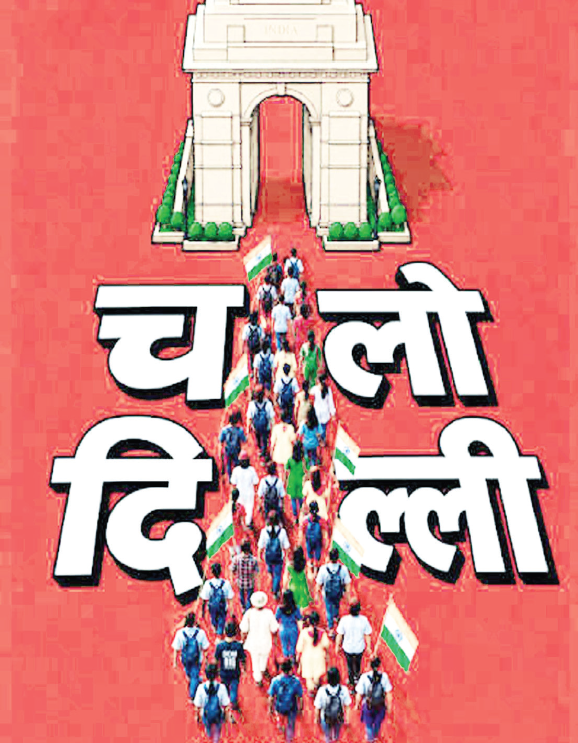
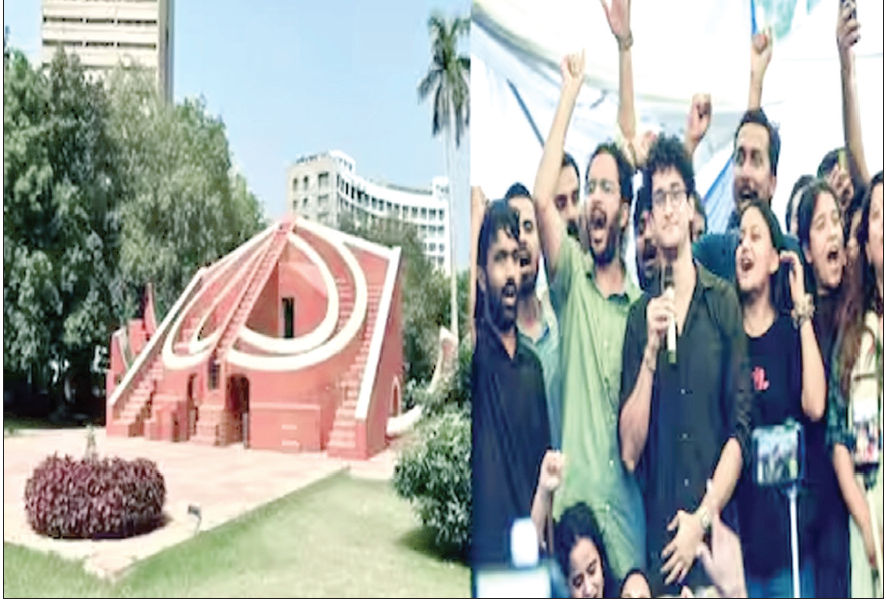
Rahul Gandhi and INDIA bloc leaders challenge the Election Commission’s SIR exercise, seek judicial intervention and launch a movement to reclaim Jantar Mantar for democratic protests.
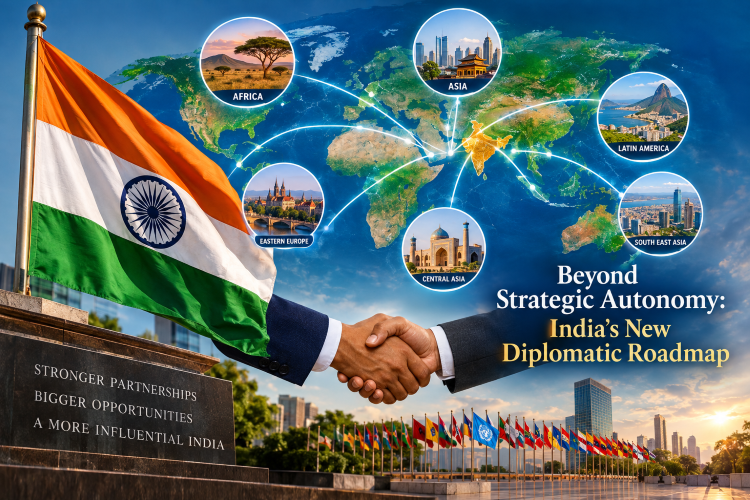
India must rethink strategic autonomy, deepen ties with emerging regions, expand global partnerships and strengthen domestic unity to enhance its diplomatic influence.

 5 years, 4 months ago




[[comment.comment_text]]