Father of India's 'Green Revolution, M.S. Swaminathan,' Passes Away at 98

 3 years ago
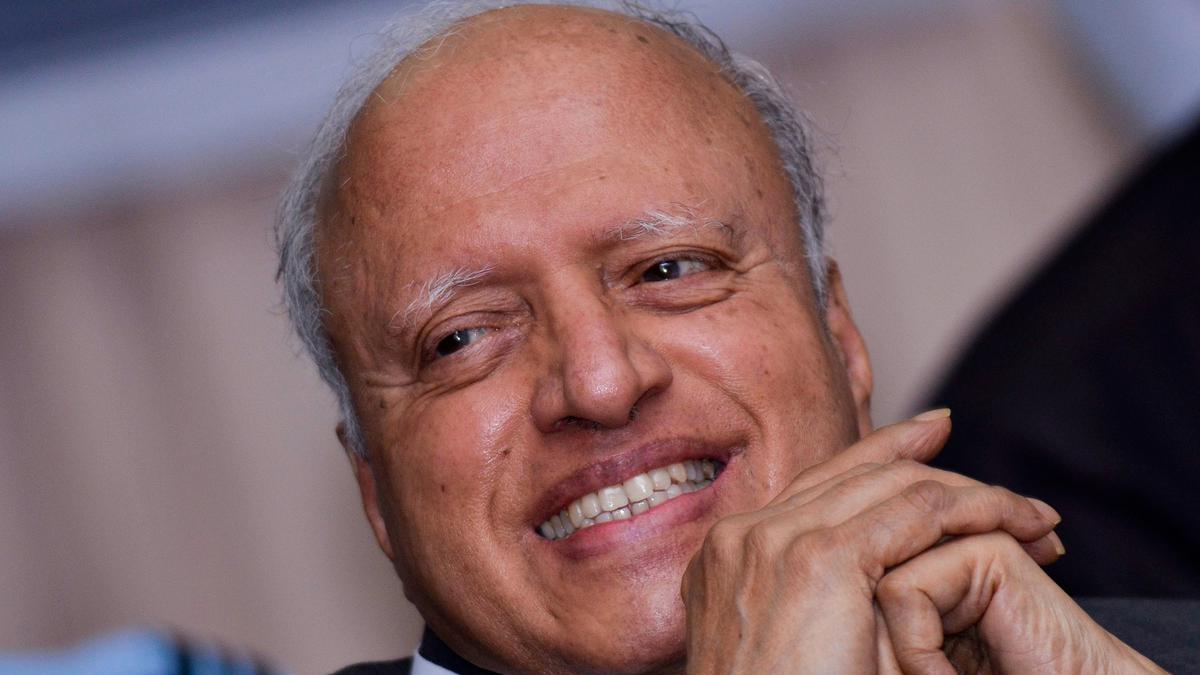
Chennai, Mankombu Sambasivan Swaminathan, affectionately known as M.S. Swaminathan, a distinguished agricultural scientist renowned for his pivotal role in India's 'Green Revolution,' breathed his last today at the age of 98. The eminent scientist passed away at his residence in Chennai on September 28, 2023, at 11:20 am due to age-related issues, leaving behind a legacy that transformed the Indian agricultural landscape.
M.S. Swaminathan
M.S. Swaminathan's contributions to agriculture and food security have been monumental, earning him the title of the "Father of India's Green Revolution." Born on August 7, 1925, in Kumbakonam, Tamil Nadu, he dedicated his life to pioneering agricultural advancements that significantly enhanced crop yields and alleviated food scarcity in the country.
Swaminathan's visionary leadership and relentless dedication to agricultural research and development led to the development of high-yielding crop varieties that were disease-resistant and better suited to Indian conditions. This transformational effort helped India achieve self-sufficiency in food production during the 1960s and 1970s, ultimately preventing famines and ensuring food security for millions of people.
In addition to his groundbreaking work in agriculture, M.S. Swaminathan held several prestigious positions throughout his illustrious career. He served as the Director-General of the Indian Council of Agricultural Research (ICAR) and as the Principal Secretary in the Ministry of Agriculture and the Ministry of Food in the Government of India. His influence extended globally as he worked closely with international organizations, including the United Nations and the Food and Agriculture Organization (FAO), to promote sustainable agriculture and rural development.
M.S. Swaminathan's legacy transcends borders. His contributions to agriculture and food security earned him numerous awards and honors, including the prestigious World Food Prize in 1987, the Albert Einstein World Science Award in 1988, and the Padma Vibhushan, India's second-highest civilian award, in 2007.
He is survived by his three daughters: Soumya Swaminathan, former Chief Scientist of the World Health Organization; Madhura Swaminathan, Professor at the Economic Analysis Unit, Indian Statistical Institute, Bengaluru, and Chairperson of the M.S. Swaminathan Research Foundation (MSSRF); and Nitya Rao, Director of the Nuffield Institute for Social Research at the University of East Anglia, UK. His wife, Mina Swaminathan, who was a Distinguished Chair in Gender and Development at MSSRF, passed away in 2011.
The passing of M.S. Swaminathan marks the end of an era in India's agricultural history. His visionary leadership, scientific acumen, and unwavering commitment to improving the lives of farmers and ensuring food security will continue to inspire future generations. India and the world have lost a true luminary in the field of agriculture, but his legacy will forever endure.
Funeral arrangements for the legendary scientist are currently underway in Chennai, with dignitaries, colleagues, and admirers expected to pay their last respects to the 'Father of India's Green Revolution.'
Rest in peace, M.S. Swaminathan. Your legacy will forever bloom in the fields you sowed.





[[comment.comment_text]]