Congress Unanimously Supports Nationwide Caste Census

 3 years ago
- Rahul Gandhi says, “we will force Modi Govt and BJP to order caste survey across India”
Ravindra Ojha @ EW News:
New Delhi, In a major ideological shift adopting cast line politics on its agenda, The Congress Working Committee (CWC) has unanimously endorsed the idea of conducting a comprehensive caste census across India, with former party chief Rahul Gandhi asserting that this endeavor would ensure equitable distribution of resources to disadvantaged sections of society.
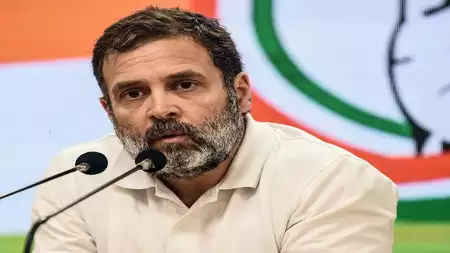
After a lengthy four-hour meeting of the party's top policy-making body, Rahul Gandhi, now a Lok Sabha MP, addressed the media, stating, "There is a very significant decision taken by the Congress Working Committee. Unanimously, the working committee has supported the idea of a caste census in the country."
During the discussion on the caste census, all CWC members expressed their support for the initiative. Gandhi further announced that Congress Chief Ministers would also take steps to conduct caste-based censuses in their respective states.
The CWC resolution affirmed the Congress party's commitment to conducting a nationwide caste census if it came to power in the upcoming Lok Sabha elections next year. This initiative would be integrated into the regular decadal Census, originally scheduled for 2021.
"The caste census will bring about an equitable distribution of resources, benefiting the impoverished in India. It will pave the way for a new trajectory of development. The Congress party will see this through," Gandhi stressed, emphasizing the necessity of this measure for the nation's future.
When asked about the Indian National Developmental Inclusive Alliance (I.N.D.I.A) coalition's stance on the issue, Gandhi noted, "Many parties within the INDIA alliance will support caste-based enumeration. Although the opinions of a few parties may differ, the majority will back it."
Gandhi also stated that the Congress was open to building a consensus within the alliance on this matter.
In a scathing critique of the BJP, Gandhi pointed out that, among the four Congress Chief Ministers, three were from Other Backward Classes (OBCs), whereas among the ten BJP Chief Ministers, only one belonged to this category. He accused Prime Minister Narendra Modi of not effectively addressing the concerns of OBCs.
Furthermore, the CWC resolution included a commitment to implement 33 percent reservation for women in the Lok Sabha and state legislative assemblies, with a focus on adequate representation for women from Scheduled Castes, Scheduled Tribes, and OBCs.
The resolution also vowed to remove the impediments of Census and delimitation imposed by the Narendra Modi-led government.





[[comment.comment_text]]