Important Discussions on Remand and Bail Jurisprudence in Law Conference

 2 years, 7 months ago
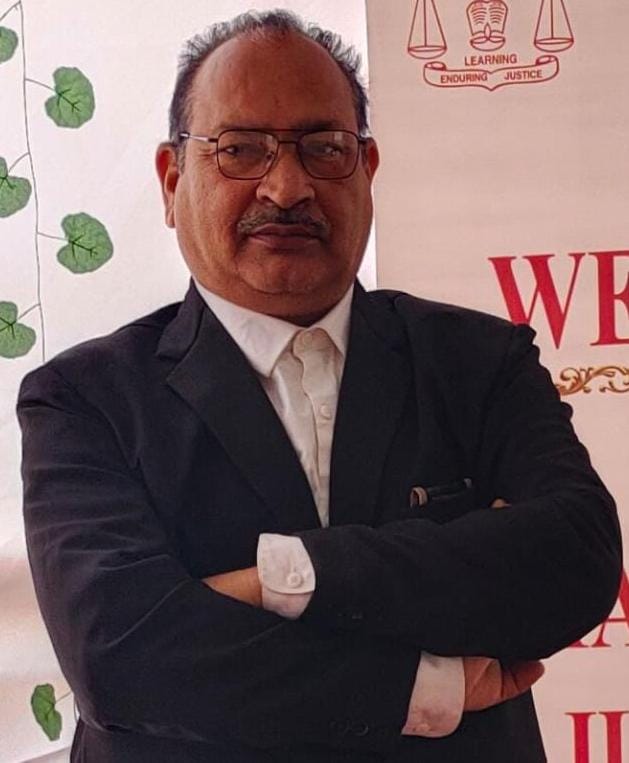
Sanjay Kumar Pandey
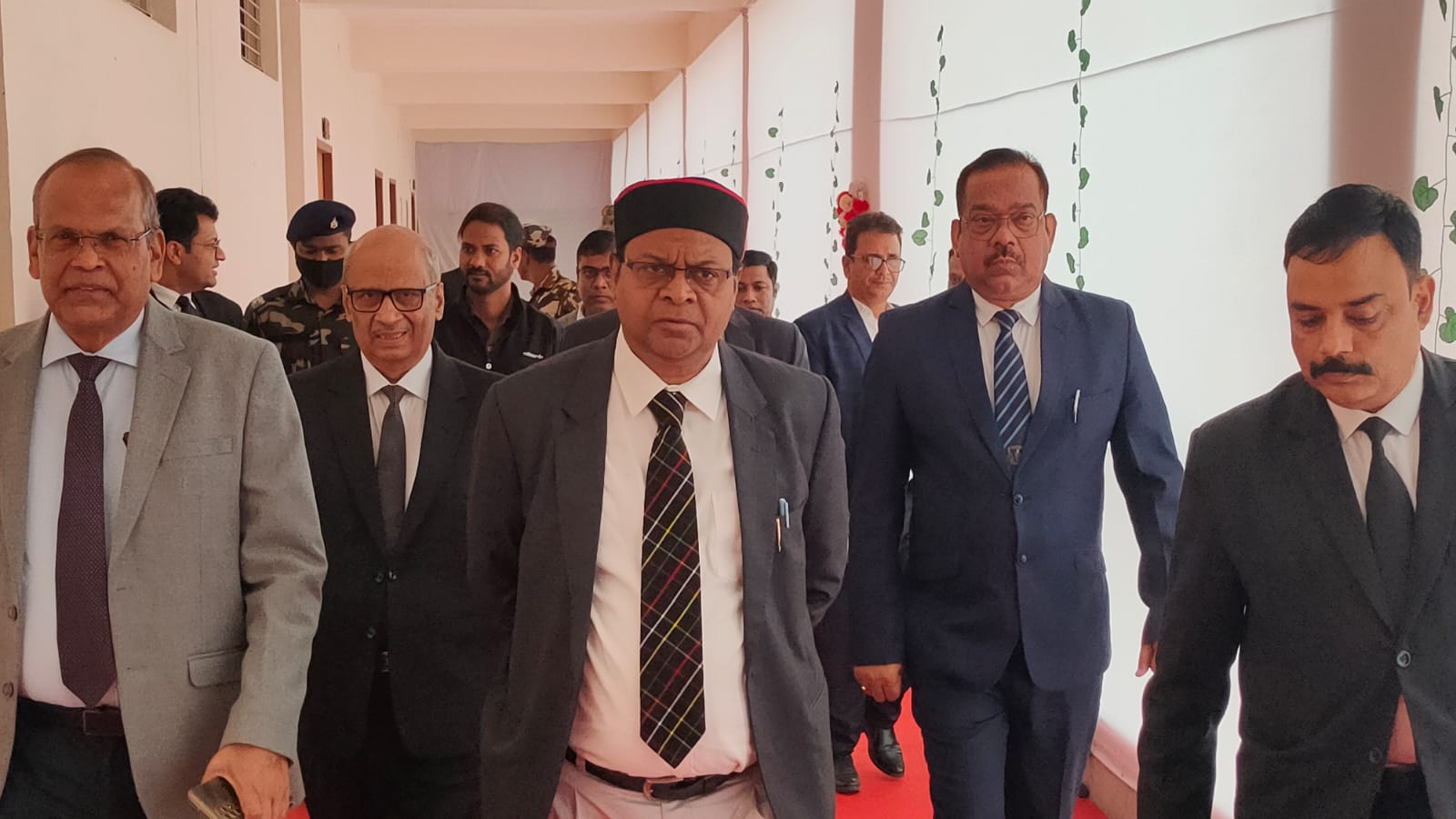
In a conference on remand and bail jurisprudence, several crucial discussions took place. Post the deliberations, Justice Ratnakar Bhengra, Judge of High Court of Jharkhand and Administrative Judge, Garhwa of the Jharkhand High Court, Justice Anil Kumar Choudhary, Judge of High Court of Jharkhand and Administrative Judge, Palamu and Sudhanshu Kumar Shashi, Director of Judicial Academy, shared vital insights beneficial for jurisprudence.
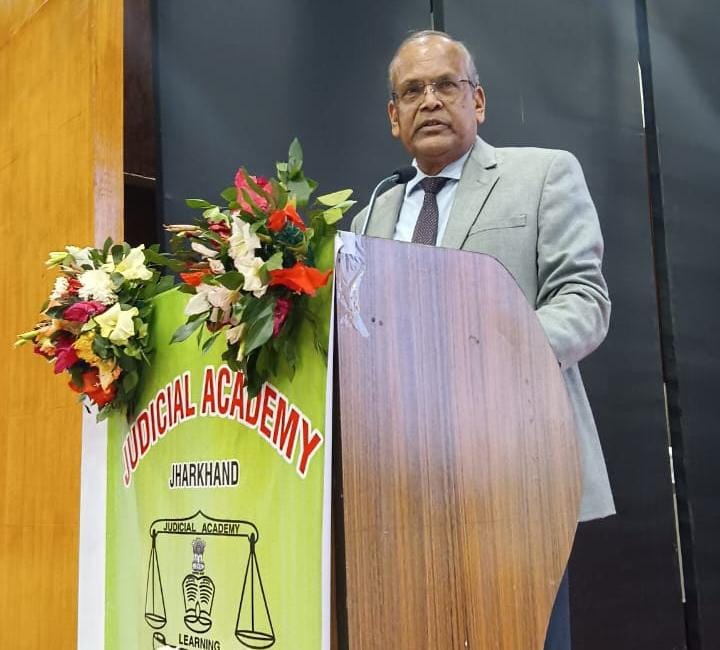
The conference witnessed participation from judicial officers, police officials, and members of the bar association, who gained significant knowledge. Particularly, Justice Shri Anil Kumar Chaudhar, Judge High Court of Jharkhand addressed judicial officers and asked how many cases of convicts sentenced to seven years have been remanded. However, the judiciary said that the police have not satisfactorily responded to the arrests made in cases of sentenced convicts so far. He discussed IPC 420 and 406 and provided several important tips along with many relevant examples. He also gave guidance while discussing the case diary. Justice Anil Kumar Chaudhary particularly discussed arrests and anticipatory bails, highlighting many important points. This conference sparked a new energy among the attendees. Justice Ratnakar Bhengra of Jharkhand High Court and Administrative Judge Gadwa provided important information through several judgments on the relevant subject. Drawing attention towards the main points, they shared several latest insights on remand and bail jurisprudence.
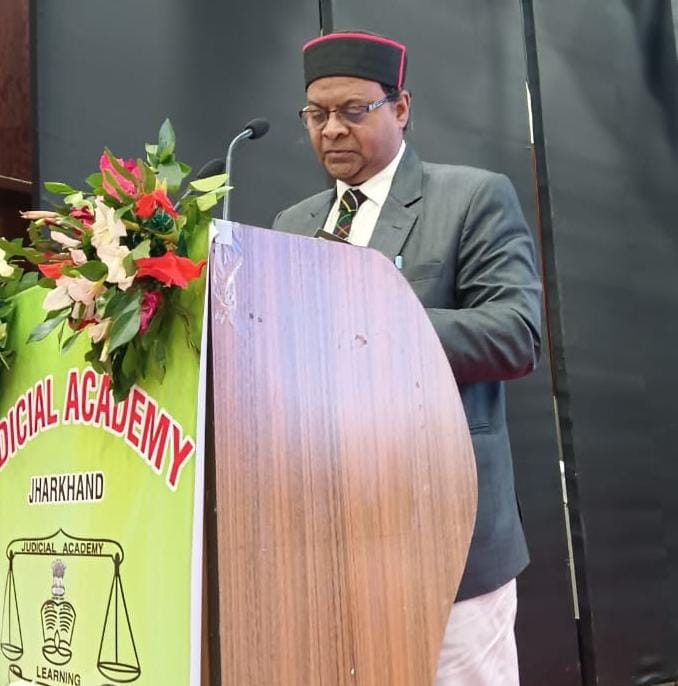
Mr. Sudhanshu Kumar Shashi Director, Judicial Academy, Jharkhand, Ranchi stressed the importance of adhering to judicial guidelines and views, urging both judicial and police officers to follow suit. Discussions also revolved around Section 41 of the CrPC, with a focus on understanding arrest procedures.
Members of the Palamu, Gadwa, and Latehar District Bar Association, judicial officers, and police officers involved in research activities were present at this conference. Several new insights and the latest information on bail jurisprudence and remand were shared by the main guests, which will prove to be a milestone in the coming days.
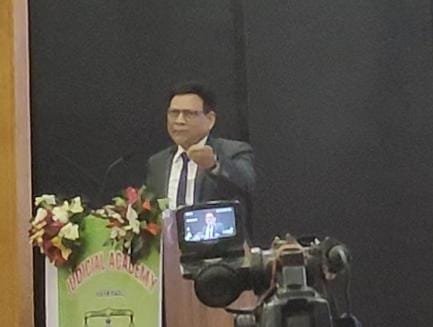
at the occasion Principal District and Sessions Judge, Palamu Mr. Neeraj Kumar Srivastava Principal District and Sessions Judge, Latehar Akhil Kumar and Principal District and Sessions Judge, Garhwa Rajesh Sharan Singh from also shared information on remand and bail jurisprudence. After this regional conference, significant changes will also be seen in the civil court in the coming days. Additionally, citizens will also benefit from conveniences.











[[comment.comment_text]]