N-Power: Uranium Crunch, High Costs, Risks Public, Profits Private


 an hour ago
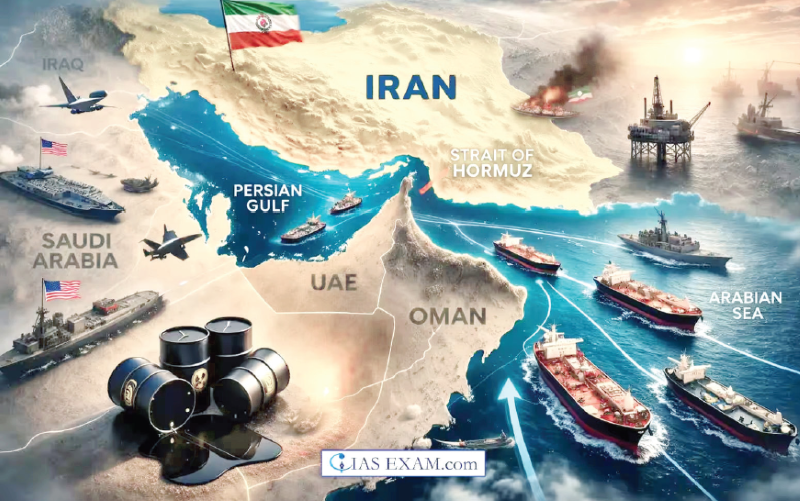
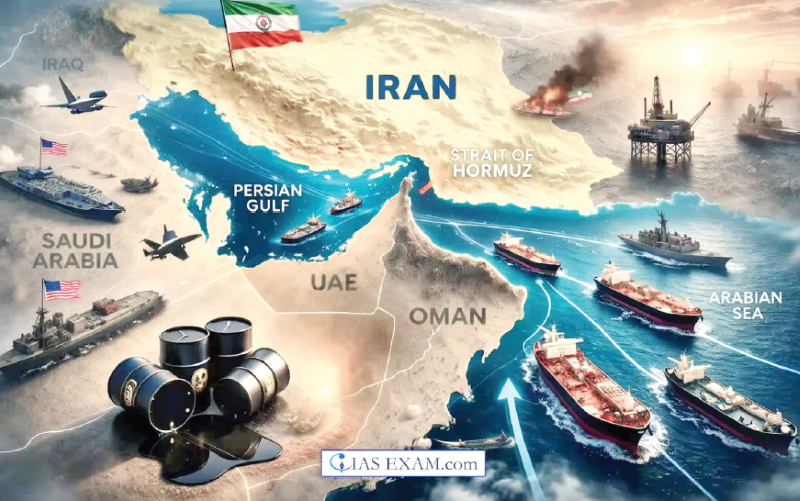
The global energy crisis is spreading beyond petroleum, with the deepening Gulf and Red Sea disruptions threatening fuel supplies and shipping. India’s nuclear ambitions face a parallel challenge: securing adequate uranium at affordable cost as the country targets 100 GW of nuclear capacity by 2047. Scarcity could raise procurement costs, delay reactor expansion and increase the cost of electricity.
The world may face a painful economic transition marked by severe inflation as fuel prices and shipping costs surge, a temporary return to coal and domestic natural gas to bridge energy shortages, and strict fuel rationing that prioritises agriculture, emergency services and critical supply chains, all at the cost of slower economic growth.
The new Sustainable Harnessing and Advancement of Nuclear Energy for Transforming India Act, 2025 (SHANTI Act) opens civil nuclear power to eligible private companies and joint ventures while retaining government control over sensitive activities, including nuclear fuel enrichment and spent-fuel reprocessing. It introduces capacity-based operator liability caps, ranging from ₹100 crore for micro-reactors to Rs 3,000 crore for large plants, and provides for government-backed compensation beyond the operator’s cap. Critics argue that limiting supplier liability weakens the polluter-pays principle and risks leaving the public to bear a substantial share of the cost of a major accident.
The high-level nuclear waste and spent fuel management for 5000 years remains a government expense without, so far, a dedicated funds liability from private operators.
Uranium Scarcity & Thorium
The problem extends beyond accident compensation. High-level radioactive waste and spent-fuel management remain under government control. Although operators are expected to provide financial security for waste management and decommissioning, the absence of a dedicated, ring-fenced fund could leave taxpayers exposed to future disposal costs. Private companies may benefit from operating nuclear plants, while the state retains responsibility for some of the most expensive and technically demanding stages of the nuclear fuel cycle.
The IAEA in its global uranium report assesses 90,000 to 125,000 tonnes uranium demand by 2050. The present requirement is 60,000 tonnes. Shortage to accentuate by 2040 as uranium production to halve.
For India, this supply-demand gap is not merely a market fluctuation but a systemic risk to its energy security and long-term decarbonisation goals.
The widening deficit puts pressure on India's reliance on international imports to supplement its domestic reserves, escalation of operational cost and unaffordable power price as uranium prices zoom.
India has limited domestic reserves of low-grade uranium, forcing heavy reliance on foreign imports from countries like Kazakhstan, Canada, Russia, Australia, Uzbekistan and France. The Uranium Corporation mines in Jharkhand, Andhra Pradesh and Karnataka sustained the domestic nuclear power needs for decades. But with the opening of the sector to the private companies, the situation is to change along with the issues of liabilities.
There are high thorium reserves (about 25% of the global total), yet commercial thorium power has not scaled due to a mix of scientific, economic, and strategic hurdles.
So far, China operates the world's only active experimental thorium molten-salt reactor in Gobi Desert (Wuwei), while countries like India, the US, and Denmark continue active research, testing, and development programs.
Scaling capacity requires massive capital investments (estimated in trillions of rupees), and draft regulatory frameworks still lack clear commercial guidelines on tariffs and investor returns.
Modular Reactor
India’s uranium dependence adds another layer of risk. Domestic reserves are limited, and the country relies heavily on imports from suppliers including Kazakhstan, Canada, Uzbekistan, Australia, Russia and France. Global uranium demand is projected to rise substantially by 2050, while developing new mines can take 15–20 years. Long-term supply contracts and strategic reserves can provide some protection, but they cannot eliminate price volatility or logistical disruption.
India’s thorium reserves—estimated at about a quarter of the global total—offer a possible long-term alternative, but not an immediate solution. Thorium is not fissile and must first be converted into uranium-233 inside a reactor. The process involves complex technology, expensive fuel reprocessing and difficult radiation-control requirements. The Prototype Fast Breeder Reactor at Kalpakkam reaching first criticality in April 2026 marks progress in India’s second-stage nuclear programme, but commercial thorium power remains a longer-term objective.
Small modular reactors (SMRs) are another part of the expansion strategy. India’s Nuclear Energy Mission, backed by Rs 20,000 crore, targets at least five indigenous SMRs by 2033, including the 220-MWe Bharat Small Modular Reactor. Yet smaller reactors are not automatically cheaper, and commercial viability will depend on construction costs, regulatory clarity, fuel availability and credible arrangements for waste management and decommissioning.
Indias nuclear expansion must not become a means of privatising profits while socialising costs. Securing uranium, strengthening domestic technology and reinforcing NPCIL must go hand in hand with transparent liability rules and properly funded waste disposal.
Critics argue it weakens the polluter-pays principle.
Spent Fuel Cost on Public
With spent fuel management in the government sectors public cost to remain high and private liabilities limited. The profitable parts remain with the private sector.
High-level radioactive waste remains under Central Government control, with spent fuel reprocessed and residual waste vitrified for secure storage, while plant operators handle routine low- and intermediate-level waste and maintain spent-fuel storage. Operators are expected to provide financial security for waste management and decommissioning, but without a dedicated, ring-fenced fund financed through electricity-generation levies, the long-term cost of permanent disposal could ultimately fall on taxpayers rather than the companies generating the nuclear power.
The critical question is whether the NPCIL should not be strengthened?
A 20-Year Supply Challenge
Despite global uranium resources exceeding 8.1 million tonnes, converting them into reliable supplies requires investment, infrastructure and 15–20 years to develop new mines. Expanding existing mines, reopening idle operations, strategic stockpiles and long-term import contracts can ease shortages, while seawater extraction and spent-fuel recycling remain longer-term options.
Fast breeder reactors and thorium could reduce uranium dependence over time but cannot resolve immediate shortages. India must therefore balance nuclear expansion with fuel security, technological readiness, rising costs and long-term public liabilities.
India cannot afford to abandon nuclear power, but it cannot pursue expansion by shifting its long-term costs and risks to the public. Uranium security, domestic technology and a stronger NPCIL must advance alongside transparent liability rules and properly funded waste disposal. Nuclear power may strengthen energy security, but private investment must not become a mechanism for privatising profits while leaving taxpayers to carry the residual risks.
(Author, a well-recognised senior journalist and commentator, has served as a Professor & Dean at the capital-based IIMC.)









[[comment.comment_text]]