Engaging with Taliban: Pragmatic diplomacy

 2 years, 7 months ago
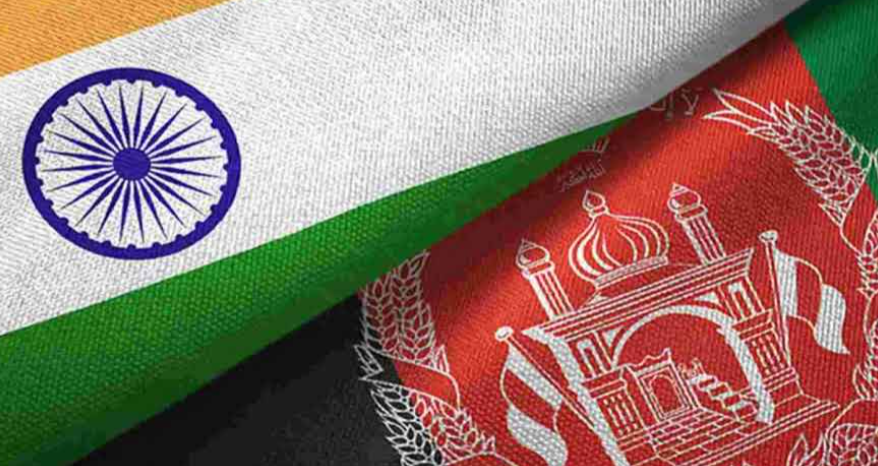
Indian officials holding talks with Afghanistan’s Taliban regime ministers show the proactive approach of New Delhi to safeguard its interests in the war-torn nation. It’s now a reality that the international community can no longer wish away the Taliban’s hold over Afghanistan. It is no longer an ideological choice but a pragmatic option for the nations in the immediate neighbourhood to figure out a working relationship with the ultra-conservative regime in Kabul. In this context, India has been displaying deft diplomatic skills in engaging with the Taliban regime, without officially recognising it.
New Delhi has been engaging with the Taliban leaders on economic and trade issues, besides discussing humanitarian assistance, terrorism, drug trafficking, inclusive government, women’s rights and education. The ongoing visit of a senior official of the External Affairs Ministry, the fourth such engagement since the Taliban captured power in August 2021, to hold talks with Afghanistan ministers on bilateral economic cooperation is a testimony to India’s pragmatic diplomacy. A pragmatic, proactive approach can help New Delhi safeguard its interests in Afghanistan. India has been closely observing the growing bitterness between Islamabad and Kabul, generated by skirmishes on the Durand Line and convinced about the fact that a bankrupt Pakistan is incapable of economically helping Afghanistan.
By the end of last year, India was satisfied with the Taliban’s assurances that it was committed to preventing Afghanistan from again becoming a hub for jihadi terrorism. India’s decision to do business with the Taliban was also motivated by China restoring diplomatic ties with Kabul. Though New Delhi doesn’t formally recognise the Taliban regime which captured power following the exit of US troops, it has been extending humanitarian assistance to the people of Afghanistan and has also invested in several development projects in the war-torn country.
While the Taliban rulers have a long way to go before they receive global legitimacy, their greater accommodation of Indian interests should spur New Delhi to handhold the post-Mullah Omar generation as it seeks to integrate with the wider world. But experience tells India to be circumspect as it finds its feet again on the Afghan chessboard. Inviting Taliban leaders last year to participate in an online training course, conducted by the External Affairs Ministry, reflected New Delhi’s willingness to engage with the new rulers. At the same time, India has made it clear to the government in Kabul that it should rein in anti-India terror outfits operating on its soil.
India’s efforts in Afghanistan have focused on humanitarian aid as well as supporting the people through medicines, vaccines and food. In June 2022, India sent considerable aid to the Afghans when the earthquake wreaked havoc, becoming one of the first countries in the region to respond. It also sent wheat to the crisis-hit country through Iran’s Chabahar port instead of taking the hassle-prone road route via Pakistan. The Taliban, on its part, see New Delhi as a major stakeholder that can play a key role in facilitating long-term peace and stability in Afghanistan. Afghan Taliban have praised India for sending humanitarian assistance to the people of Afghanistan. An Indian diplomatic delegation met with the Taliban foreign minister in Kabul and discussed bilateral ties. Notably, the delegation comprised a woman diplomat too.
India, like the rest of the world, has not recognised the Taliban as a legitimate government of Afghanistan, but diplomatic engagement with the Islamist group has surged over the past two years. MEA’s in charge for Afghanistan JP Singh recently led a delegation to Kabul and met Taliban Foreign Minister Amir Khan Muttaqi. This was the first high-level interaction between India and Afghanistan since the Taliban took over the country. During the meeting, Muttaqi requested that Indian visas be facilitated for Afghan businessmen, patients and students. The two sides also discussed security, trade and anti-narcotics measures.





[[comment.comment_text]]