The Changing Standards of Societal Morality: A Critical Look at Contemporary Ethics

 2 hours ago
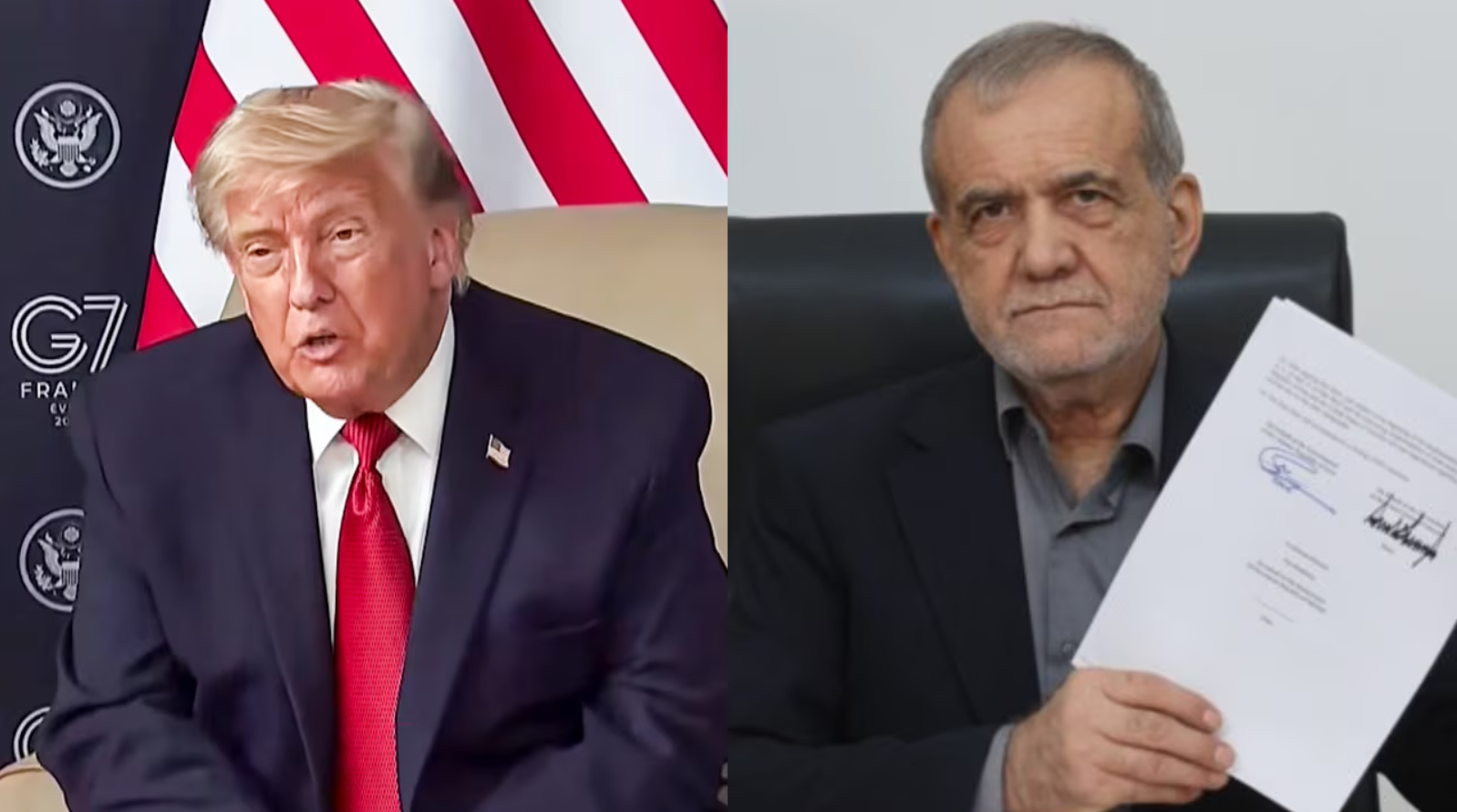
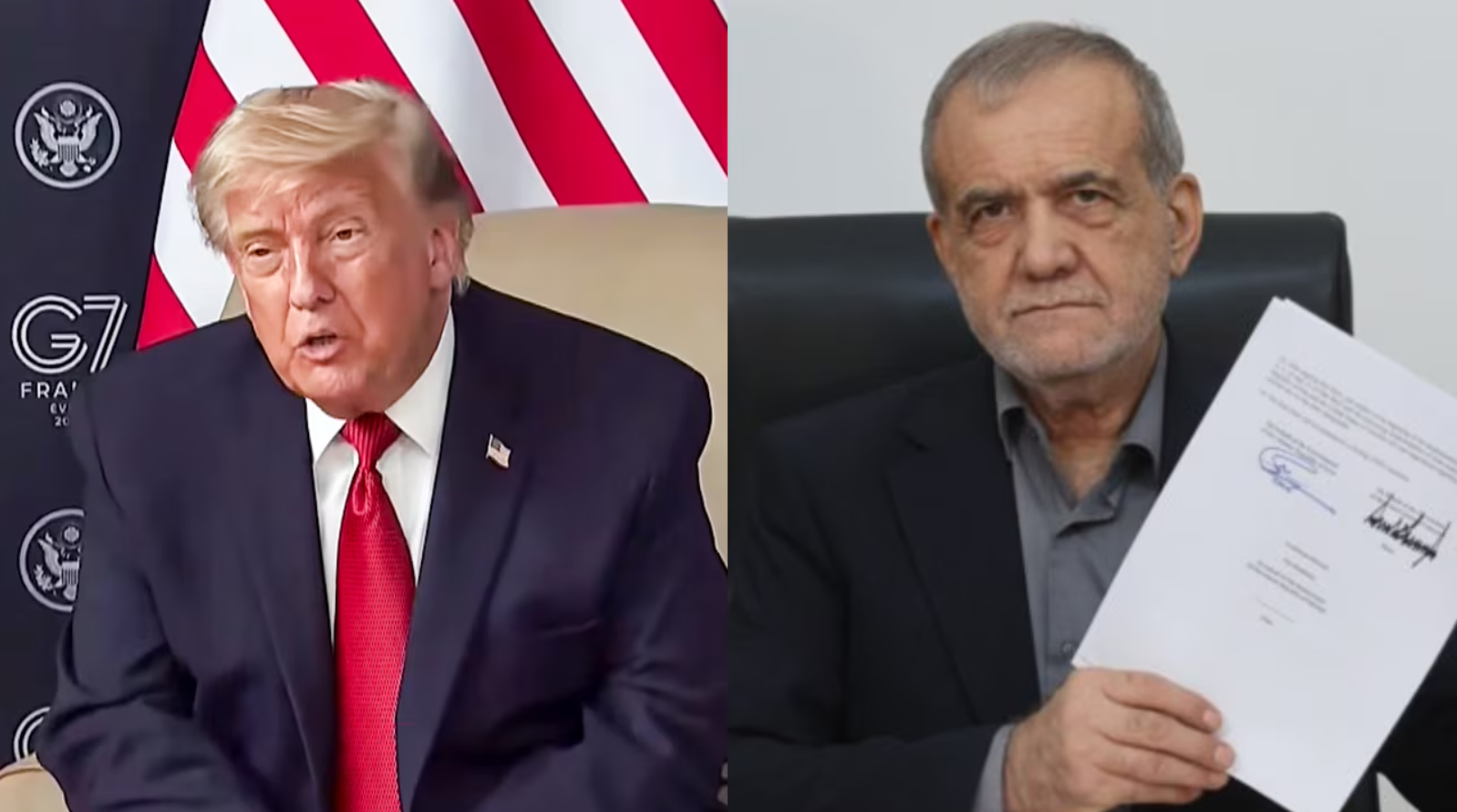
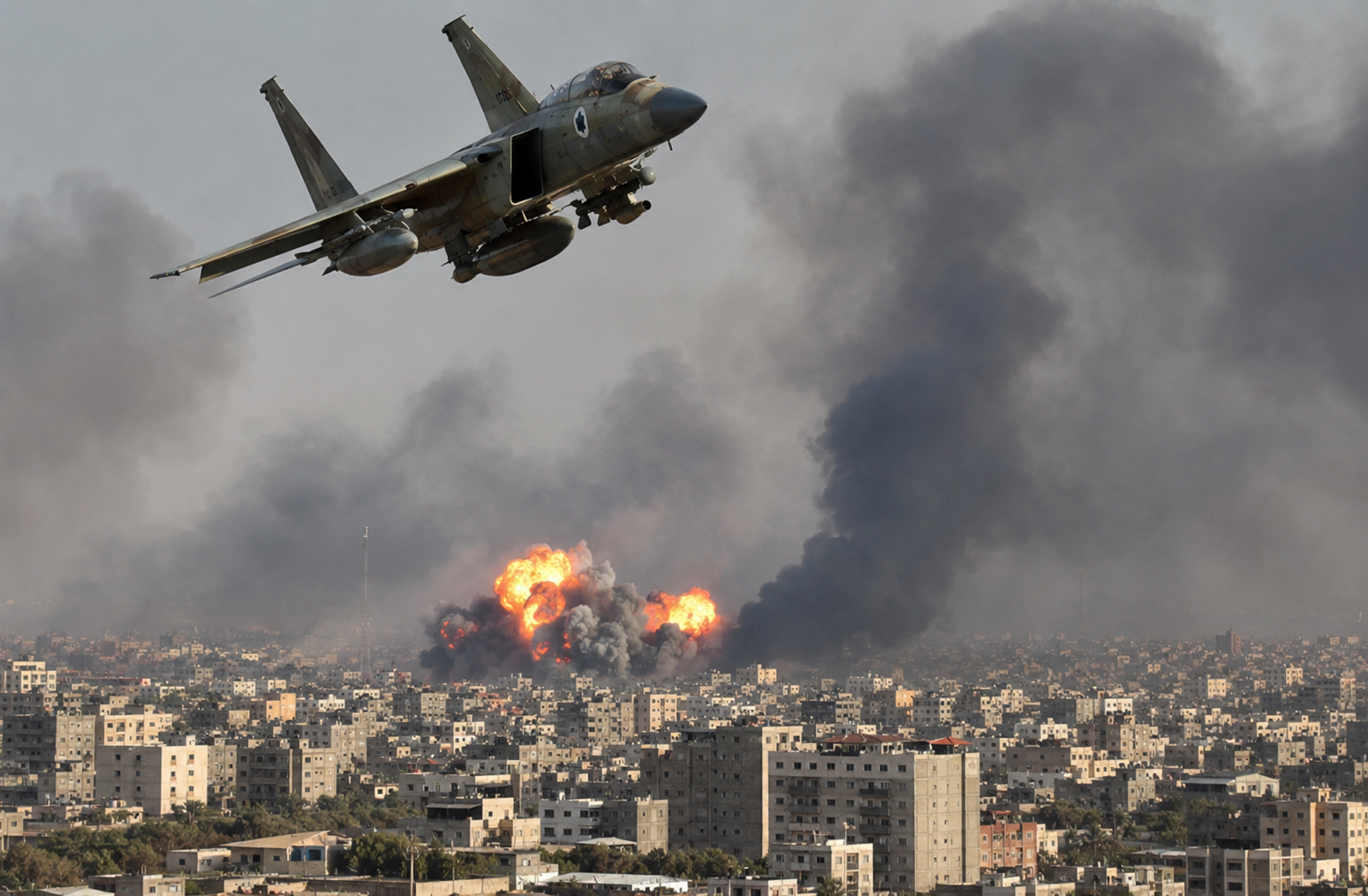
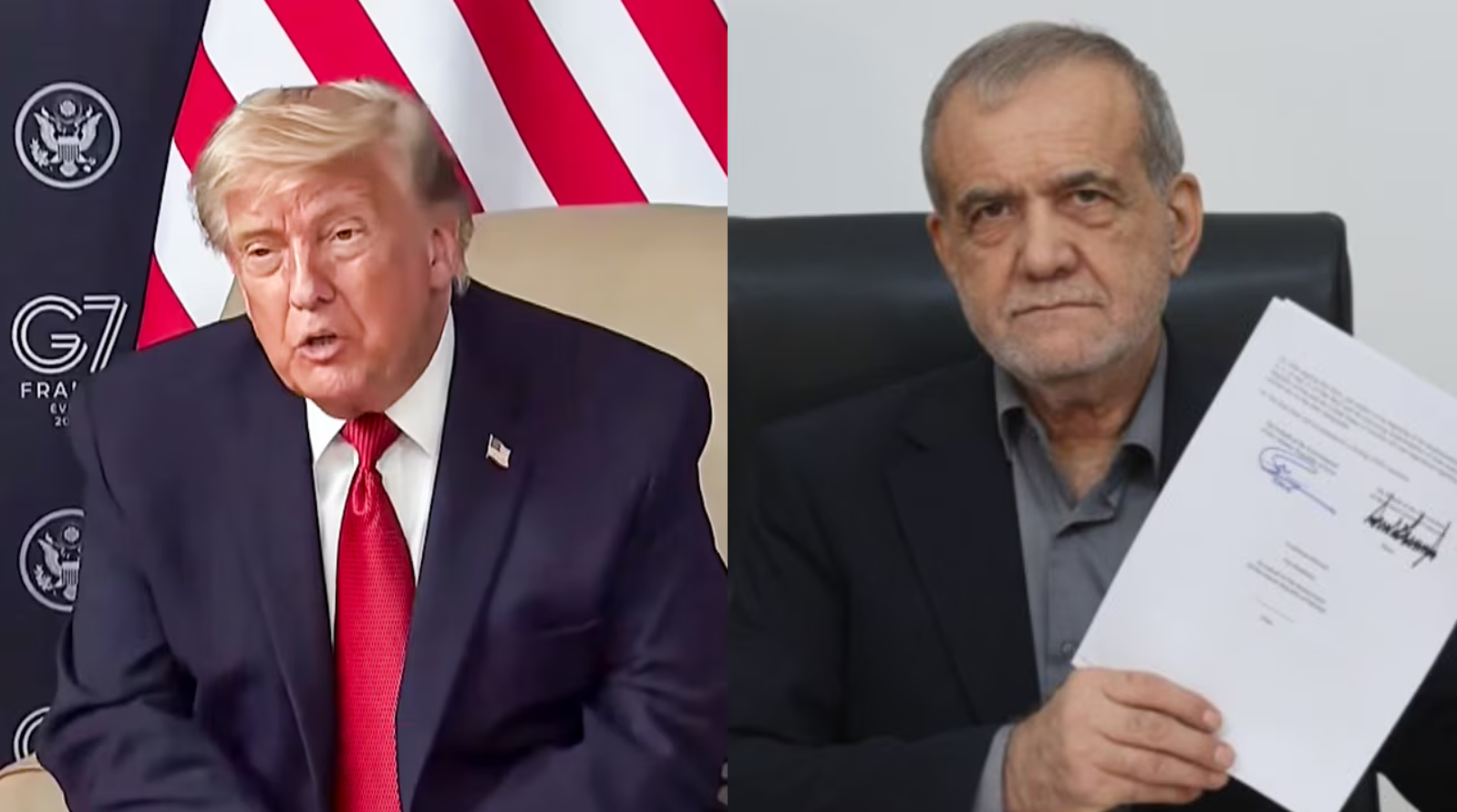
Fourteen points Memorandum of understanding (MoU) signed between US President Trump and Iranian President Masud Pezeshkian on 18th June had temporarily halted the military operations and opened the transit of commercial vessels through Strait of Hormuz, without any fee, till final agreement is reached within 60 days. A few rounds of negotiations at Qatar and Pakistan to obtain final reaffirmation from Iran that it shall not procure or develop nuclear weapons and dispossess enriched stockpile on mutually agreed terms took place without any outcome. Iranian strike on three commercial vessels sailing with LNG from Qatar and Crude oil from Saudi Arabia in the strait of Hormuz was retaliated strongly by United States hitting more than 80 Iranian military targets. Both parties have trust deficit that has put a question mark on the ceasefire arrived on 18th June. Trump during his NATO meeting in Ankara declared that peace deal with Iran was ‘over’ and further renewed his threats to bomb the civil infrastructure of Iran if it did anything provocative.
Let me examine the reasons for mistrust and prospect of final deal between US and Iran. The market reacted positively with 18th June MoU and Crude oil prices have plummeted below $80 a barrel on the very next day. Subsequently the prices also touched pre-28th February prices. Next day of MoU, Indian rupee had gained 47 paisa to a dollar. It brought some relief for global trade and the commercial ships through the strait of Hormuz started sailing with the loads of energy, fertilizers, aluminium etc. The farmers across Europe and Asia got a sigh of relief as agriculture season had already kicked in and use of fertilizer at appropriate time was needed to boost the productivity in agriculture sector.
Following the MoU, US lifted sanction from Iran’s oil business, and Iran had already started exporting oil to many countries. But the main highlight of the MoU was that Iran gets its reconstruction money of $300 billion from other gulf countries as well as its assets frozen abroad, which is approximately $24 billion. The sanction was to be lifted from use of infrastructures like Chhabahar port, which benefits Indian trade and commerce to central Asian countries considerably. US did not take proper action to un-freeze Iran’s asset, was one of the irritant, why Iran found that the clauses in MoU are hollow and US is not serious in implementing it. The MoU also did not specify how the Iran’s reconstruction amount would be generated. The gulf countries in the region suffered enormous damage in the hands of Iran, might not come forward to contribute for its reconstruction. Trump, too has announced that US will not pay any money for Iran’s reconstruction. During few rounds of negotiations to finalize the deal in 60 days after MoU, the Iranian and US negotiators did not come face to face; Iran avoided it saying US promises cannot be trusted. Iran’s main irritant was continuing Israeli aggression against Hezbollah in Lebanon. Tehran argued that MoU provided for halting military action against Iran and its allies, but Israelis did not honour it and continued bombardment on Hezbollah. The MoU did look superficial, as Israel was not taken on board.
Trump’s America first supporters, who were sceptical of overseas interventions were happy with the efforts of MAGA boss, who seem like extricating US from another conflict. But now that the main deal is jeopardized, Trump’s Republican party may face the heat during mid-term election in November. Israel, was not happy with MoU. Before war begun, US and Israel had demanded to dismantle Iran’s nuclear infrastructure, curbs on its ballistic missiles and end Tehran’s support for proxy groups like Hezbollah and Hamas. The MoU did not achieve any of these and even the issue of enriched nuclear piles remained unresolved and is left for the final deal. Trump, however has repeatedly announced that Iran would not be permitted to develop nuclear weapons. MoU however, was heavily tilted in favour of Iran, and under mid-term election pressure, Trump may dismantle it.
Iran in its 2015 nuclear deal (JCPOA) with US President Obama had committed to use nuclear program for peaceful purposes and not for developing nuclear weapons. In his first term he dismantled JCPOA and already attacked Iran twice in his second term. Once in June 2025 in “operation mid-night hammer” US B2 bombers have destroyed Iran’s nuclear facilities and claimed to have obliterated all enrichments sites and again bombarded the facilities in the war that commenced on 28th February. On the issue of nuclear weapons, Iran is not going to commit anything more than, what was committed in JCPOA. Yet, Iran is in possession of 450 kg. of enriched Uranium.
While hailing the MoU with G7 members at Evian-les-Bains, Trump reiterated that the opening of Hormuz will result in oil prices going down and Iran in no circumstances, would be allowed to develop nuclear weapons. Since the start of Iran war, gas prices in America went up by 40% and citizens are angry about it. Critics say that Trump’s only motto is to bring down prices with a sole objective to make electoral gains in mid-term poll on November 3.
Dismissing the criticism that Iran is run by IRGC, a radical group, and such MoU's are only piece of paper, Trump retorted saying the current Iranian leaders are not radicalized. Netanyahu, continued striking at Hezbollah targets in southern Lebanon mainly to protest against MoU. Many innocent civilians were killed. Trump did not support Netanyahu’s action, and rebuked him saying Syria could handle Hezbollah better than Israel. Netanyahu and Trump have repeatedly clashed over Israel’s refusal to constrain its pursuit of Hezbollah in Lebanon, where cessation of hostilities is a key Iranian demand. MoU is appearing to be losing its relevance, the deal is certainly jeopardized. Trump’s military action may lead to scrapping MoU and thus, the main deal involving nuclear questions is still far off. Next he wants to focus on Ukraine war and bring a deal there, too. Clearly Netanyahu is on the back-foot before Israel’s general election.
Opening Hormuz for commercial shipping had brought a sigh of relief for entire world, but with Trump’s renewed threat to destroy Iranian infrastructures, Strait of Hormuz is going to remain closed. The trade and economy will again face disruptions. West Asia accounts for 40 to 50% of India’s oil import as well as gas and fertilizer supplies and also accounts for 13% of our export. Since Trump’s announcement of 25% reciprocal tariff and 25% punitive tariff for purchase of Russian oil, India has diversified its energy purchase from 41 countries. Trump, however did not dare to impose punitive tariff on China, who purchased larger quantity of Russian oil. China has a very strong leverage of rare earth magnets and US has buckled. With Iran war, the share of energy India purchased from sources other than Gulf countries went up. The sailing time from gulf countries to Indian ports is a week while that from US and Russia is nearly a month and adds to freight, insurance and container costs.
The war has damaged West Asia oil and gas infra and it is still uncertain before these are repaired. Further the freight, containers and insurance charges may take some time to normalize. Also countries may replenish the reserves already exhausted in past four and half months and may even expand strategic reserves to face the prolonged disruptions. Further a weak global growth may slow the demand and Crude prices, that reached pre-war level recently and is again surging. GOI’s action to rationalize GST, emphasis on capex and cash transfers may ease the situation to some extent.
Current Account Deficit, which was .6% of GDP in last fiscal is likely to go up to 2% in this fiscal adding more pressure to the rupee, however the investor’s confidence that was boosted with ceasefire, will again be shaken. The inflation, which was 2.1% in last fiscal, is projected to go up to 5.1%. GOI is also passing petrol and diesel price hike to consumers that may further add to inflation. RBI will have a role to balance between supporting growth and checking inflation. The economy worldwide showed the signs of recovery, will again be slowed.
The weather uncertainties on account of El Nino climatic conditions, add to the energy crisis and pose threat to growth everywhere including India.
(Author, a former IFS officer and head of Forest Force, Karnataka, teaches Economics in Karnataka Forest Academy. Views are personal.)

[[comment.comment_text]]