Taj Mahal, Truth and the Temptation of Myth: History, Law and the Politics of Manufactured Memory

 3 hours ago
As fresh litigation seeks to reopen the Taj Mahal’s past, the debate is no longer merely about a monument—it is about whether historical evidence or political mythology will define India’s civilisational inheritance.
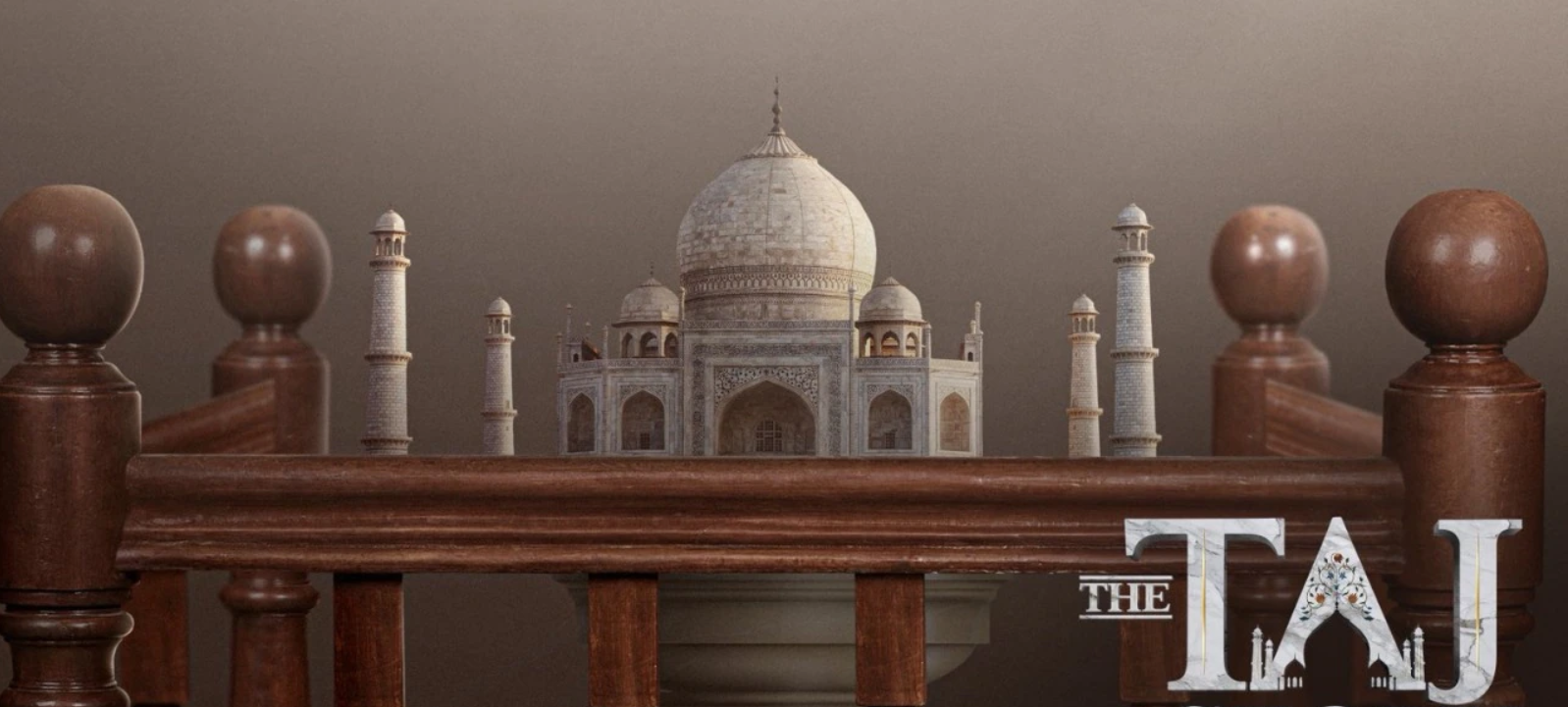
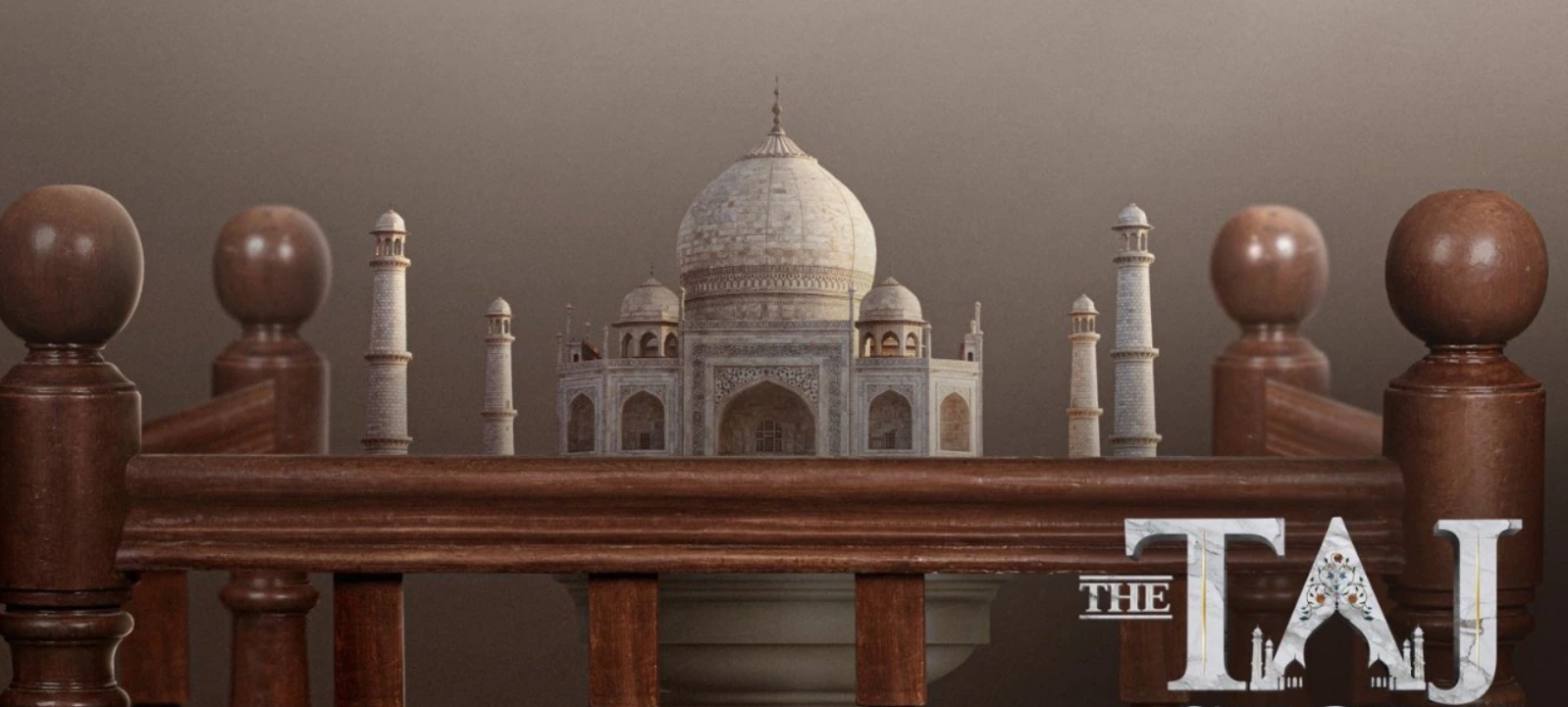
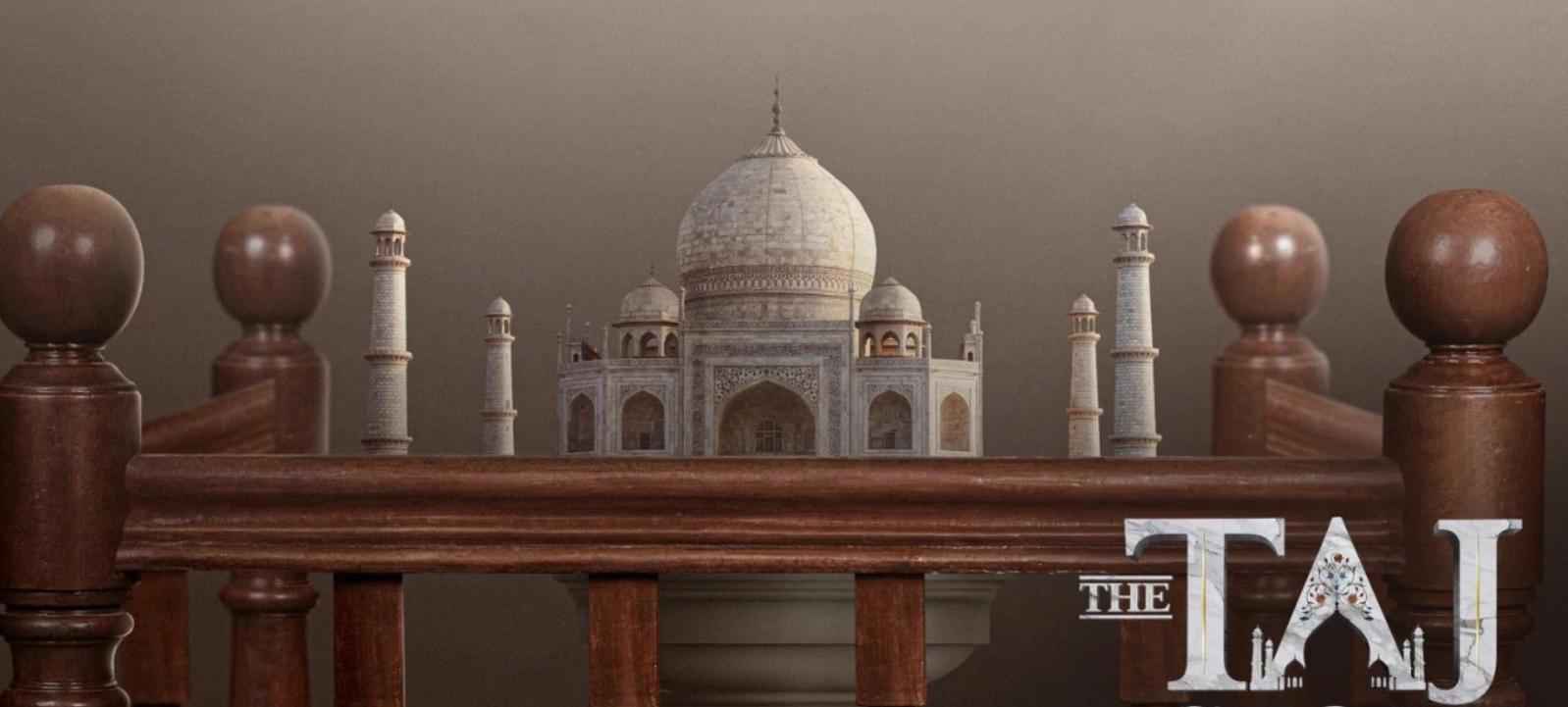
Few monuments in the world command the reverence, recognition and emotional appeal of Agra’s Taj Mahal. A UNESCO World Heritage Site and one of the Seven Wonders of the Modern World, it has stood for nearly four centuries as an architectural masterpiece and a symbol of India’s composite cultural heritage. Yet, increasingly, it has become the object of relentless attempts to recast history through litigation and ideology.
The latest chapter unfolded when the Allahabad High Court sought responses from the Union government and the Archaeological Survey of India (ASI) on a petition claiming that the Taj Mahal was originally a Shiva temple known as “Tejo Mahalaya.” While the issuance of a notice does not amount to judicial endorsement of the claim, the very recurrence of such litigation raises uncomfortable questions about the increasing judicialisation of historical disputes and their implications for India’s secular constitutional order.
From Fringe Theory to Courtroom Litigation
The claim that the Taj Mahal was originally a Hindu temple owes its origins largely to the late writer Purushottam Nagesh Oak, better known as P. N. Oak. In his controversial writings during the 1980s, Oak argued that numerous Islamic monuments in India—including the Taj Mahal—(“Taj Mahal: The True Story”)
were originally Hindu structures appropriated by Muslim rulers.
Professional historians have consistently rejected these assertions as lacking documentary, archaeological and architectural evidence. Eminent British art historian Giles Tillotson famously described Oak’s writings on the monument as a "startling piece of pseudo-scholarship" born out of polemical fantasy rather than academic rigour, noting that it did not merit serious scholarly attention.
Oak’s arguments relied largely on speculative linguistic interpretations, selective readings of historical texts and conjecture rather than primary evidence.
In contrast, an overwhelming body of contemporary Mughal records leaves little ambiguity. Court chronicles such as the “Padshahnama”by Abdul Hamid Lahori, meticulously document Emperor Shah Jahan’s decision to build a mausoleum for Mumtaz Mahal following her death in 1631. Persian inscriptions, imperial correspondence, financial accounts, travellers’ narratives and architectural studies all corroborate the monument’s seventeenth-century construction.
The distinguished architectural historian Ebba Koch, whose scholarship on Mughal architecture is regarded as authoritative worldwide, has repeatedly demonstrated in her book “Mughal Architecture
An Outline of Its History and Development: (1526 - 1858), and in the definitive monograph “Taj Mahal, The Complete Taj Mahal”, that the Taj Mahal evolved within a well-established tradition of Timurid and Mughal funerary architecture. Similarly, historian Catherine Asher in her book “Architecture of Mughal India”, and in her essay, "Multiple Memories: Lives of the Taj Mahal" has described the monument as the culmination of centuries of Indo-Islamic architectural development rather than the adaptation of a pre-existing Hindu shrine.
What the Archaeological Evidence Says
The Archaeological Survey of India has consistently maintained before various courts that no archaeological evidence supports the Tejo Mahalaya theory.
Successive governments, irrespective of political affiliation, have relied upon ASI’s documented position that the monument was commissioned by Shah Jahan between 1632 and 1653.
Archaeological evidence is not built upon popular sentiment or political convenience. It rests upon excavation reports, structural analysis, inscriptions, material dating and documentary corroboration.
As historian Richard Eaton has observed in his work on medieval India such as “India in the Persianate Age: 1000–1765”, and “Temple Desecration and Muslim States in Medieval India”, many contemporary narratives about temple destruction and religious monuments selectively extract isolated incidents while ignoring broader historical contexts, thereby creating simplified communal narratives unsupported by the complexity of historical evidence.
This scholarly caution becomes even more important when history enters courtrooms.
The Dangerous Expansion of Monument Litigation
The Taj Mahal is no longer an isolated case. In recent years, litigation has emerged concerning the Gyanvapi Mosque in Varanasi, the Shahi Idgah Mosque in Mathura, the Jama Masjid in Sambhal, the Ajmer Sharif Dargah, the Shamsi Jama Masjid in Badaun and even Delhi’s Qutub Minar complex. Each case seeks, in varying degrees, to revisit centuries-old historical claims through contemporary legal proceedings.
The cumulative effect extends far beyond individual monuments. It gradually transforms historical inquiry into adversarial litigation, where competing faith claims replace established standards of historical scholarship.
Courts are institutions designed to adjudicate legal rights—not to rewrite medieval history.
The Places of Worship Act: A Constitutional Settlement
Parliament enacted the Places of Worship (Special Provisions) Act, 1991 precisely to prevent India from becoming trapped in endless disputes over medieval places of worship.
The Act freezes the religious character of all places of worship as they existed on 15 August 1947, with the sole exception of the Ayodhya dispute, which was already pending before courts.
In its 2019 Ayodhya judgment, the Supreme Court described the Act as an important legislative intervention reflecting the constitutional commitment to secularism and fraternity. The Court observed that the statute protects India’s pluralistic character by preventing fresh claims rooted in historical grievances.
That judicial affirmation appeared to promise closure.
Yet subsequent litigation concerning Gyanvapi and other sites has generated widespread debate about whether that constitutional settlement is being gradually weakened through procedural routes.
A Judicial Turning Point?
Among the developments that altered the legal landscape was the decision permitting an archaeological survey at the Gyanvapi Mosque complex. Critics argue that allowing such investigative processes has encouraged similar petitions concerning other monuments across northern India.
Whether one agrees with that assessment or not, the sequence is difficult to ignore.
What was once confined to fringe publications now increasingly appears in court filings.
The concern expressed by several constitutional scholars is not merely about individual cases but about precedent. Every judicial order directing surveys or entertaining historical claims inevitably encourages fresh litigation elsewhere.
Former Attorney General Soli Sorabjee had often emphasised that constitutional governance depends not merely upon legal correctness but also upon preserving social stability. The Constitution, after all, was framed not simply to adjudicate rights but to maintain public peace in an extraordinarily diverse society.
History Is Not Decided by Majoritarian Sentiment
Professional historians across ideological backgrounds have consistently cautioned against allowing political narratives to replace evidence-based history.
Historian Romila Thapar has argued that historical interpretation must remain anchored in verifiable sources rather than retrospective ideological agendas. Even scholars who differ sharply with Thapar on many issues generally agree that historical claims require documentary and archaeological substantiation, not political popularity.
Likewise, eminent archaeologists have repeatedly stressed that monuments must be understood through scientific investigation rather than inherited myths.
Civilisations preserve themselves not by erasing inconvenient chapters but by honestly confronting the past in all its complexity.
The Constitutional Stakes
The recurring disputes surrounding monuments reveal a larger ideological contest over India’s national identity.
One vision understands India as a civilisation enriched by multiple religious, linguistic and cultural traditions that together constitute its heritage. Another seeks to reinterpret much of medieval history as an unbroken narrative of conquest requiring present-day correction.
The Constitution unmistakably aligns itself with the former vision.
If every historical monument becomes vulnerable to contemporary religious claims, constitutional secularism risks being replaced by perpetual historical litigation.
The consequences would extend well beyond courtrooms. Tourism, heritage conservation, interfaith trust and India’s global cultural reputation would all suffer.
Protecting Heritage from Political Battles
The Taj Mahal has survived imperial decline, colonial rule, wars, environmental degradation and terrorist threats. It should not now become another casualty of ideological contestation.
Courts certainly possess the authority to hear petitions presented before them. But they also carry the constitutional responsibility to distinguish between genuine legal controversies and claims unsupported by credible historical evidence.
India’s monuments are repositories of collective memory, not instruments for contemporary political mobilisation.
The framers of the Constitution understood that independent India could not endlessly relitigate the conflicts of previous centuries. That wisdom informed the Places of Worship Act and later found affirmation in the Supreme Court’s own observations.
The real challenge before the nation today is not discovering who built the Taj Mahal. History, archaeology and documentary evidence have already answered that question with remarkable consistency.
The real challenge is whether India will continue to uphold constitutional values, scientific scholarship and historical integrity over ideological revisionism. If the country’s most celebrated monument can repeatedly be transformed into a theatre of manufactured historical disputes, then the issue before us is no longer the Taj Mahal alone—it is the future of India’s commitment to reason, pluralism and the rule of law.
(Mr. Hasnain Naqvi is a former member of the history faculty at St. Xavier’s College, Mumbai.)




[[comment.comment_text]]