The Price of Recklessness: The Severe Economic Toll of Resumed U.S.-Iran Strikes

 3 months, 1 week ago
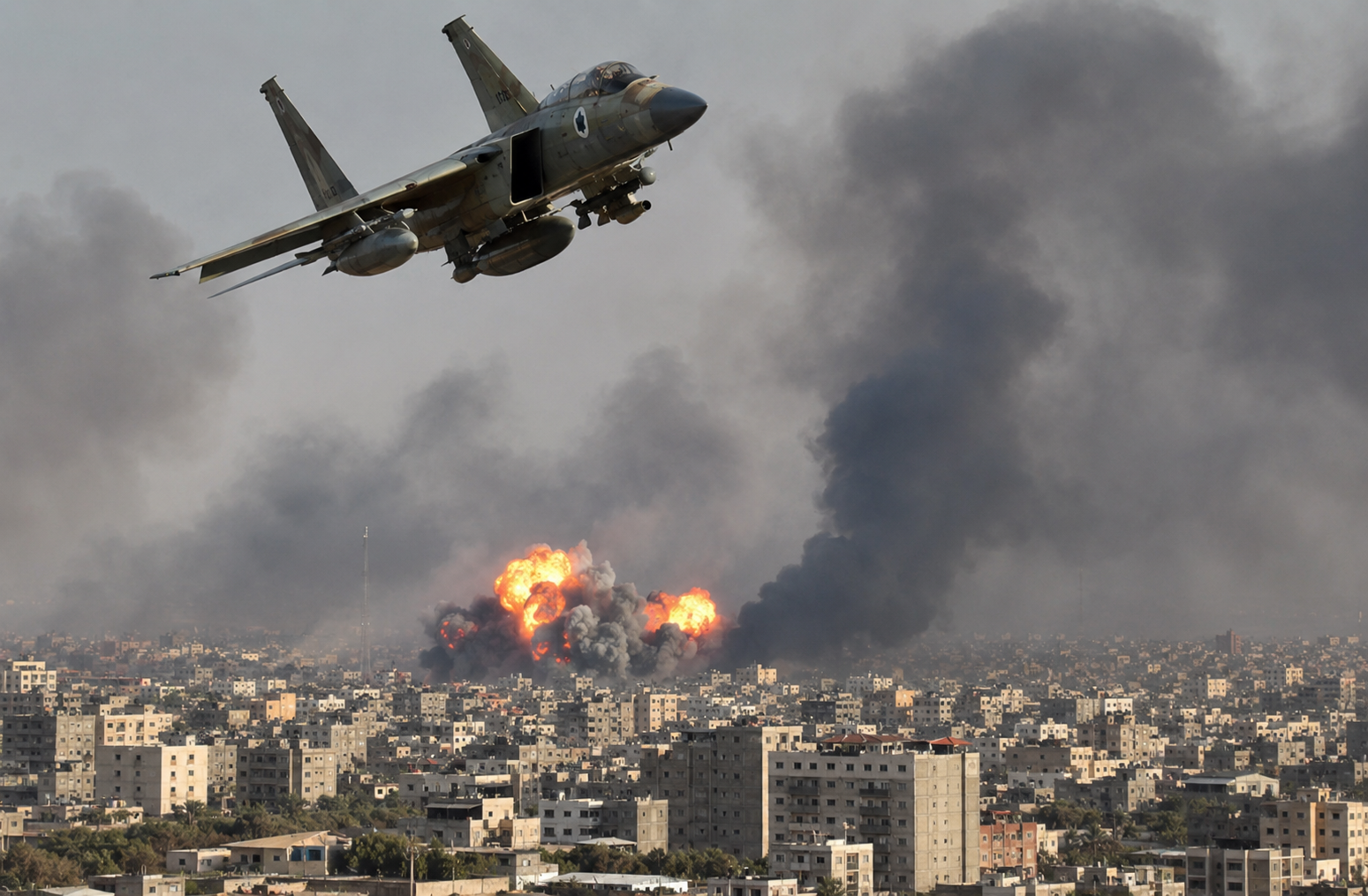
The fragile peace that briefly blanketed the Middle East has shattered with devastating speed. Following the collapse of the interim ceasefire and the launch of dozens of U.S. airstrikes against Iranian military targets, the specter of all-out war has returned. President Trump’s declaration at the Ankara NATO summit that the memorandum of understanding with Tehran is “over” does more than just slam the door on diplomacy; it signals an impending economic catastrophe. By abandoning negotiations in favor of offensive military action, Washington has reawakened a conflict that the global economy is profoundly ill-equipped to absorb. The immediate reaction of global markets offers a sobering preview of the financial shockwaves ahead. Brent crude’s swift 6% spike to $78 a barrel is a direct response to the vulnerability of the Strait of Hormuz—the world’s most critical energy chokepoint.
With Iran targeting commercial tankers and the U.S. moving to revoke oil sanctions waivers, energy infrastructure is once again a primary battlefield. A prolonged conflict threatens to choke off nearly a fifth of the world's petroleum supply and vital liquefied natural gas (LNG) transits. If these vital shipping lanes remain heavily contested, a permanent risk premium will bake into energy costs, driving oil prices to levels that could trigger a global industrial slowdown.
Beyond the gas pump, this geometric escalation threatens to derail an already fragile post-crisis economic recovery. The simultaneous drop in European stocks and the sudden spike in government bond yields reveal a market gripped by deep uncertainty. Investors are rightfully terrified of a renewed flare-up in global inflation. Just as central banks worldwide were beginning to tame the inflationary cycles of recent years, a massive spike in energy and maritime shipping costs will force interest rates to stay higher for longer. The resulting capital flight into safe-haven assets like the U.S. dollar will inevitably crush emerging market currencies and severely restrict international credit.
Furthermore, the domestic financial burden on American taxpayers will be staggering. Prior to the brief June ceasefire, the initial months of the conflict had already cost U.S. taxpayers over $113 billion in direct military expenditures. Resuming an "offensive" campaign, complete with potential operations against critical maritime hubs like Kharg Island, guarantees that hundreds of billions more will be poured into the Middle East. This massive wartime expenditure will rapidly expand the national debt, diverting vital capital away from domestic infrastructure, domestic manufacturing, and social safety nets at a time when the American public can least afford it.
Ultimately, there are no economic winners in a war of attrition. The International Monetary Fund’s immediate downgrade of the global growth forecast underscores the reality that military brinkmanship carries a tangible, compounding cost for everyday citizens worldwide. Aggressive rhetoric and sweeping military strikes might project strength on a summit stage, but they fundamentally destabilize the commercial networks that sustain global prosperity. If Washington and Tehran cannot find a way back to the negotiating table, the true casualty of this war will be the financial stability of the global economic system.










[[comment.comment_text]]