ONGC Ramps Up Efforts to Contain Gas Leak at Assam Well, US Experts to Join Operation

 1 year, 4 months ago
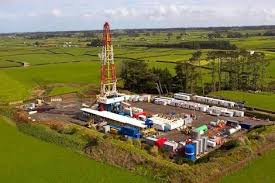
To control a persistent gas discharge at its Well RDS#147A in Assam, Oil and Natural Gas Corporation Limited (ONGC) has intensified containment operations, mobilising both domestic resources and international expertise.
A team of well control specialists from the United States is en route and expected to reach the site by the evening of June 20. Their arrival is aimed at strengthening ONGC’s response through advanced intervention techniques and specialised knowledge.
Multiple "junk shot" operations—where materials are injected to seal the well—have already been carried out using different combinations of substances and pressure settings. These attempts are part of a larger containment plan being executed by ONGC teams on the ground.
To enhance site safety and accessibility, ONGC has begun developing an alternate route to ensure smooth movement of personnel and machinery. Simultaneously, non-essential equipment and temporary accommodation units near the well are being relocated as a precaution.
Water blanketing operations are being conducted around-the-clock to mitigate fire hazards and maintain controlled conditions at the site. The company is also preparing for the next phase of intervention, which includes dynamic well-killing strategies—methods used to stop the flow from a well by pumping heavy fluids at calculated pressures.
Ambient air quality in the surrounding area is being monitored continuously. ONGC officials have confirmed that all parameters, including particulate matter and gas concentrations, remain well within permissible safety limits.
In addition to technical operations, ONGC is actively working with the district administration to support families affected by the incident. Relief measures and logistical assistance are being extended to ensure minimal disruption to local communities.
The public sector energy giant reiterated its full commitment to safeguarding both the local population and the environment, stating that every effort is being made in coordination with national agencies and international experts to resolve the situation at the earliest.










[[comment.comment_text]]