Why Gen Z is Upending Indian Public Life?

 2 months, 3 weeks ago
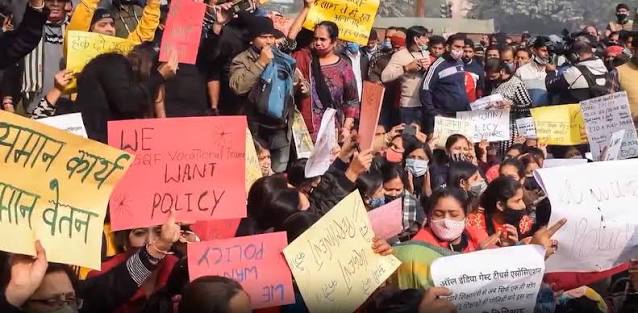
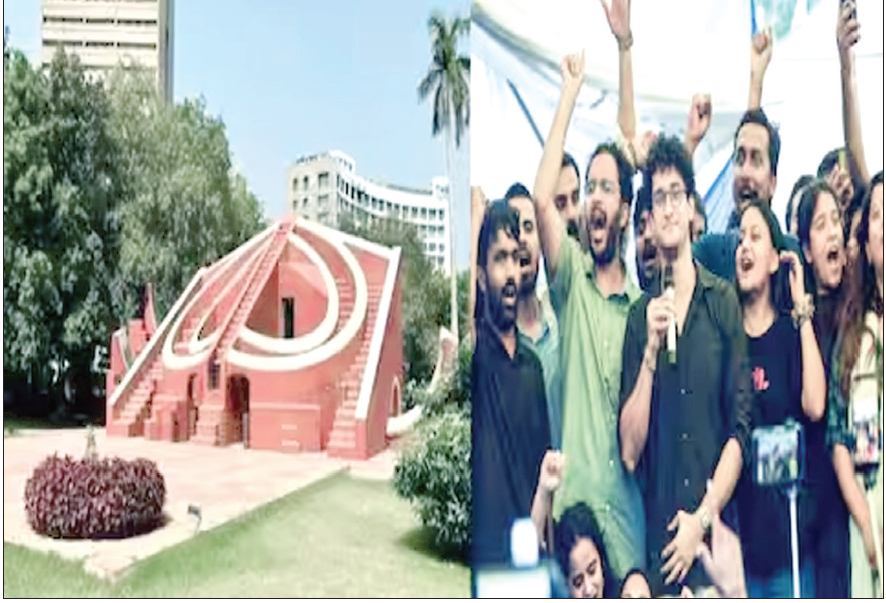
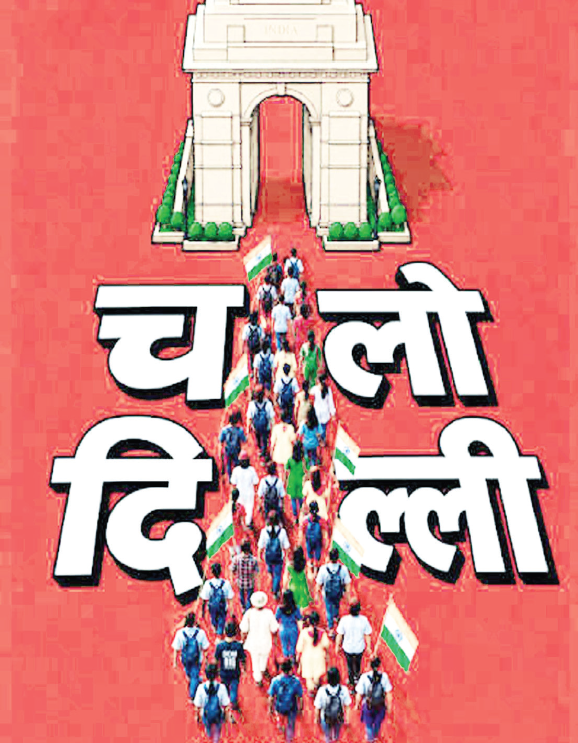
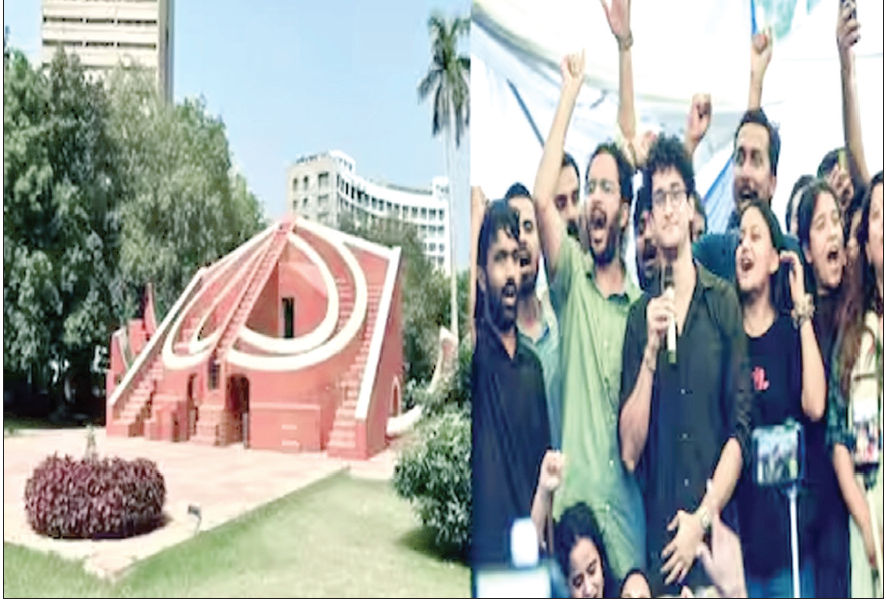
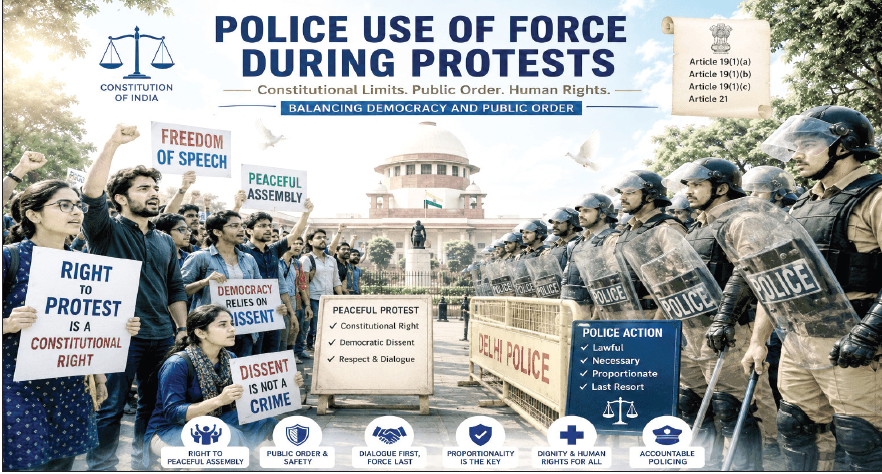
From ordering outside food at a McDonald’s table to demanding work-from-home privileges and mid-week off-days in job interviews, a new generation is quietly resetting social and professional norms. To older observers, this behavior often looks like unearned entitlement or a troubling lack of direction. Yet, the recent Jantar Mantar protests led by the Cockroach Janata Party (CJP)—which culminated in the resignation of Union Education Minister Dharmendra Pradhan over NEET irregularities—demonstrated that this perceived self-absorption sits alongside deep anxieties over unemployment, fierce competition, and uncertain futures. Far from being lazy, Gen Z possesses a fierce capacity for organized action when their core aspirations are threatened.
This emergent political force defies the conventional broad brushes used to painter entire generations. Gen Z is not a monolith; it encompasses first-generation graduates from rural families striving for white-collar mobility alongside urban youth navigating modern lifestyle trends.
What unites this diverse cohort is a unique blend of stubborn organization, viral memes, creative content, and tactful negotiation. By seamlessly blending references to historic icons like Bhagat Singh and B.R. Ambedkar with modern digital slang, their protest style reflects a fundamental shift in how public grievances are articulated. Stand-up comedians and short-form videos have largely replaced traditional op-eds and televised debates as their primary sources of political discourse.
For India’s established political parties, these developments represent a major structural challenge. Prime Minister Narendra Modi’s outreach efforts on platforms like Instagram suggest an awareness of this shifting demographic, but surface-level engagement often misses the mark.
Today's young voters prioritize authentic character over polished promises and top-down messaging. In many ways, the early stages of this movement mirror the founding of the Indian National Congress in 1885, which began as an elite push for institutional access before broadening into a mass political force. As demonstrated by recent shifts in state politics, such as C. Joseph Vijay’s TVK victory in Tamil Nadu driven heavily by digital campaigning, traditional welfare promises alone are no longer guaranteed to secure youth support.
Crucially, the divide between Gen Z and the political establishment is less about traditional Left-Right ideological battles and more about an evolving cultural language. When young protesters speak of being "gaslit" by institutions or use irreverent language to voice their frustrations, they are rejecting the genteel rhetoric of previous eras. Veteran politicians accustomed to a slower, more predictable style of governance—akin to Test match cricket—now find themselves forced to adapt to the fast-paced, unpredictable dynamics of a T20 game.
Navigating this new landscape will require political leaders to move beyond scripted outreach and invest in genuine listening. Gen Z is inherently skeptical of political handouts, quick to identify performative gestures, and willing to challenge established institutions. As political parties work to build lasting connections with these voters, they must recognize that old strategies will no longer yield the same results. Understanding the underlying priorities, anxieties, and communication styles of this generation is becoming an essential prerequisite for effective leadership in contemporary Indian politics.



[[comment.comment_text]]