Reimagining the Resource Bargain: From Concession to Strategic Control

 2 weeks, 6 days ago
Over a century ago, the global petroleum industry was shaped by sweeping foreign concessions—unilateral deals that gave western enterprise exclusive control over unexplored foreign reserves in exchange for modest cash upfront. As the true magnitude of oil wealth became clear throughout the twentieth century, the pendulum predictably swung toward resource nationalism. Producing nations progressively demanded greater profit shares, operational control, and eventual full nationalization. For decades, it seemed the debate over resource sovereignty was settled: foreign firms moved from masters of the fields to contractual partners operating under the shadow of national oil companies.
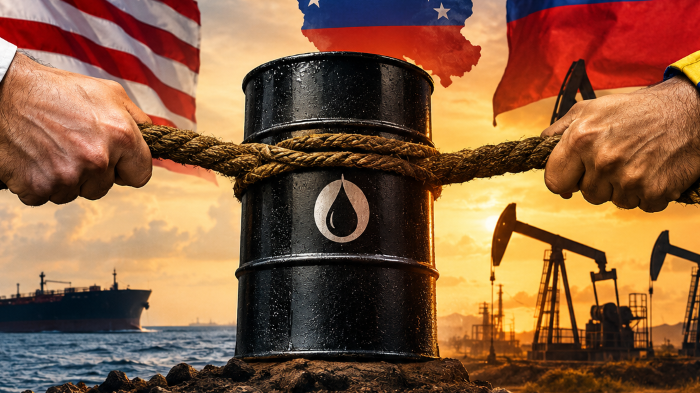
However, the recent landmark agreement between North American Blue Energy Partners and Venezuela signals that global resource politics may be entering a startling new epoch. Venezuela, despite holding the world’s largest proven oil reserves, finds its energy infrastructure crippled after decades of underinvestment and political volatility. Unlike the early concessions where the primary risk was geological discovery, today’s central challenge is capital, technological restoration, and market access. The new 100-year agreement over 65 billion barrels of reserves moves beyond simple rehabilitation—it creates an unprecedented hybrid model where long-term resource access meets direct state-backed governance.
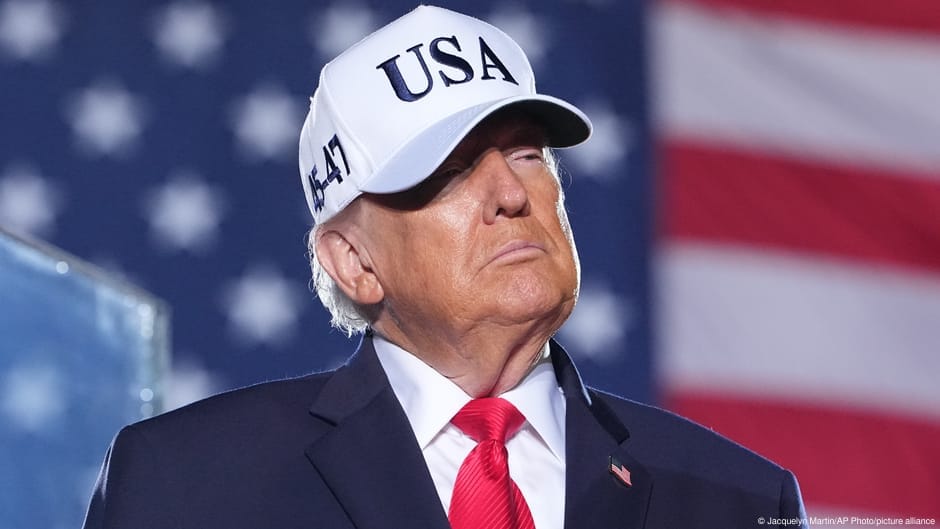
What makes this shift truly historic is not merely the presence of a private enterprise, but the unprecedented role assumed by the United States government itself. Washington is no longer just a diplomatic backer for domestic capital; it is becoming a direct shareholder and governance partner through equity interests, production purchase rights at cost, and board veto powers. Rather than moving toward national sovereignty, the structure reverses the traditional trajectory of oil contracts by embedding a foreign superpower directly into the ownership, distribution, and oversight of a sovereign country's resources.
This emerging arrangement reflects a profound shift in global geopolitics, where energy security is once again treated as an indispensable pillar of national defense. Major powers are no longer content to rely purely on commercial open-market purchases or long-term supply agreements. Instead, they are actively seeking structural influence over the capital, infrastructure, and corporate entities that control strategic commodities at the source. This hybrid approach blends old-world concession longevity with modern joint-venture corporate governance, redefining how major nations project power in key resource regions.
The implications of this experiment extend far beyond the Western Hemisphere, offering a potential blueprint for resource security in a multipolar world. For energy-dependent Asian economies like China, India, and Japan, which rely heavily on imported hydrocarbons, this model demonstrates a novel pathway for securing long-term strategic access through corporate participation rather than standard market contracts. If successful, this new paradigm could dismantle decades of established petroleum economics, replacing the era of simple national control with a complex landscape of state-backed corporate hegemony.








[[comment.comment_text]]