The Bottom Line of Diplomacy

 an hour ago
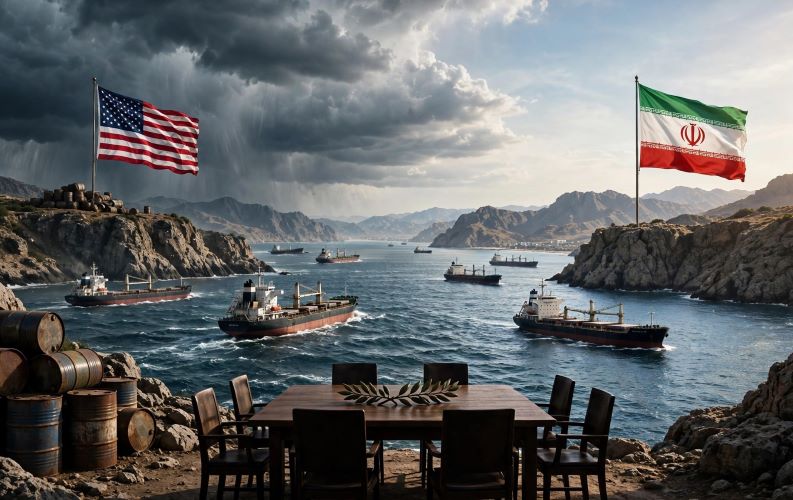
The calculated unpredictability defining US strategy toward Iran—alternating between threats of swift military action and overtures for peace—is less a coherent strategy than a reflection of deep divisions within the Trump administration. Neither President Trump, nor his MAGA constituency ever wanted a long-drawn war with Iran. One accepts it or not, US Vice President was assigned to work out for a negotiated peace when Israel forced it into a war on Iran on the last day of February. Today, caught between advisers advocating for immediate strikes, those urging diplomacy, and a third faction favouring continued containment, Washington appears frozen in place. Yet beneath the competing pressures from hawkish allies and cabinet secretaries lies a simple reality: neither Washington nor Tehran can afford an unchecked escalation. Ultimately, economic imperatives will force both sides to the bargaining table.
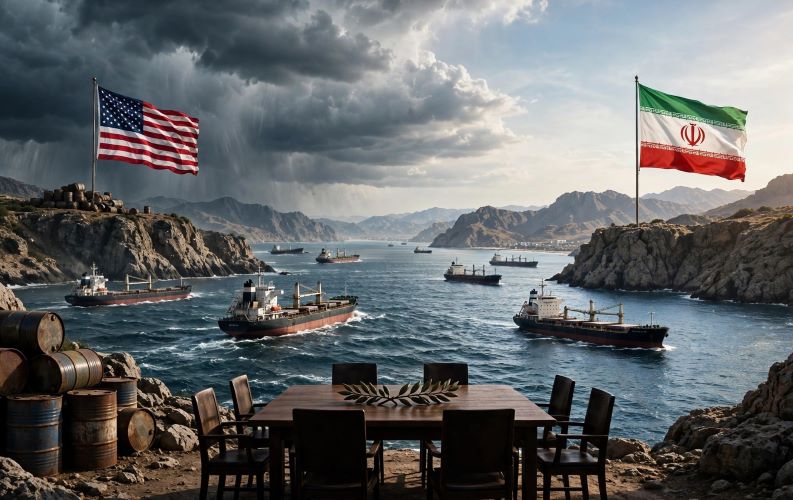
For the United States, the primary economic tether remains global energy stability and inflationary risk. Protracted turmoil in the Middle East directly threatens global shipping lanes and critical maritime choke points like the Strait of Hormuz. While military posturing can score short-term domestic political points, a full-scale conflict would spike oil prices, unsettle global trade, and undermine broader economic confidence. With energy markets already watching every diplomatic shift with extreme sensitivity, Washington faces a hard limit on how long it can sustain high-stakes Brinkmanship without inflicting collateral damage on its own economy.
On the other side, Iran's domestic economic crisis has reached an unsustainable breaking point. Years of crippling sanctions, compounded by internal instability, have depleted Tehran's foreign reserves, crippled its domestic fuel supply, and driven inflation to severe levels. While Iranian officials publicly project defiance and threaten military retaliation, the leadership’s strategic manoeuvrability is severely constrained by economic exhaustion.
Supreme Leader Mojtaba Khamenei granting conditional powers to the government to negotiate demonstrates that Tehran recognizes diplomacy as its primary escape route from severe economic distress.
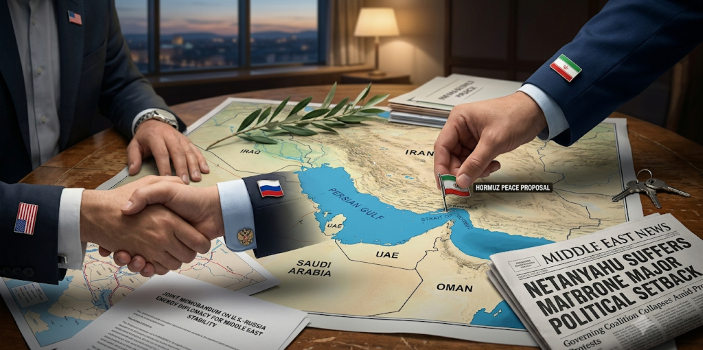
This convergence of economic pressures explains why Trump’s strategic ambiguity, though seemingly contradictory, remains anchored to leverage rather than immediate conflict. Maintaining economic squeeze alongside the threat of military action is designed to maximize bargaining power before formal talks resume. Meanwhile, Iran's willingness to offer targeted concessions—such as guaranteeing open shipping channels in exchange for sanctions relief—underscores that economic survival, not ideological posturing, is driving Tehran's core decision-making.
While internal rivalries in Washington and domestic politics in Tehran will continue to generate noise and mixed signals, economic forces operate on a far less flexible timeline. Neither country can indefinitely absorb the compounding financial costs of an unresolved crisis. As the burden of economic instability grows heavier for both nations, the path of pragmatic negotiation will inevitably eclipse the temptation of prolonged confrontation.




[[comment.comment_text]]