A Timely Realignment: Navigating the Complexities of U.S.-India Relations

 3 weeks ago
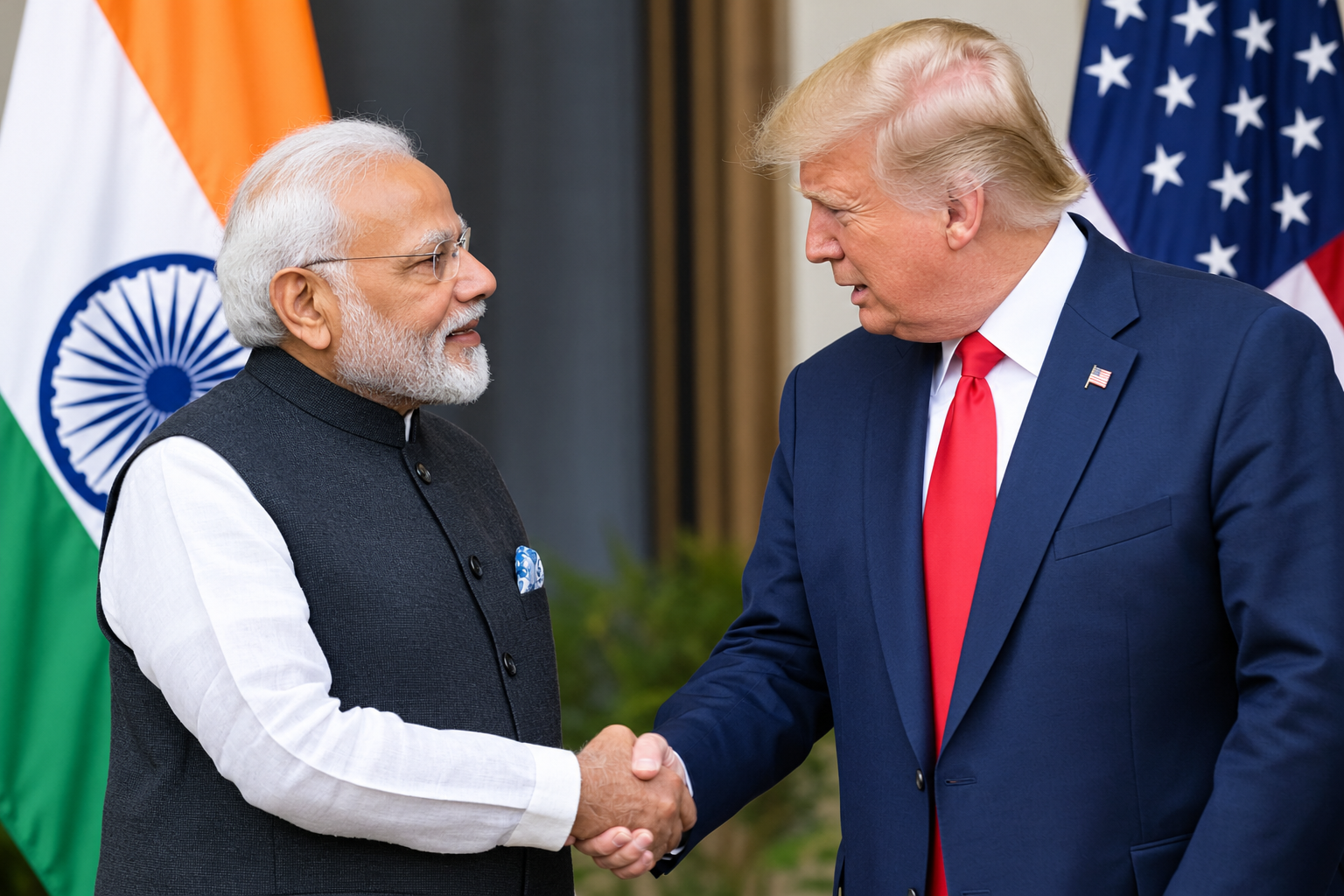
The recent phone conversation between Prime Minister Narendra Modi and U.S. President Donald Trump marks a critical point of engagement in the evolving landscape of India-U.S. relations. Highlighting shared objectives across trade, defence, energy, and critical technologies, both leaders reaffirmed their dedication to advancing the Comprehensive Global Strategic Partnership. In a world marked by persistent geopolitical flux and realignment, direct communication between top leadership serves as a vital anchor, ensuring that broad strategic goals remain aligned even as complex tactical differences arise.
At the heart of this engagement lies the multi-faceted nature of the bilateral relationship. Cooperation in defence and critical technology—spurred by initiatives linking innovation, supply chain resilience, and defense co-production—continues to provide a steady backbone for bilateral ties. Similarly, energy collaboration remains crucial as both nations navigate energy transitions while seeking stability in global supply networks. Reviewing progress in these domains underscores that the fundamental architecture of the partnership remains intact, built on shared democratic values and common strategic convergence in the Indo-Pacific region.
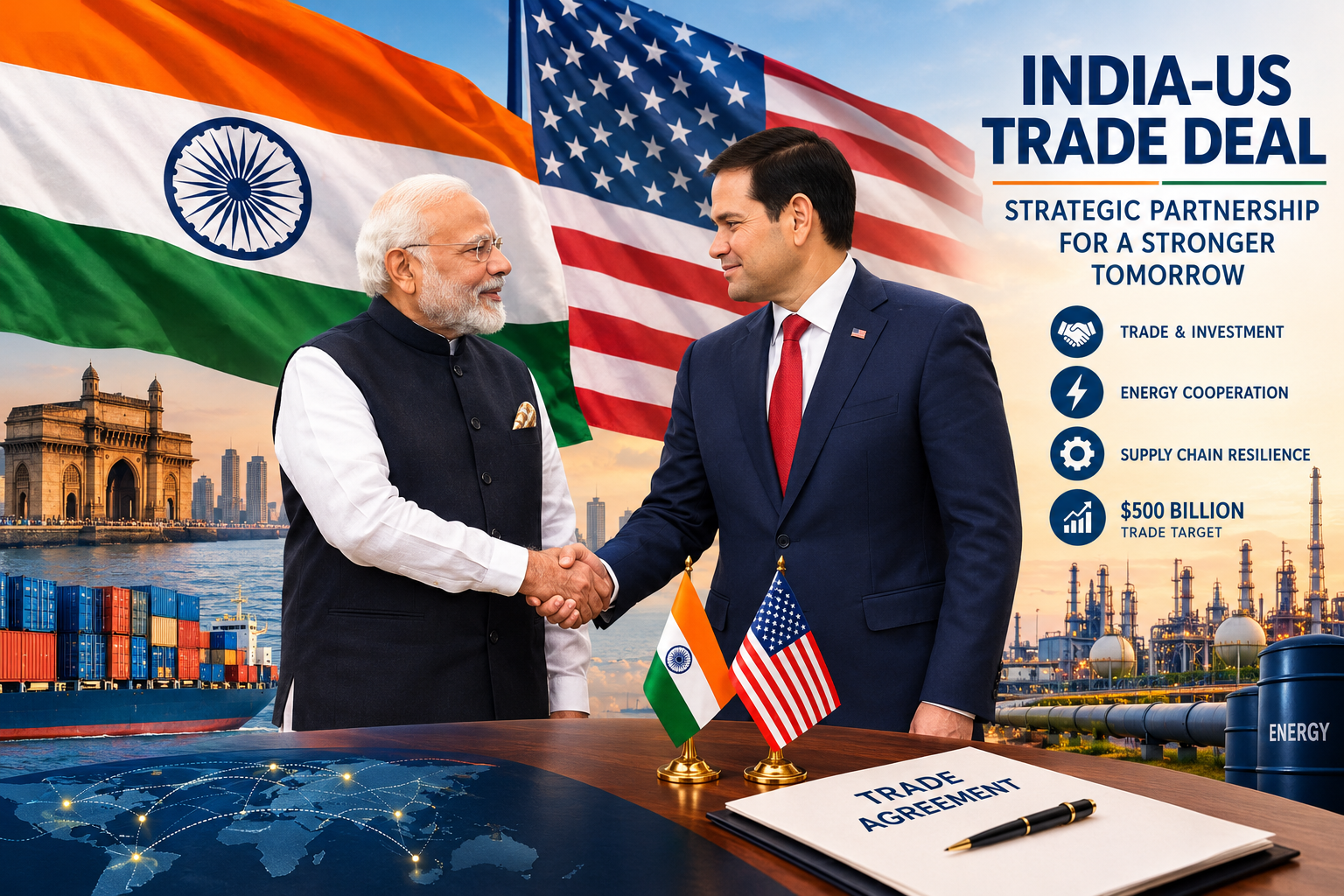
However, the diplomatic optimism surrounding top-level dialogue must be viewed alongside underlying friction points, particularly regarding economic policy and trade. As negotiations toward a bilateral trade arrangement reach critical phases, negotiators must navigate trade barriers, sector access, and tariff rules. President Trump’s trademark transactional focus on trade balances presents a delicate exercise for New Delhi, which aims to protect domestic industries while securing a balanced, mutually beneficial deal. Negotiating a stable consensus demands pragmatism and patience from both Washington and New Delhi.
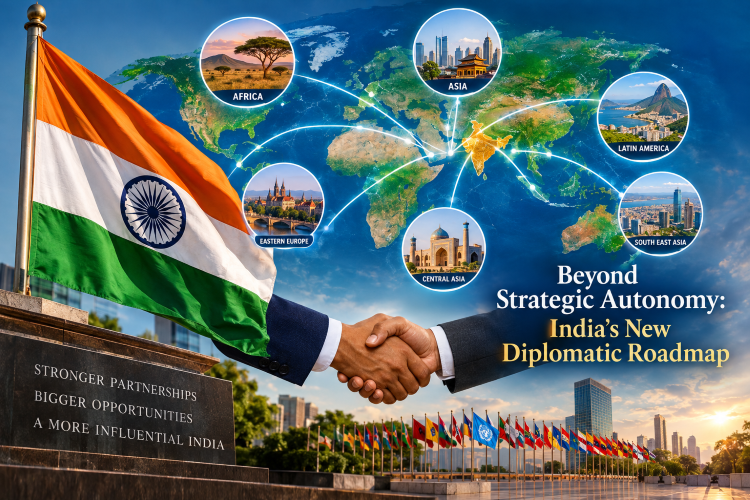
External geopolitical forces further complicate this economic balance, notably Washington's enforcement of international sanction regimes and tariff pressures. India’s steadfast commitment to strategic autonomy—demonstrated by its efforts to diversify energy imports while safeguarding national energy security—often collides with U.S. policy objectives. The ongoing exchanges over these issues illustrate that true strategic partnerships require room for principled disagreement, ensuring that national interests can be pursued without destabilizing the broader bilateral framework.
Finally, the Modi-Trump dialogue demonstrates that top-level consensus is essential for managing a complex relationship. By choosing to sustain close engagement, both leaders have signaled that the partnership is equipped to handle structural friction without losing momentum. Moving forward, translating these high-level commitments into concrete policy outcomes across trade, technology, and regional security will dictate whether the Comprehensive Global Strategic Partnership can successfully adapt to an unpredictable global order.








[[comment.comment_text]]