Closing the Six-Month Loophole: The Supreme Court Reminds Bihar That Executive Power Has Limits
 2 months, 3 weeks ago
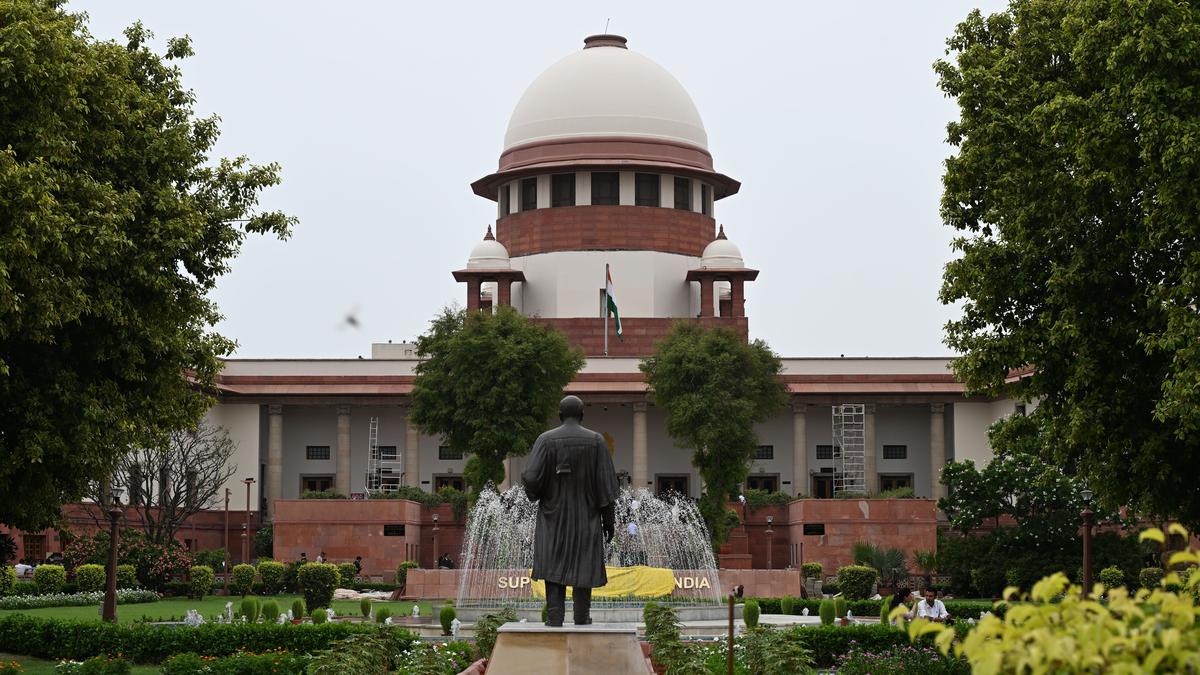
The Supreme Court’s sharp questioning of the Bihar government over the continued tenure of Panchayati Raj Minister Deepak Prakash strikes at the heart of India's constitutional governance. Under Article 164(4) of the Constitution, a non-legislator may be inducted as a minister for a grace period of up to six months, providing flexibility for political appointments provided the minister secures election to either house of the legislature within that window. Extending this concession beyond six months without fulfilling the mandatory electoral requirement directly undermines the bedrock principle of representative democracy, which insists that executive power must draw its legitimacy from the electorate.
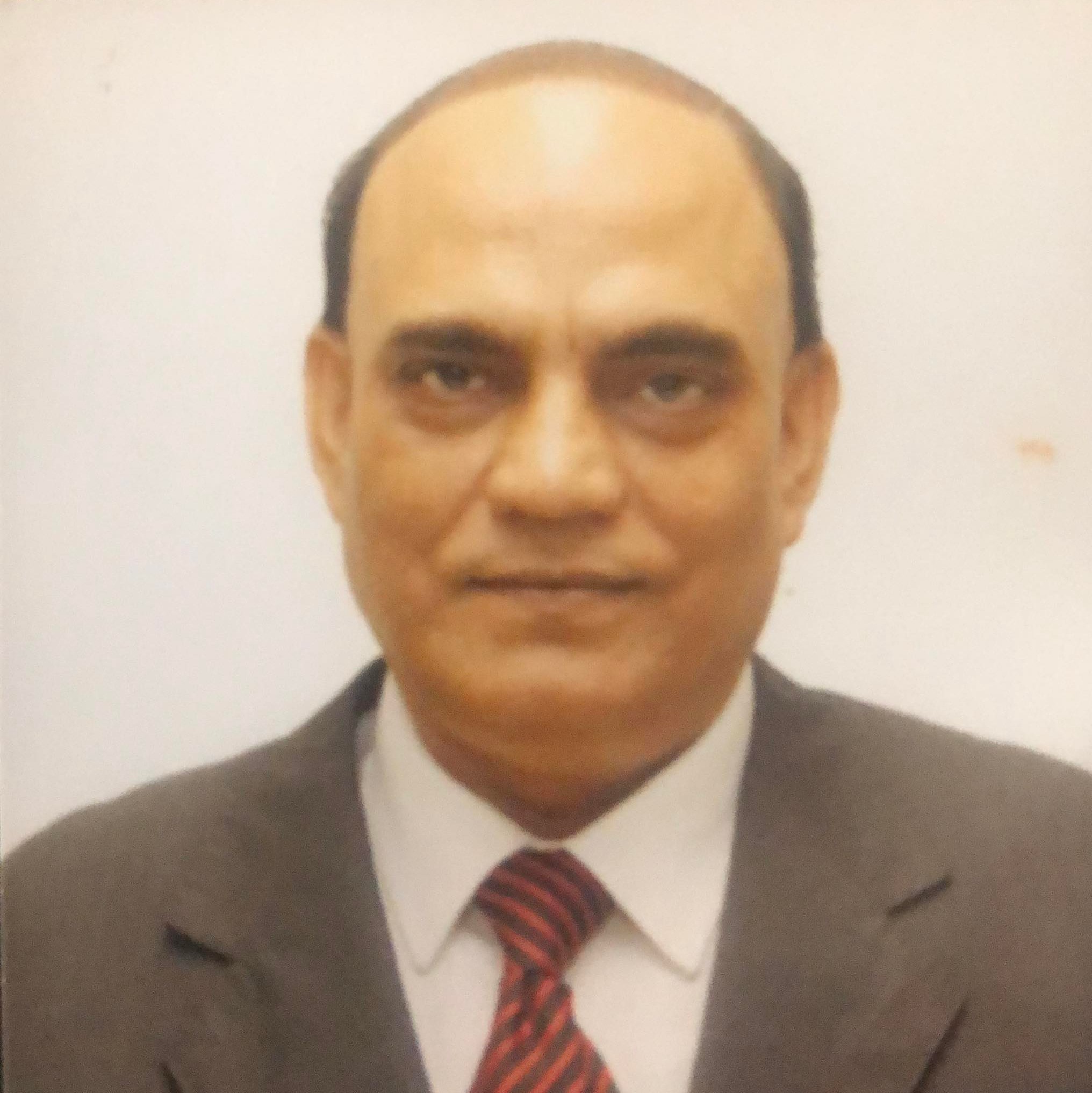
The situation surrounding Deepak Prakash illustrates a troubling bypass of this constitutional safeguard. Originally appointed on November 20, 2025, during Nitish Kumar’s tenure, Prakash failed to secure a seat in either the Legislative Assembly or the Legislative Council. Rather than vacating office upon the expiry of his six-month grace period on May 20, 2026, he was simply reappointed on May 7 under a newly formed council of ministers led by Chief Minister Samrat Choudhary. This tactical reset treats a temporary constitutional exception as a repeatable loophole, subverting the core intent of Article 164(4) and setting a hazardous precedent for state executives.
When a government uses administrative reshuffles to perpetually reappoint unelected ministers, it subverts the mandate of parliamentary democracy and collective responsibility. Ministers wield significant state authority, allocate public resources, and make policy decisions that bind millions of citizens; allowing individuals to hold such authority indefinitely without voters' endorsement erodes democratic accountability. As the petitioner rightly pointed out, the six-month window was designed as a rare, one-time leeway to allow a leader to gain democratic entry into the legislature, not a revolving door to bypass elections altogether.
The response from the Bihar government delaying its counter-affidavit while allowing seven months and 22 days to pass reflects a disturbing indifference to procedural oversight. By granting extensions without accountability, the executive signals that statutory boundaries can be stretched for political convenience. Chief Justice of India Surya Kant’s refusal to grant further delays serves as a necessary judicial intervention, making it clear that executive power, no matter how politically dominant, remains fundamentally subordinate to the text and spirit of the Constitution.
As the Supreme Court prepares to hear the matter on August 4, the outcome will resonate far beyond a single ministerial portfolio in Bihar. The court has a vital opportunity to firmly close this loophole and reaffirm that democratic legitimacy cannot be engineered through technicalities. In a constitutional republic, governments rule by law, not around it, and no political arrangement can be allowed to eclipse the constitutional mandate that ultimate authority rests with the elected representatives of the people.








[[comment.comment_text]]