The Price of Profit in Satya Niketan, South Delhi

 1 month, 2 weeks ago
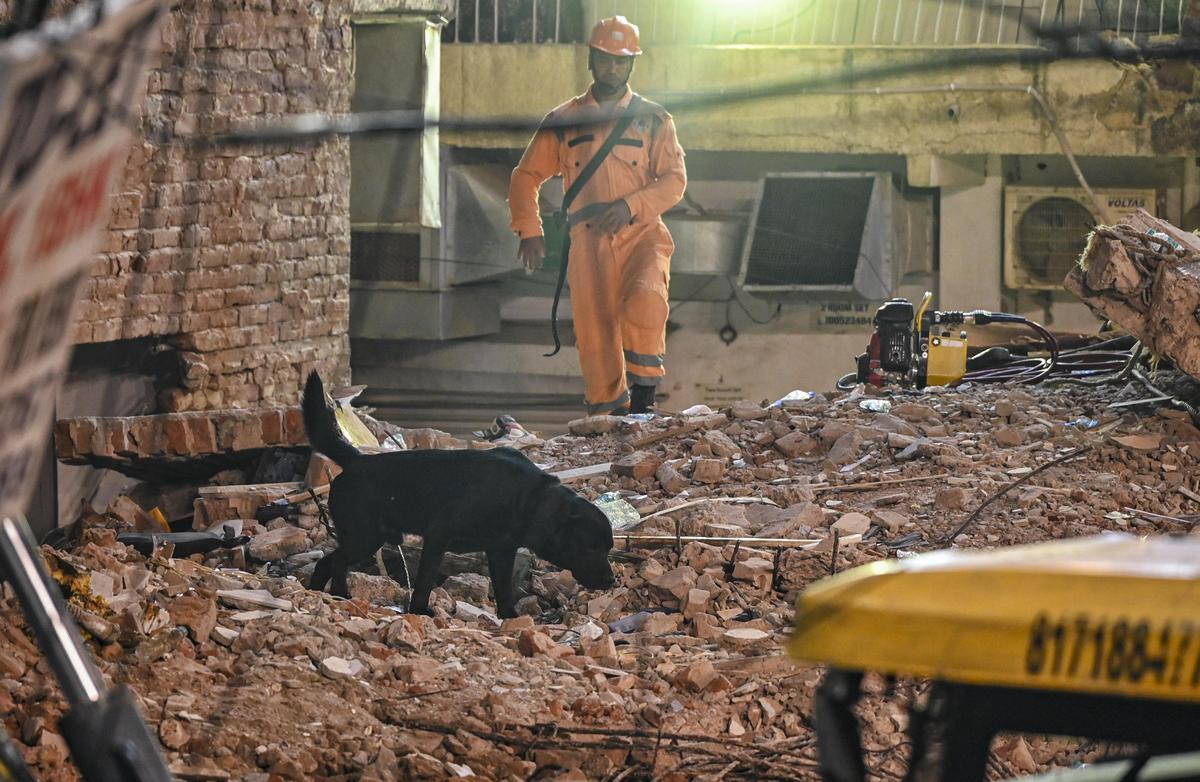
The arrest of a landlord following a fatal building collapse in South Delhi’s Satya Niketan—an incident that claimed seven lives, mostly students—is a familiar playbook of delayed retribution. While the government promises strict action against negligent civic officers, these standard administrative gestures bypass the core problem: the structural and institutional neglect that governs the area. Satya Niketan has effectively transformed from a residential neighborhood into an unregulated commercial hub designed to maximize rent yields at the expense of human safety.
The area's proximity to Delhi University's South Campus drives a continuous demand for student housing. Landlords capitalize on this demand by converting modest residential homes into multi-storey commercial hostels. Floors are added onto aging foundations without structural audits or regulatory oversight to fit as many tenants as possible. As thousands of students move in each academic year, the local civic infrastructure remains static, struggling under the weight of overcrowded buildings and unmonitored development.
The physical signs of this urban overload are evident throughout the neighborhood. Narrow alleys are flanked by disproportionately tall structures that block natural light year-round. Overhead, tangled electrical wiring hangs across streets crammed with fast-food stalls and heavy foot traffic. The spatial layout offers little room for emergency access or basic mobility, leaving residents to navigate an environment shaped entirely by density and lack of planning.
Inside these accommodations, conditions reflect a similar pattern of spatial exploitation. Landlords routinely charge substantial fees while offering minimal living space, cramming multiple students into small, poorly ventilated rooms. Common areas are frequently repurposed; hallways double as drying areas for laundry, and makeshift kitchens lack basic safety provisions, natural lighting, or adequate ventilation to accommodate the occupants safely.
Punishing individual building owners after a disaster occurs does not address the systemic factors that created the risk. Until local authorities institute strict structural standards, regular enforcement, and regulated housing options for students, residential areas like Satya Niketan will continue to operate under conditions where safety is secondary to commercial yield.









[[comment.comment_text]]