The Unspoken Mandate: Why Palestinians Are Watching Israel’s Election
 1 day, 1 hour ago
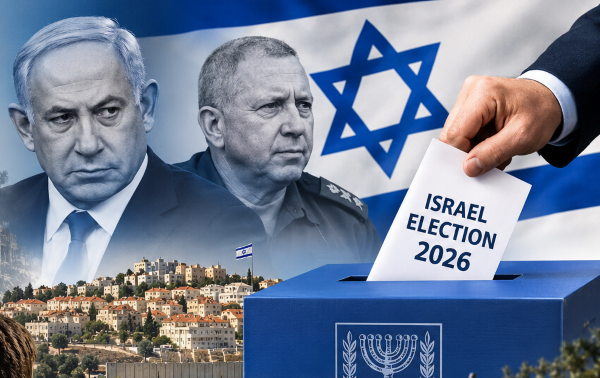
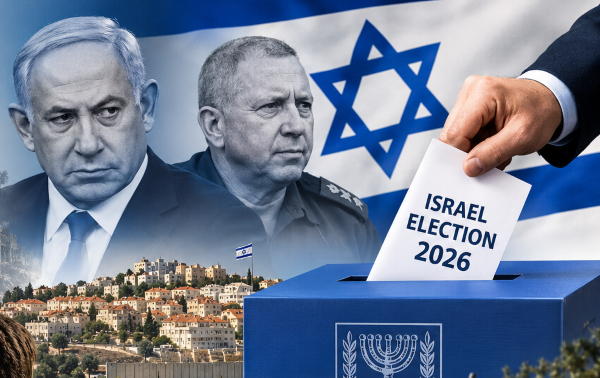
For millions of Palestinians living under military occupation in the West Bank and enduring the ruins of Gaza, Israeli elections have historically offered a grim choice between bad and worse. Disenfranchised by design, they possess no vote in the political system that governs their daily existence, movement, and survival. Yet, as Israel approaches its pivotal October 27 election—the first since the devastating hostilities triggered by the October 7, 2023 attacks—the stakes for Palestinians have crossed a threshold from political cynicism to absolute survival. For many, the outcome is no longer a question of policy nuance; it is existential.
Prime Minister Benjamin Netanyahu’s far-right coalition has overseen an unprecedented intensification of pressure across the Palestinian territories.
In Gaza, despite a cease-fire framework, ongoing Israeli strikes have claimed over 1,400 lives while expanding military control over the enclave. Meanwhile, in the West Bank, the government’s policy of "strangulation"—marked by economic blockades, the withholding of tax revenues, and the rapid expansion of more than 100 new settlements—has pushed the Palestinian Authority to the brink of collapse. Escapacities of unchecked settler violence during sacred traditions like the olive harvest further illustrate a leadership intent on entrenching rule and snuffing out any prospect of a Palestinian state.
The principal alternative to this status quo is Gadi Eisenkot, a former top general whose platform offers a distinct, albeit limited, contrast. While Eisenkot explicitly rejects Palestinian statehood and supports existing major settlement blocs, he advocates for dismantling illegal outposts, curbing extreme settler violence, and easing economic pressures on the West Bank. Furthermore, his willingness to engage with international peace initiatives and the Trump administration’s cease-fire plan for Gaza signals a departure from the open-ended military entrenchment and proposals for "voluntary emigration" championed by Netanyahu’s far-right allies like Finance Minister Bezalel Smotrich.
This contrast explains why Palestinians—from business owners in Hebron to displaced families in Gaza’s tent camps—are watching the election with unprecedented intensity. Few hold illusions that a change in Israeli leadership will yield a sudden breakthrough for national self-determination or an end to the occupation. However, Palestinian officials and civilians alike recognize that replacing the current administration could provide critical relief: a loosening of economic bottlenecks, greater access to humanitarian aid, and a halt to the deliberate destabilization of their communities.
Ultimately, the upcoming election exposes the profound paradox at the heart of the Israeli-Palestinian conflict. Millions of people whose lives, livelihoods, and futures hang in the balance remain entirely voiceless at the ballot box. While Israelis decide the domestic direction of their nation, the decision will simultaneously dictate whether Palestinians face four more years of existential containment or a desperate chance at baseline stability. Even without a vote, the Palestinian people are bound to the outcome of an election that may determine their very ability "to be or not to be."






[[comment.comment_text]]