India’s Washington Blind Spot

 3 weeks, 1 day ago
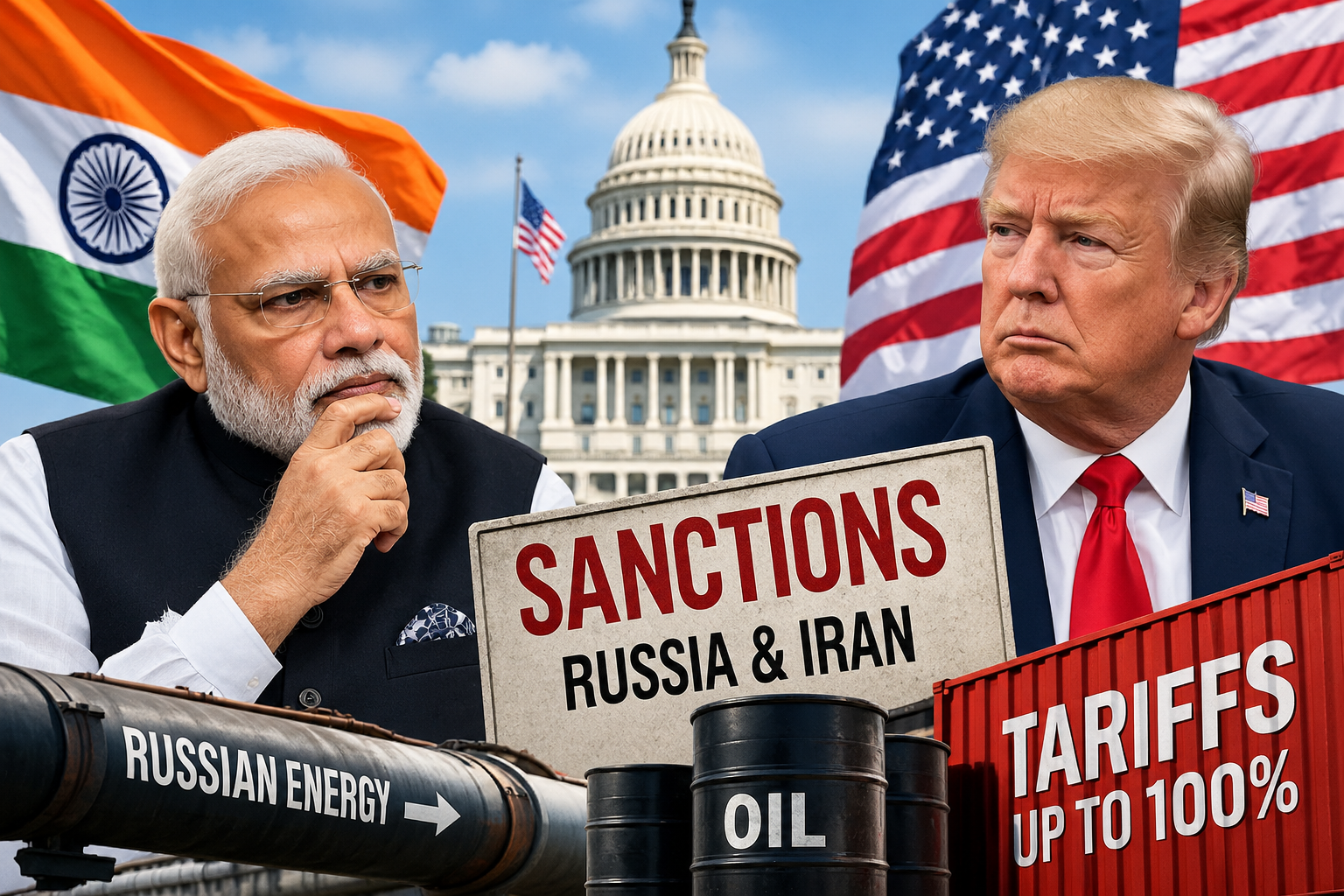
The Lindsey O. Graham Sanctioning Russia and Iran Act of 2026 should be a sobering wake-up call for New Delhi. By empowering President Donald Trump to impose tariffs of up to 100 per cent on major importers of Russian energy, the legislation has placed India under potentially severe economic pressure. But the deeper problem lies beyond the immediate threat of tariffs. The episode has exposed a serious weakness in India’s Washington strategy: an excessive reliance on executive diplomacy while allowing engagement with the U.S. Congress to lose momentum. Access to the White House, however important, cannot substitute for sustained influence on Capitol Hill.
India’s vulnerability has been compounded by the contraction of its lobbying presence in Washington. Following the strains in bilateral relations after Operation Sindoor, New Delhi invested considerable diplomatic energy in prolonged negotiations with the Trump administration. At the same time, its congressional lobbying network reportedly shrank from a broader presence that had included firms such as Cornerstone Government Affairs and BGR Government Affairs to a single account with Mercury Public Affairs. With inadequate bill-level monitoring and limited outreach to House and Senate committees, India was left scrambling when Congress moved against countries importing Russian energy.
Other countries demonstrated the value of sustained congressional engagement. Hungary and Japan sought exemptions and extensions for strategic energy interests, while South Korea secured important financial waivers. Ukraine, too, mounted an intensive campaign on Capitol Hill that helped advance the legislation through the House despite expectations of legislative gridlock. The lesson is straightforward: in Washington, legislative influence is built through persistent, bipartisan engagement, not through last-minute lobbying when a bill is already moving. India’s case for Russian energy purchases—rooted in energy security, affordability and economic necessity—needed to be made consistently before the legislation reached the final stages.
The immediate challenge is compounded by the legislation’s 180-day reassessment mechanism, which could subject India to repeated scrutiny and pressure. With Congress entering recess, New Delhi has only a limited window to engage lawmakers and congressional staff while continuing negotiations with the administration. The issue therefore cannot be treated as a one-off diplomatic emergency. It requires sustained engagement with influential members of both parties, relevant committees and emerging political constituencies whose views could shape future legislation affecting India.
The larger message for New Delhi is unmistakable: Washington cannot be approached solely through the White House. Congress has its own institutional authority, political dynamics and influence over sanctions, tariffs and foreign policy. India must therefore rebuild a broad bipartisan presence on Capitol Hill, strengthen its professional advocacy network and establish continuous, bill-level monitoring of legislation affecting its interests. The current crisis should not merely prompt another round of emergency diplomacy; it should force a fundamental rethink of India’s Washington playbook. In American politics, relationships built before a crisis are often more valuable than arguments made after one has begun.







[[comment.comment_text]]