Beyond the Comfort Zone: Rethinking India’s Strategic Horizon

 2 hours ago
Indian foreign policy is increasingly trapped in the semantic comfort zones of "strategic autonomy" "multi-alignment," and “neighbours first, risking diplomatic stagnation. In a competitive real-world order, the traditional pursuit of pleasing everyone is a futile endeavor. To reclaim its diplomatic momentum, New Delhi must transcend outdated mental models and shed the compulsion of universal approval, recognizing that true influence stems from decisive, interest-driven choices rather than passive balancing acts.
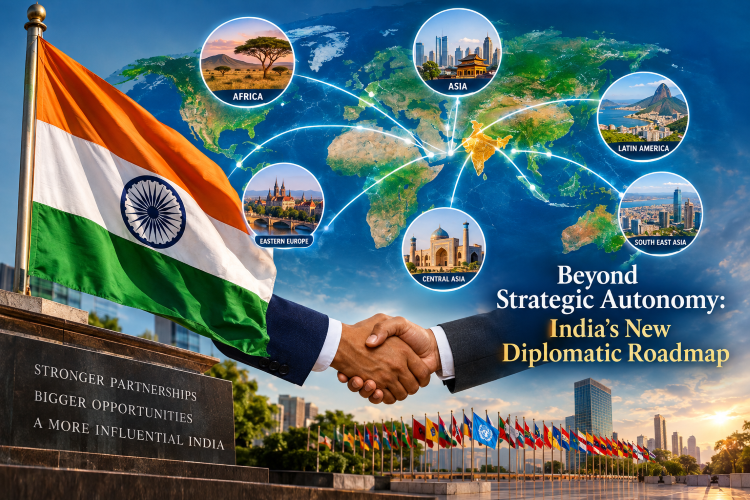
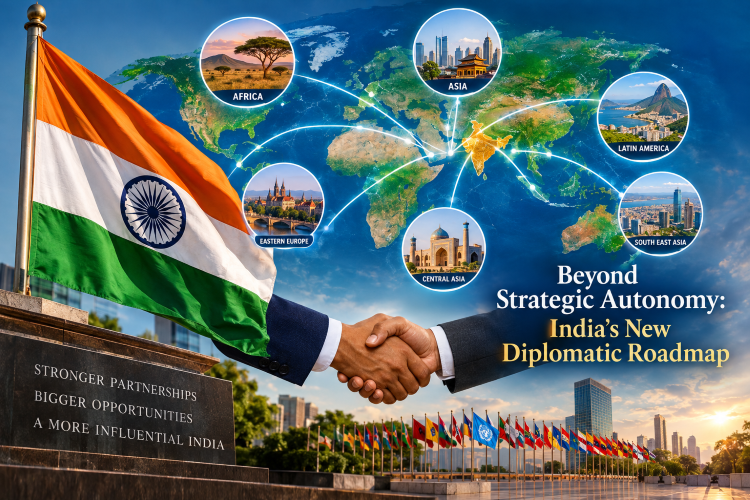
A revitalized diplomatic roadmap requires a focused, three-pronged pivot. First, India must maximize its leverage with influential global players while deeply engaging the developing and underdeveloped nations of Asia, Africa, and Latin America. Second, New Delhi should build robust, special ties with nations situated just beyond its immediate, perennially troubled neighbors. While immediate borders are unchangeable and local friction remains a constant, secondary nations often offer vastly superior warmth, reciprocity, and untapped economic potential.
Furthermore, India possesses a unique opportunity to expand its footprint by offering its skilled workforce and technical expertise particularly to regions like West and North Africa, Latin and South America, most of South East Asia, entire Central Asia and all of Eastern Europe. Governments and enterprises in these areas are eager for reliable partnerships, viewing India as an anchor of capability. By capitalizing on this goodwill, India can position itself as an indispensable partner for countries seeking alternatives to traditional power centers, amplifying its soft-power dividends globally.
Regionally, it is time to outgrow the persistent preoccupation with immediate, volatile neighbors like Pakistan or Bangladesh. South Asian geography ensures that regional trade and transit rely fundamentally on Indian land and air routes, rendering hand-wringing over hostile or unstable neighbors counterproductive. By looking past immediate distractions and focusing on expansive diplomatic frontiers, India can project greater confidence and command structural respect across wider international arenas.
All said and done, India’s greatest asset abroad remains its vibrant democracy, syncretic society, and secular polity, which heavily enhances its global appeal. However, external credibility is inextricably linked to internal cohesion; keeping an ethnically and religiously diverse nation unified is a prerequisite for external strength. If New Delhi is to lead on the world stage, it must decisively rein in domestic religious and divisive rhetoric, ensuring that its democratic values are practiced sincerely at home to secure its destiny abroad.









[[comment.comment_text]]