A Stern Warning On Voter Fatigue For the Ruling Coalition in Bihar

 2 months, 2 weeks ago
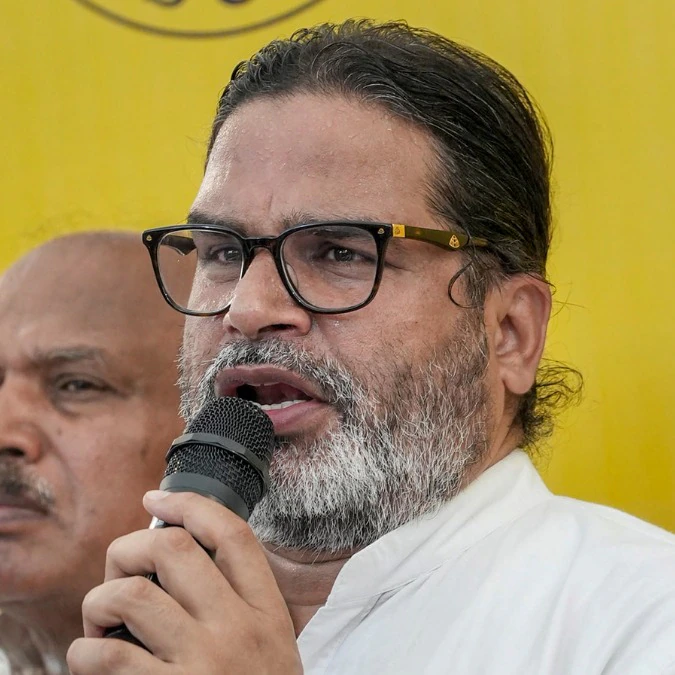
The Bankipur assembly by-election result marks a seismic political shift in Bihar, far transcending the boundaries of a single urban constituency. For nearly three decades, Bankipur stood as an impregnable BJP stronghold, serving as a reliable symbol of the party's urban dominance. Prashant Kishor’s breakthrough victory here not only ends the BJP’s unbroken streak since 1995 but also signals the arrival of a genuine third force in a state historically defined by bipolar rivalries.
The defeat represents the first major electoral setback for Chief Minister Samrat Choudhary’s administration, exposing uncharacteristic vulnerabilities within the ruling party's formidable machinery. Organizational missteps—including a late candidate replacement—undermined the BJP's campaign despite high-decibel deployment by senior leaders and former MLA Nitin Nabin. By framing prolonged dominance as a breeding ground for governance complacency, Kishor successfully converted a low-turnout by-election into an acute referendum on the new state leadership.
For Prashant Kishor and his Jan Suraaj Party, the verdict serves as a critical proof of concept. Having faced persistent skepticism following the 2025 Assembly elections over whether a high-profile strategist could translate managerial acumen into personal electoral success, Kishor’s transition to an elected representative fundamentally alters his political trajectory. His campaign relied less on extravagant promises and more on direct voter engagement, personal integrity, and accountability, which resonated with an electorate fatigued by conventional partisan choices.
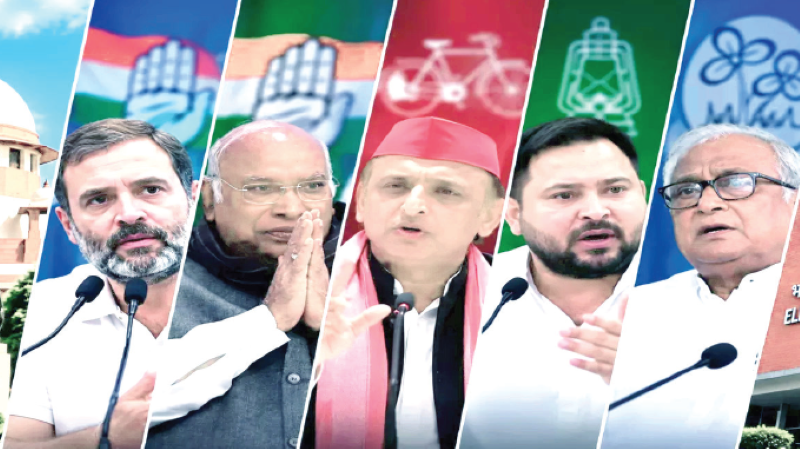
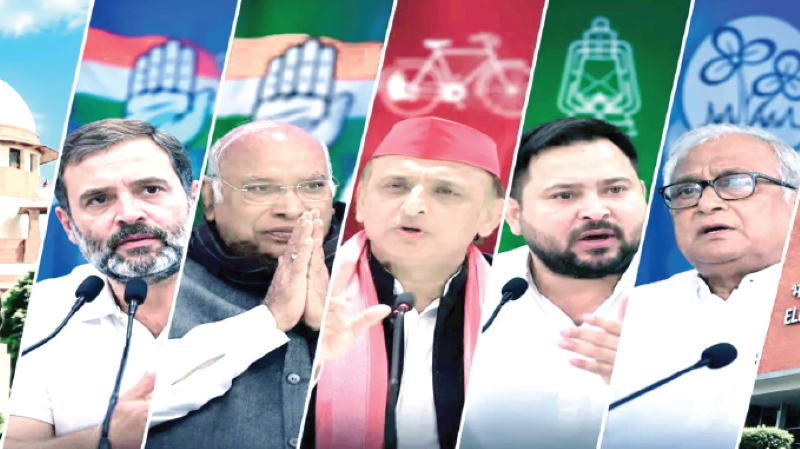
The broader opposition dynamics are equally reshaped by this verdict, with the Rashtriya Janata Dal relegated to a distant third. The outcome underlines the RJD’s ongoing struggle to capture urban anti-incumbency, while simultaneously validating Kishor’s thesis that many voters default to the NDA merely to block an RJD return. With a viable third option now on the ballot, tactical voting patterns in Bihar appear far more fluid than traditional caste calculations have long suggested.
While a single by-election cannot permanently rewrite the political grammar of a complex state like Bihar, Bankipur has crossed a vital psychological threshold. It delivers a stern warning to the BJP against electoral complacency, exposes the structural limits of the traditional opposition, and establishes Jan Suraaj as a viable mainstream option. Bihar's political map may not have been entirely redrawn overnight, but its contours have unmistakably begun to shift.








[[comment.comment_text]]