BLUE REVOLT IN THE RED HEARTLAND: DEMOCRATS SWEEP CONGRESS MIDTERM ELECTIONS


 1 week, 2 days ago
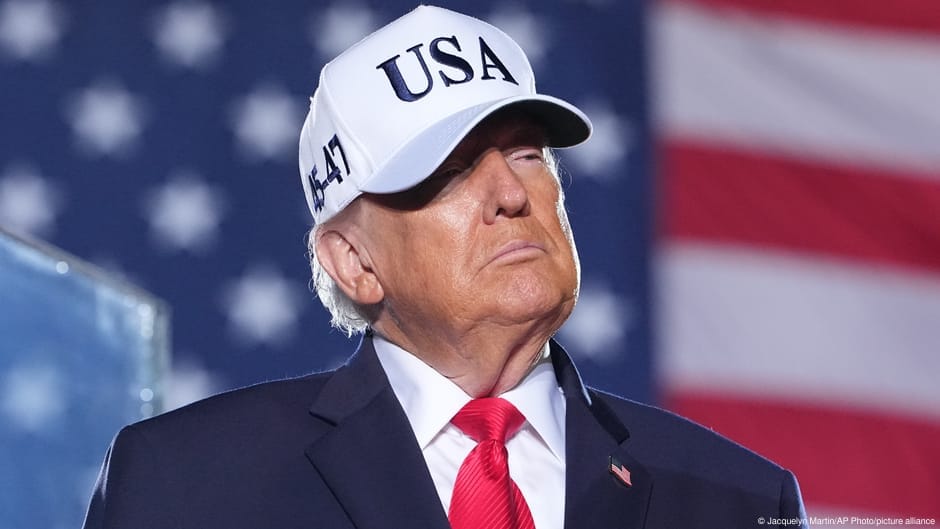
The 2026 American midterm elections have delivered a historic rebuke to Donald Trump and the Republican Party, redrawing the political landscape in Washington. Voters handed control of both the House of Representatives and the Senate to the Democrats in a sweeping wave reminiscent of 2006 and 2018. Crucially, the defeat breached deep inside traditional Republican strongholds, highlighted by Democratic victories in high-profile Texas statewide races and gains across the Midwest and South. Driven by widespread public dissatisfaction with foreign intervention, mounting inflation, and controversial domestic policies, the electorate sent an unmistakable message that effectively curtails the administration’s legislative momentum for the remainder of its term.
At the heart of this electoral realignment was a failed political strategy upended by unexpected escalation abroad. Strategic plans to focus on domestic policy collapsed when conflict with Iran drove global oil prices past $100 a barrel, compounding cost-of-living anxieties across American households. Public frustration with rising prices, coupled with aggressive immigration enforcement actions, alienated moderate and independent voters while weakening the administration's core economic coalition. Coupled with controversial primary endorsements and high-profile intra-party disputes, the party found itself on the defensive even in reliably red districts.
The resulting power shift fundamentally alters the balance of governance in Washington. With Democrats holding majorities in both chambers, the White House now faces intense congressional oversight, mandatory subpoenas, and tight control over federal purse strings, including war funding and executive spending. In the Senate, the Democratic majority gains full authority to block judicial and executive nominations, effectively halting the administration’s ability to reshape the federal judiciary or fill key diplomatic posts. The administration now enters a phase defined by executive orders, widespread vetoes, and judicial arbitration.
Beyond immediate legislative gridlock, the midterm verdict dramatically reshapes the road to the 2028 presidential election. Key figures within the party, including Vice President JD Vance, face significant headwinds after high-profile losses in critical states like Ohio, opening space for rival factions and more conventional figures to reassert control. Meanwhile, the emergence of prominent Democratic winners across formerly safe Republican territories alters the electoral map, forcing both parties to recalibrate their national strategies heading into the next presidential cycle.
For global politics and international relations, this outcome signals a shift toward heightened oversight and foreign policy constraints. While the administration retains authority over tariffs and personal diplomacy, a hostile Congress will closely scrutinize foreign military expenditures, diplomatic appointments, and international agreements. For key partners like India, while core strategic and defense convergence remains anchored by bipartisan support, foreign policy execution will require active engagement with a newly empowered Democratic congressional leadership, ensuring continuity through a period of divided governance in Washington.









[[comment.comment_text]]