UN says Yoga practice helps to ease pandemic stress as world marks international Yoga day

 5 years, 3 months ago
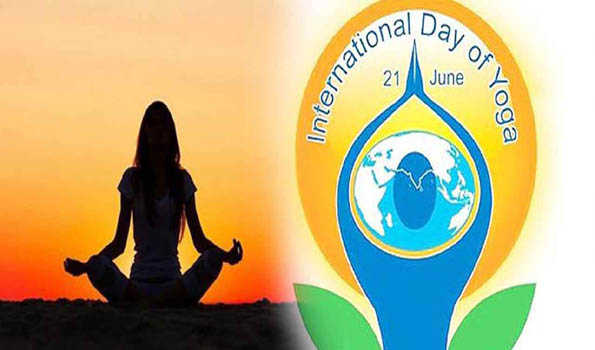
New York, International Yoga Day, celebrated on Monday, aims to raise awareness of the mental, physical, and spiritual benefits of the practice which continues to gain popularity worldwide, with the UN stressing that yoga is especially helpful to deal with the COVID-19 pandemic stress.
The idea of declaring an International Day of Yoga at the UN was proposed by the Indian Prime Minister Narendra Modi in his address to the UN General Assembly in September 2014. Modi suggested that 21st June, the summer solstice, has special significance in many parts of the world and could be considered for adoption as the International Day of Yoga by the UN.
With its origins in India, yoga is gradually gaining popularity worldwide, with experts saying that their physical, mental, and spiritual discipline can help people lead a healthier lifestyle. This year, due to the pandemic, the majority of the events will be organized online.
In 2021, the holiday is celebrated under the motto "Yoga for well-being", which is relevant for the complicated period the world is experiencing due to the ongoing COVID-19 pandemic. In its statement dedicated to the upcoming yoga day, the UN said that there is an urgent need to address not only the physical aspect but the mental health dimension of the pandemic.
"The message of Yoga in promoting both the physical and mental well-being of humanity has never been more relevant. A growing trend of people around the world embracing Yoga to stay healthy and rejuvenated and to fight social isolation and depression has been witnessed during the pandemic," the UN said.
The global organization noted that yoga is also playing a vital role in the rehabilitation of COVID-19 patients and helps to ease their fears and anxiety.
Since the introduction of the holiday, Russia has been marking the day with yoga lessons, celebrations and festivals. This year, due to the COVID-19 pandemic, the events will be mostly held in online formats.
"The main message of yoga – the oneness of mind and body and the strength that comes to health from the internal strength – has been put to the test during these 18 months of COVID pandemic. Therefore the meaning of yoga, the practice of yoga, the importance of yoga has been appreciated by more people than before," Indian Ambassador to Russia D. B. Venkatesh Varma said.
(Agencies)










[[comment.comment_text]]