Trudeau Notes 'Tonal Shift' in Canada-India Relations Amidst Allegations of Pannun Murder Plot
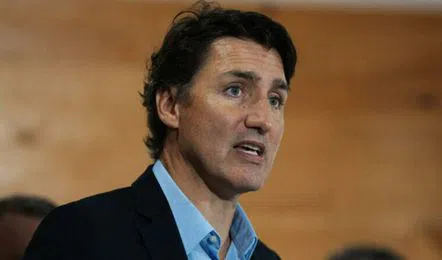

Justin Trudeau observes changes in diplomatic dynamics following US indictment of Indian national in foiled conspiracy

New Delhi, EW News Desk : Canadian Prime Minister Justin Trudeau has signaled a noticeable shift in the tone of Canada-India relations, attributing it to recent developments surrounding the alleged plot to murder a prominent Khalistani terrorist figure, Gurpatwant Singh Pannun. The change in atmosphere comes after US authorities indicted an Indian national in connection with the foiled assassination plot.

During a press conference held [today/yesterday], Trudeau acknowledged the evolving dynamics, stating, "We have sensed a tonal shift from India in recent days, particularly following the allegations made by US authorities regarding the planned murder of Mr. Pannun. This has naturally influenced the dialogue between our nations."

The Indian national in question, whose identity has not been disclosed due to legal considerations, was charged by US authorities for his alleged involvement in a conspiracy to assassinate Pannun, a known Khalistani separatist leader. The foiled plot has raised concerns and has drawn international attention to the complexities surrounding regional security and anti-terrorism efforts.

Trudeau emphasized the importance of maintaining open lines of communication with India, stating, "It is crucial that we engage in transparent and constructive discussions with our international partners. The recent developments highlight the need for ongoing dialogue to address shared concerns and work towards a more stable and secure world."

The Canadian government has not yet revealed specific details about the nature of the 'tonal shift' mentioned by Trudeau, and it remains to be seen how the diplomatic relations between Canada and India will evolve in the coming weeks in light of these recent developments. As the situation unfolds, the global community will be closely watching for further updates and potential implications on regional cooperation and security.
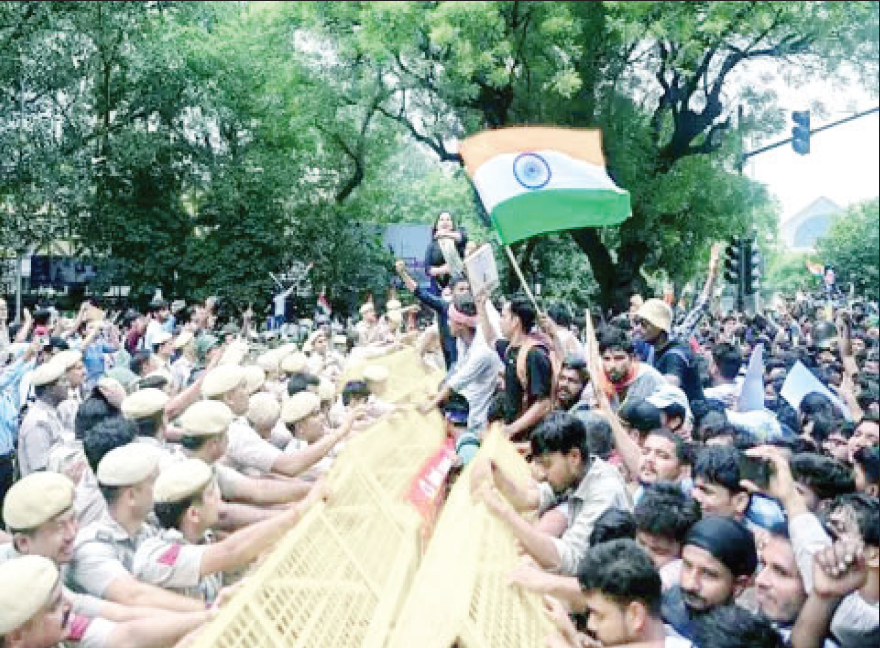
A Spark Already Lit: The End of Sonam’s Fast Won't Quench the Fire

It is the 18th day as of 16th July 2026. For eighteen days, Sonam Wangchuk the visionary engineer, the educator who taught an entire generation that learning could be joyful, the man who inspired millions to think innovatively has been lying on a makeshift bed at Delhi’s Jantar Mantar. He has consumed nothing but salt water. According to medical bulletins released by the youth-led Cockroach Janta Party (CJP), his body weight has plummeted by nearly 9 kilograms, dropping dangerously to 57.15 kg.

Khushboo Jha   |  5 days ago

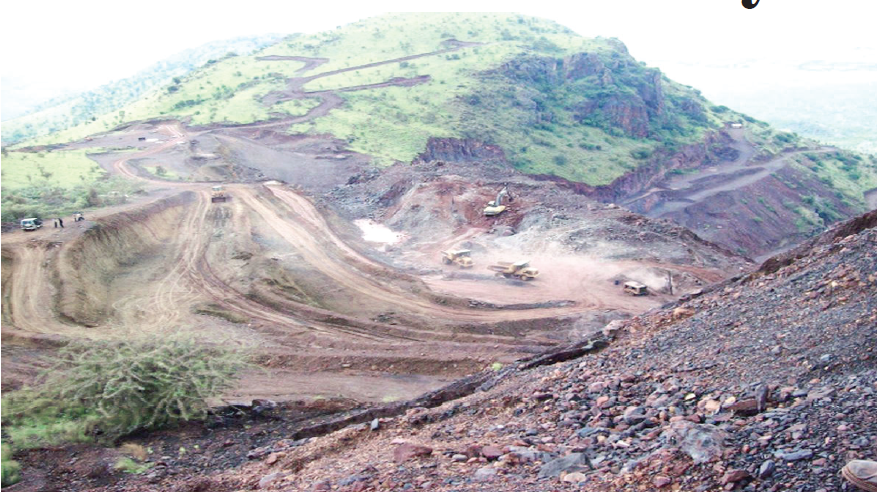
India’s Highway Dream Is Costing Us a Fortune — And Nobody Is Asking Why?

There is a photograph that the Ministry of Road Transport and Highways loves to circulate. A freshly laid six-lane expressway stretches into a golden horizon. Smooth asphalt. Clean white markings. The kind of road that makes you believe, for a brief and generous moment, that India has arrived. Minister Nitin Gadkari has built an entire political identity around such photographs — and to be fair, he has earned some of it. When I began my career as a cost engineer on national highway projects in 2010

Ashok Bharti   |  5 days, 7 hours ago

HEATWAVE CONDITIONS AND STATES’ FAILURE TO CONSERVE & PLANT TREES

Temperature soared across the entire European continent in the latter half of June and early July. France, the Netherland and Belgium recorded 3700 excess human deaths and authorities warned that these numbers are preliminary and may even rise. People above 50 years of age accounted for larger proportion of the deaths. Several deaths are reported due to persons drowning in water bodies; those who did not know swimming also jumped in deep water to beat the heat and perished. Experts have found that the current heat waves in Europe is worst recorded in its history.

B. K. Singh   |  1 week, 2 days ago

Revisiting Religious History In India: Temples, Myths, and the Politics of Memory

The contemporary struggle over religious monuments in India cannot be understood without revisiting the deeper historical questions that underlie it: the nature of “Hinduism” in the past, the evolution of temple architecture, the role of Buddhism under state patronage, and the present-day politicisation of Islamic-period monuments. Taken together, these questions reveal not only a contested past but also a deliberate project of mythmaking in the present, designed to forge a unified religious-national identity by cultivating hostility toward Muslims.

R C Ganjoo   |  1 week, 4 days ago

When Citizens Become Guinea Pigs

Can governments introduce sweeping policy reforms without adequate public consultation? This opinion piece examines the democratic implications of E20 ethanol, governance, accountability, and citizen participation, arguing that lasting public trust depends on transparency, evidence-based policymaking, and meaningful consultation rather than one-way administrative decisions.

NIRAJ KRISHNA   |  1 week, 5 days ago

Ethanol in India's Fuel Tank: A Green Revolution or a Growing Dilemma?

An analytical look at India's ethanol blending programme, examining its impact on energy security, farmers, fuel prices, food security, water resources and the country's clean energy transition.

Sanjay Pandey @ EW•NN   |  1 week, 6 days ago

Comments

YOU MIGHT ALSO LIKE

View More