Rishi Sunak Calls for De-escalation of India-Canada Diplomatic Row in Talks with Trudeau

British Prime Minister Urges Respect for Rule of Law Amidst Diplomatic Standoff

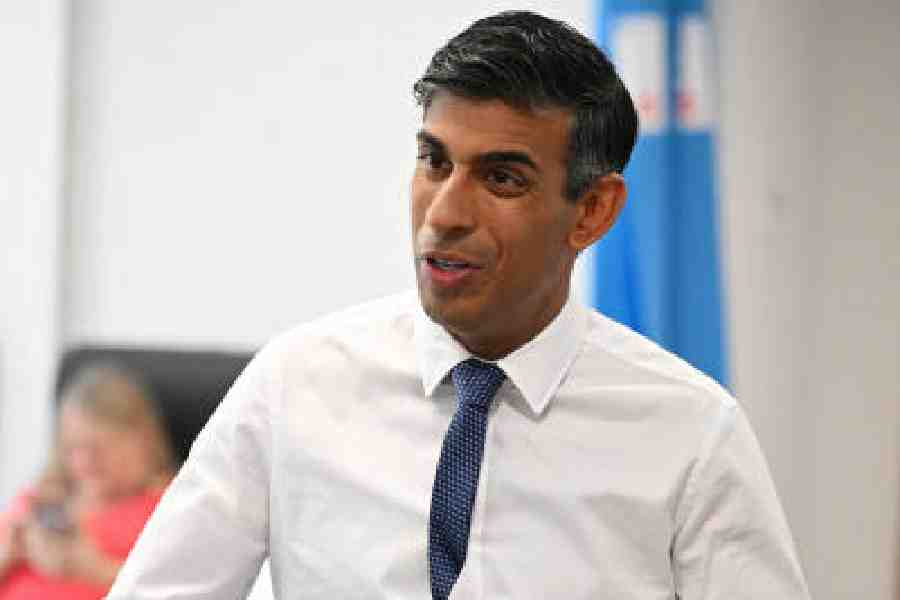
London, Agencies:  British Prime Minister Rishi Sunak has expressed his hope for a de-escalation of the ongoing India-Canada diplomatic row during a call with his Canadian counterpart, Justin Trudeau. The conversation was primarily dominated by the standoff stemming from the killing of a Sikh separatist leader in June.

A Downing Street statement confirmed that the British Indian leader spoke to Prime Minister Trudeau on Friday evening and was briefed on the situation concerning Canadian diplomats in India. During the call, both leaders agreed to maintain open lines of communication.

Rishi Sunak reiterated the UK's stance on respecting the rule of law, emphasizing the importance of all countries adhering to the principles of the Vienna Convention on Diplomatic Relations, which includes respecting sovereignty. He expressed his desire to witness a de-escalation in the ongoing situation and committed to remaining in contact with Prime Minister Trudeau to discuss the next steps.

The diplomatic row between India and Canada has garnered international attention, and various nations have called for a peaceful resolution to the tensions. The UK's commitment to upholding the rule of law and diplomatic conventions underlines its efforts to contribute to a constructive resolution to the dispute.

As the situation unfolds, diplomatic channels remain open for discussions, with the hope that a peaceful resolution can be reached, fostering stability and cooperation among nations.

Jantar Mantar Phenomenon: More Than a Gen Z Outburst

There must be something more behind this movement—something that has enabled it to surpass, in reach, intensity and staying power, many of the mass movements witnessed in independent India

Prof. Pradeep Mathur   |  19 hours ago

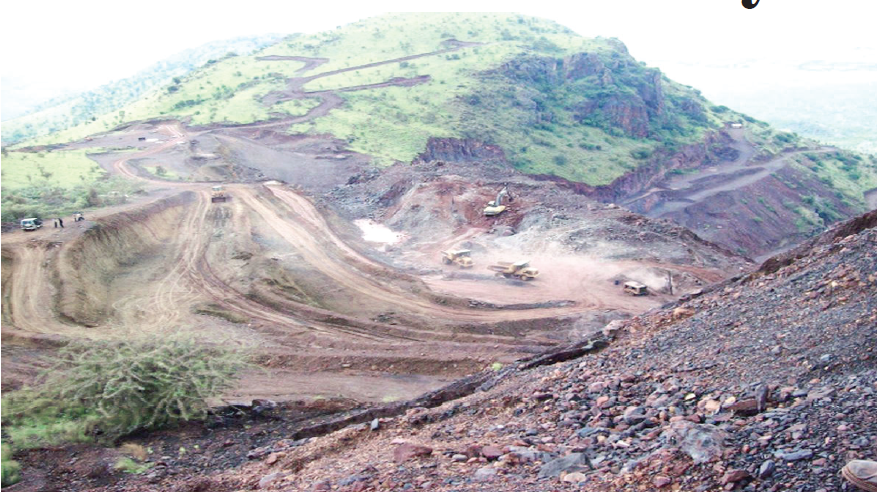
Ballari’s Mining Disaster: From Institutional Capture to Real-Time Accountability

The environmental consequences extended beyond the immediate mining sites. Heavy truck traffic damaged roads, increased dust pollution and created safety hazards. Excavation and the removal of vegetation exposed fragile hillsides to erosion

K. N. Laxminarayan   |  19 hours ago

Erasing Voters, Banning Streets: The Growing Crisis of Institutional Trust

India faces growing concerns over voter roll revisions, Jantar Mantar protest restrictions and the Election Commission’s credibility. Can dialogue restore democratic trust?

DINESH DUBEY   |  19 hours ago

The Cost of Caution: How Red-Tape Witch Hunts Looms of Ladakh and Kill Bold Governance

Looms of Ladakh empowered hundreds of women artisans through sustainable livelihoods and local ownership. Can bureaucratic red tape undermine grassroots innovation?

VK Bahuguna   |  1 day, 14 hours ago

Ancestral Rights to Forests, Yet Justice Remains Elusive

The second regional review conference on the implementation of the Forest Rights Act, held in Kolkata on October 9, 2026, brought this question back into focus

Kumar Krishnan   |  1 day, 15 hours ago

Karnataka’s Forest Governance Crisis: The Anatomy of Policy Paralysis

Karnataka’s experience reveals a striking paradox. Long-term leases and administrative concessions have continued to be considered for an economically unviable public-sector paper mill, while an advanced public-sector mining operation was terminated under environmental and judicial pressure

K. N. Laxminarayan   |  1 day, 15 hours ago

Comments

YOU MIGHT ALSO LIKE

View More

By Prof. Pradeep Mathur   |   19 hours ago
Jantar Mantar Phenomenon: More Than a Gen Z Outburst
By Kumar Krishnan   |   1 day, 15 hours ago
Ancestral Rights to Forests, Yet Justice Remains Elusive
By Khalid Rasool   |   2 days, 8 hours ago
Gaza: The Question Mark Over the “Civilised” World