The Return of Tarique Rahman to Bangladesh

 9 months, 2 weeks ago
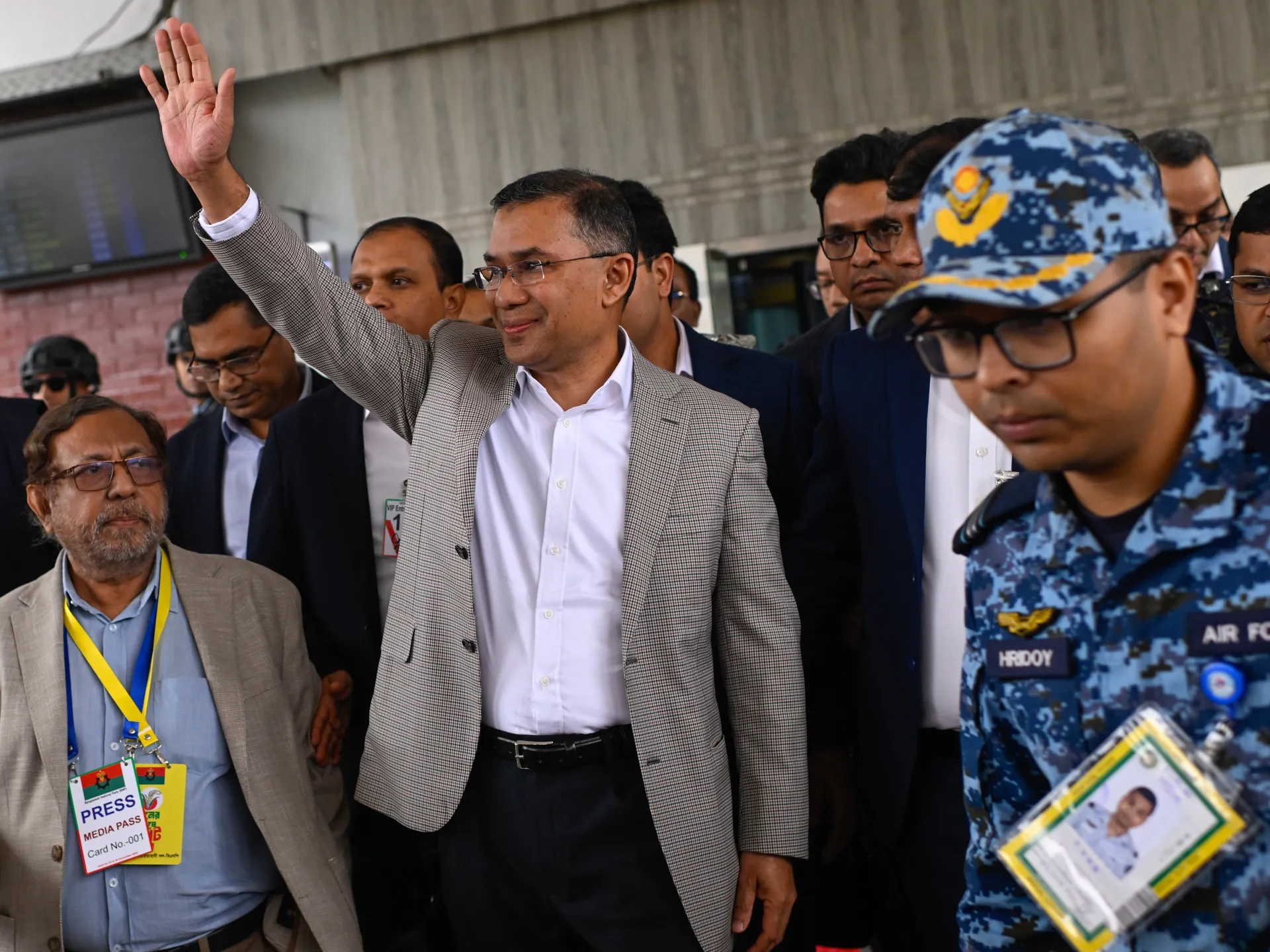
The return of Bangladesh Nationalist Party (BNP) leader Tarique Rahman after 17 years in exile has triggered a volatile reaction from the pro-Pakistan Jamaat-E-Islami. A Jamaat-aligned lawyer, Shahriar Kabir, issued a direct death threat against Rahman, accusing him of "betraying his father" and bowing to Indian conditions. This provocation underscores a deepening rift between the two former allies as the country prepares for national elections scheduled for February 12, 2025.
The Jamaat-E-Islami’s hostility stems from Rahman’s immense popularity and his push for immediate elections, which conflicts with Jamaat's preference for delaying the polls. While Jamaat is attempting to consolidate power through an alliance with the National Citizens' Party (NCP), internal rebellions are surfacing within the NCP over partnering with the radical group. Meanwhile, the BNP has strategically countered Jamaat by forming its own alliance with the Jamiat Ulama-e-Islam (JUI), a more traditionalist religious party.
A central theme of the current tension is the "India factor." Jamaat has consistently used anti-India rhetoric to fuel unrest, accusing Rahman of being a puppet of New Delhi. In contrast, Rahman has adopted a "Bangladesh First" policy, explicitly stating that his party will not favor "Dilli or Pindi" (Delhi or Rawalpindi). He has pledged to protect the rights of all citizens—including Hindus, Buddhists, and Christians—and has called for an end to the mob violence and religious extremism that Jamaat has been accused of inciting.
The political climate is further destabilized by allegations of a deep-rooted conspiracy to delay the elections through violence. Reports suggest that radical mobs have targeted journalists, media houses, and Indian missions to create a sense of lawlessness. The killing of Sharif Osman Hadi has also sparked internal accusations that such incidents are being orchestrated to justify an extension of the interim government's rule and block the democratic process.
Ultimately, the election appears to be a two-way contest between the BNP and the Jamaat-led bloc, following the ban on the Awami League. As Rahman focuses on restoration of law and order and democratic foundations, Jamaat remains committed to a hardline Islamist agenda. The outcome of this power struggle will determine whether Bangladesh moves toward a pluralistic, secure democracy or a path of radicalization and regional instability.




[[comment.comment_text]]