What 2025’s Applause Chose to Ignore

 9 months, 1 week ago
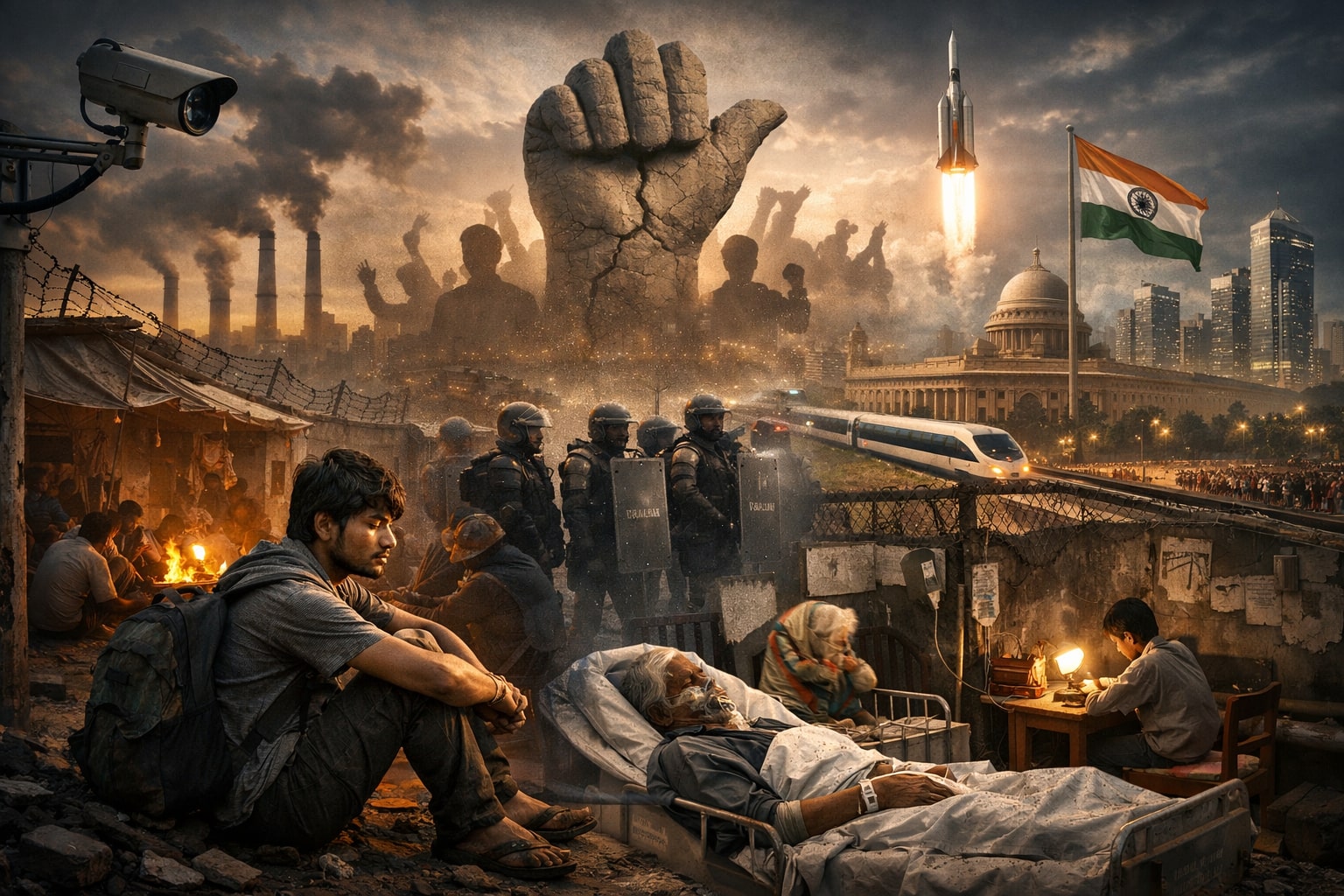
Time is neither a manifesto for any ideology nor an advertisement for any government. Layers of experiences, incidents, and unanswered questions are left behind as it passes silently. For India, 2025 was just that—a year that cannot be summed up as either a festival of successes or a funeral of setbacks. It served as a mirror, reflecting both the gaps in institutional strength and the height of national ambitions.
Year of Uneasy Stillness
2025 was portrayed as a year of achievements for those in positions of authority, but it was a year of uneasy stillness for the general public. It exposed a more profound reality: an unseen divide is formed within a country when the language of citizens shrinks to lived experience and the language of governance becomes statistics. That distance becomes noticeable in 2025.
It was the year that India declared to the world that it was progressing, but the more concerning question of who was advancing and who was falling behind remained unresolved.
India was unquestionably confident on the international scene in 2025. India's reputation as a major player in the world was enhanced by its leadership in the Global South, increased diplomatic involvement, and strategic alliances. However, this same confidence frequently came across as nervous, even defensive, when faced with home issues.
Although this paradox is not new, it grew more pronounced and apparent in 2025—an assertive India overseas, a cautious India at home, unable to confront difficult realities. This is the true test of democracy.
Digital Revolution
The development of India's digital public infrastructure is one accomplishment of 2025 that merits acknowledgment without fanfare or nationalist zeal. Direct benefit transfers, digital payments, and online government services are already commonplace practices rather than experiments.
The biggest effect of this change has been a partial reduction in the distance between citizens and the state. Transparency increased in a number of sectors, intermediaries became less important, and processes became easier. Importantly, this transformation affected both rural and urban India and was not limited to any one socioeconomic group.
However, the growth of monitoring and the electronic control of dissent also gained traction in tandem with this digital efficiency. Questions invariably surface when technology transcends facilitation and starts to act as a tool of control. These questions were posed in 2025, however the majority of the time they received no response at all.
In 2025, India's economy showed some resilience in the face of global concerns. Growth was stabilized by the startupecosystem, the services industry, and domestic consumption. Investors still saw India as a potential long-term prospect, but there are still unanswered structural issues.
Beneath this seeming steadiness, however, was a disturbing reality: development was not distributed equally. Although economic indicators appeared to be improving, they had little effect on the daily lives of common people. A strong economy and a balanced society are not the same thing, as demonstrated by inflation, job insecurity, and income unpredictability.
Unorganised Sector’s Woes Persist
Small enterprises and the unorganized sector persisted in their struggles amid the glamour of startups and the stock market. At the peak, growth was evident, but at the bottom, fatigue was obvious. This comparison demonstrated the continuous widening of the gap between GDP and lived reality. Through advancements in science, technology, and defenseproduction, India demonstrated in 2025 that self-reliance was an ingrained policy choice rather than merely a catchphrase. Reassurance that the nation was considering the long term was provided by advancements in space exploration and domestic technical growth.
Because it was concurrently linked to future security, economic independence, and international prestige, this accomplishment was significant. In 2025, science seemed to be more of a national need than a source of pride.
The employment front proved to be the worst failure of 2025. Not only was there a shortage of jobs, but the quality of the work that was available was also a problem. The jobs that were available were mostly low-paying, unstable, and transient. This turned into a psychological catastrophe as well as an economic challenge for young people.
Unemployment Remains a Big Challenge
The most unsettling political reality of 2025 turned out to be unemployment. It was about their dignity as much as the quantity of jobs. While security and stability were subtly ignored, the gig economy was marketed as an opportunity.
This generation is the most digitally connected, the most educated, and possibly the most disgruntled that India has ever seen. Even though it wasn't given enough attention at the governmental level in 2025, this discomfort was obviously felt. The most optimistic group in India, young people, also seemed to be the ones who were waiting the longest. A democracy is at risk from such protracted waiting. The cornerstones of any society are healthcare and education. However, both sectors continued to face ongoing difficulties in 2025. There were still significant concerns about the capacity of the public health system, the quality of public educational institutions, and the independence of universities.
While privatization increased options, it reduced equality. Financial ability has increasingly become a determining factor in access to high-quality healthcare and education. This failure is especially risky since its effects take time to manifest and eventually solidify societal differences. Health and education continued to be priorities in speeches even in 2025, but there was little consistent investment at the local level. The capacity of government hospitals, academic freedom, research independence, and university autonomy continued to be questioned. Democracy starts to violate its social compact when healthcare becomes a luxury and education becomes costly. That divide grew more apparent than before in 2025.
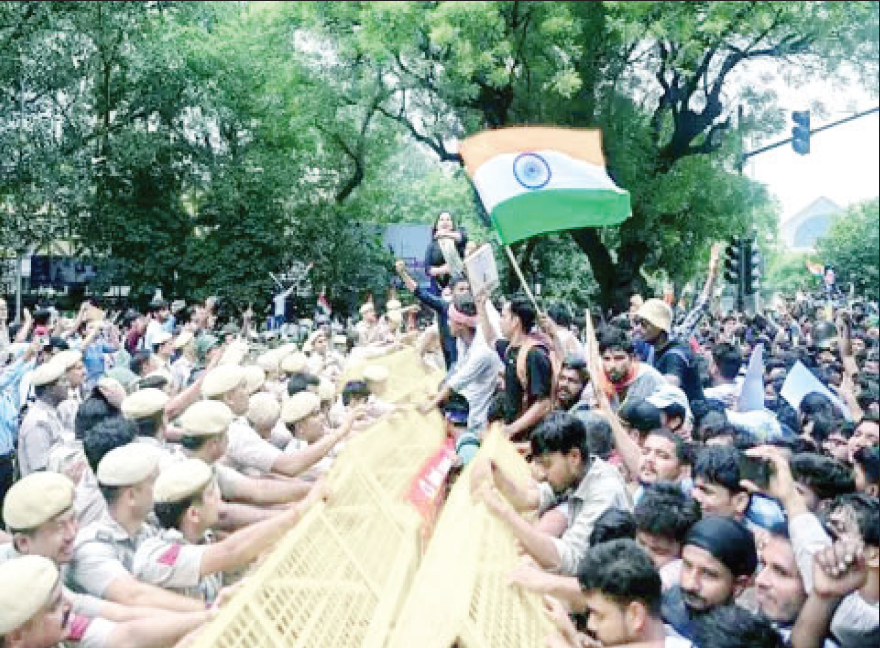
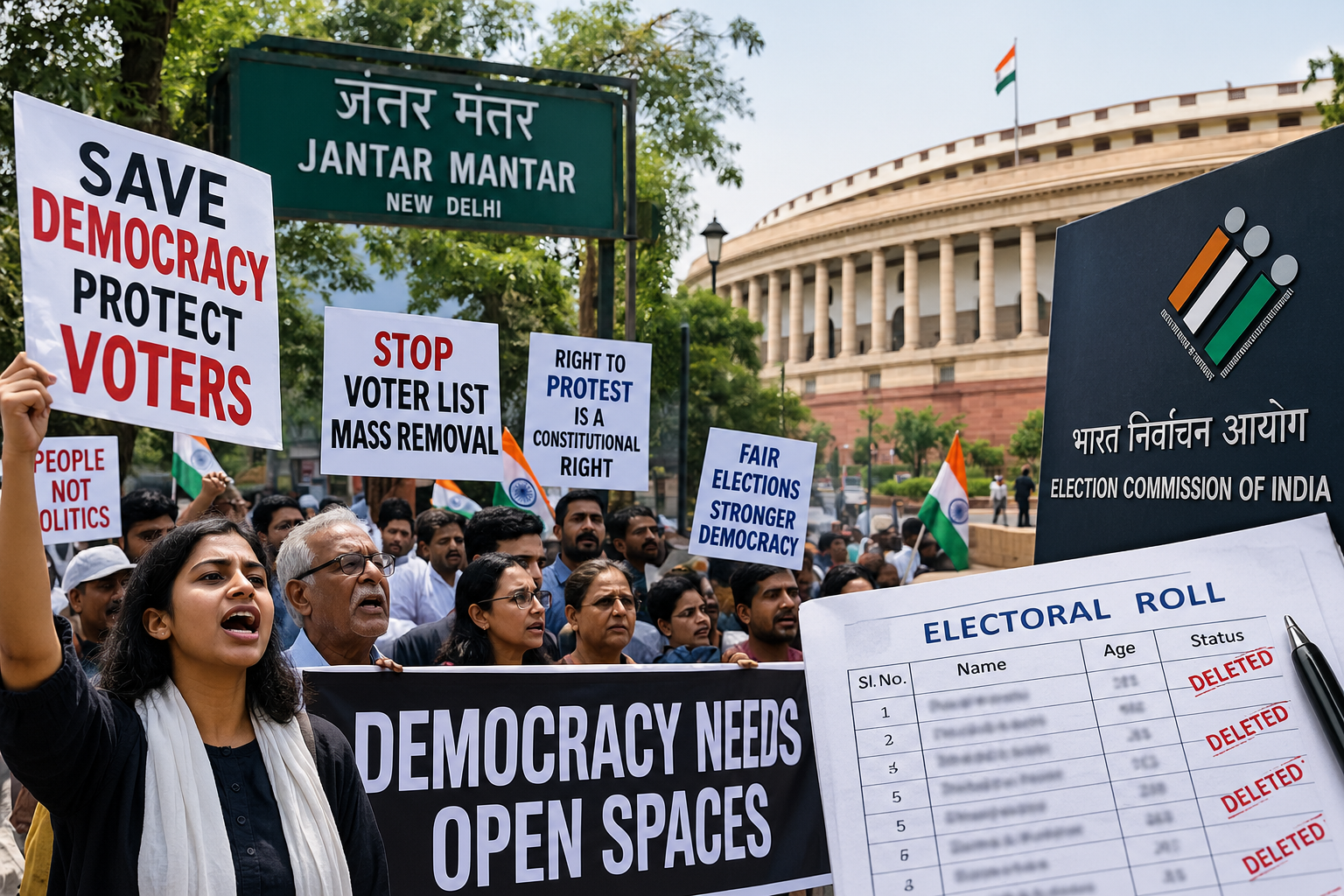
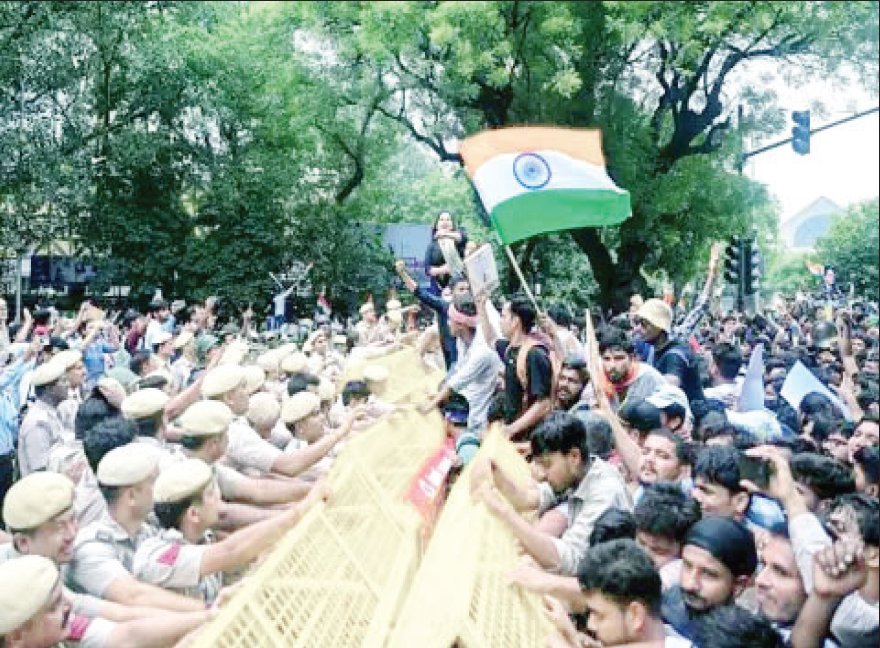
Democracy had a difficult year in 2025. Although the electoral process has endured, democracy depends on more than just ballots. The room for inquiry, criticism, and dissent kept getting smaller. Institutions persisted, but the confidence that surrounded them gradually deteriorated.
Dissent Viewed As Annoyance
Institutions survived and elections were held, but democracy's voice faded. Dissent was viewed as an annoyance, and criticism was frequently labeled as anti-national. A democracy may continue to exist on the outside when it starts to fear inquiries, but on the inside it becomes weary. A democracy that is afraid of being questioned gradually devolves into an administrative shell of authority. Democracy was alive in 2025, but it wasn't comfortable. You could feel that weariness.
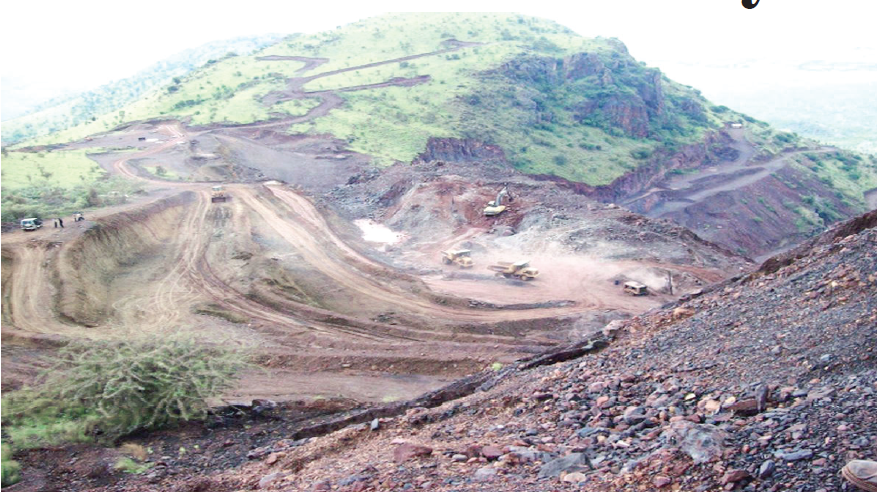
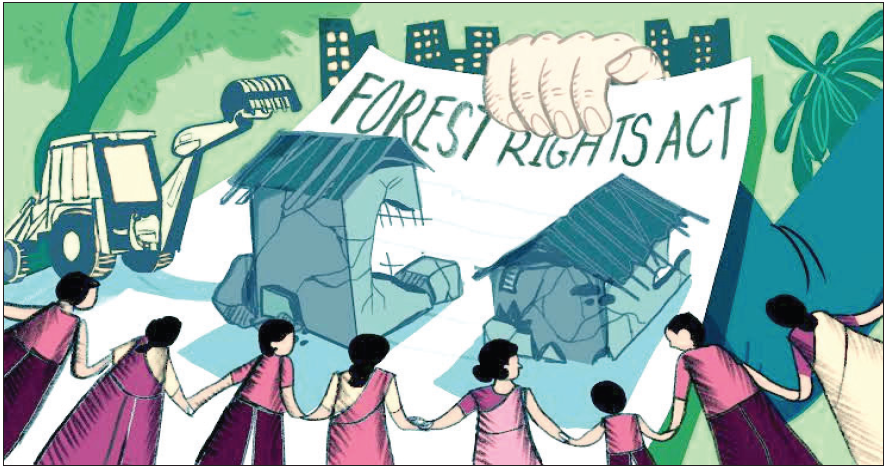
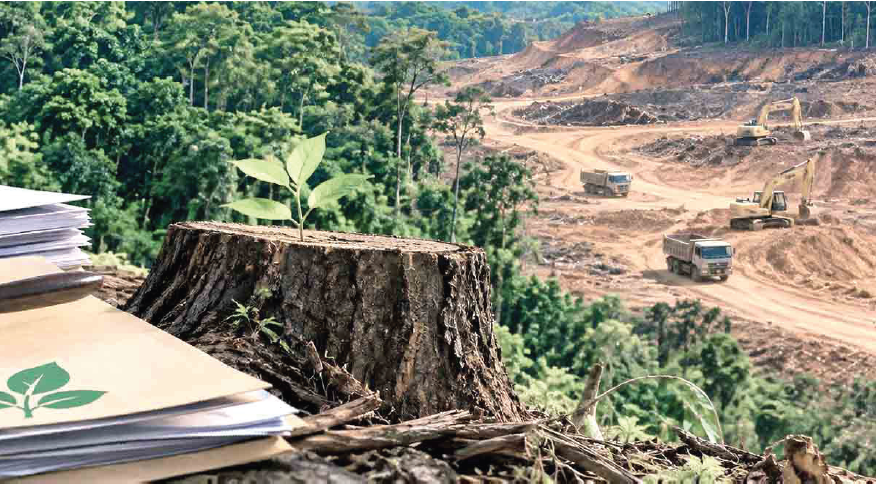
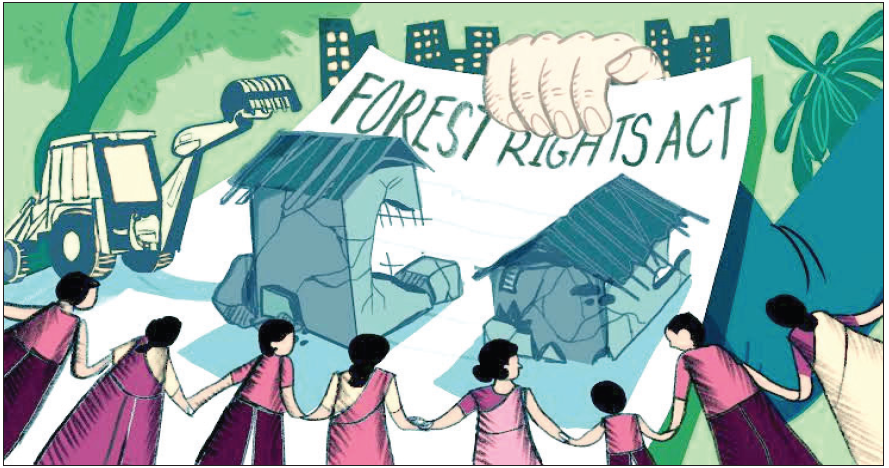
The environment constantly provided warnings in 2025, but policy consistently delayed responding. The environment consistently lost the argument between ecology and development. This was a failure of political will rather than just a natural problem.
Politics Stays Divisive
In 2025, politics did more to split society apart than to unite it. Fear, identity, and faith were used as electoral math tools. Slogans took the place of discussion, distrust took the place of dissent, and suspicion took the place of conversation. Social interactions were further hampered by identity-based politics. This type of erosion gradually erodes society's spirit but never shows up in reports or budgets. It is a deterioration brought on by political language rather than legislation.
One thing became evident in 2025: fast development is insufficient on its own. Justice, equality, and empathy must accompany it. This year, India increased its technological capabilities, bolstered its international reputation, and gained confidence.
However, it also ran the risk of losing its human balance, mutual trust, and internal discourse. The true question in the coming years won't be how far India has come, but rather how human it was when it got there. This year left us with one last, unsettling reality: nations are not created solely by showcasing their accomplishments, nor do they become stable by stifling criticism. 2025 demonstrated how progress becomes one-sided when authority advances and citizens are left behind.
How many hands India held along the journey is more important than how many summits it touched. Because development that provides no room for people to walk together eventually produces a swarm rather than a civilization.
The most important lesson of 2025 is that democracy depends not only on the ability to rule but also on the desire to listen. Trust cannot be imposed by power, but it may provide orders. And there is no stability—just silence—where confidence is betrayed.
If this year is remembered, it won't be for a list of accomplishments but rather as a cautionary tale about the need for more than just power to advance India. Partnership, communication, and empathy are all equally important.
(Author, a doctorate in laws, is a senior lawyer and civil society activist.)



[[comment.comment_text]]