The Great Miscommunication, TRIGGERS STUNNING LOSSES
 6 months, 4 weeks ago
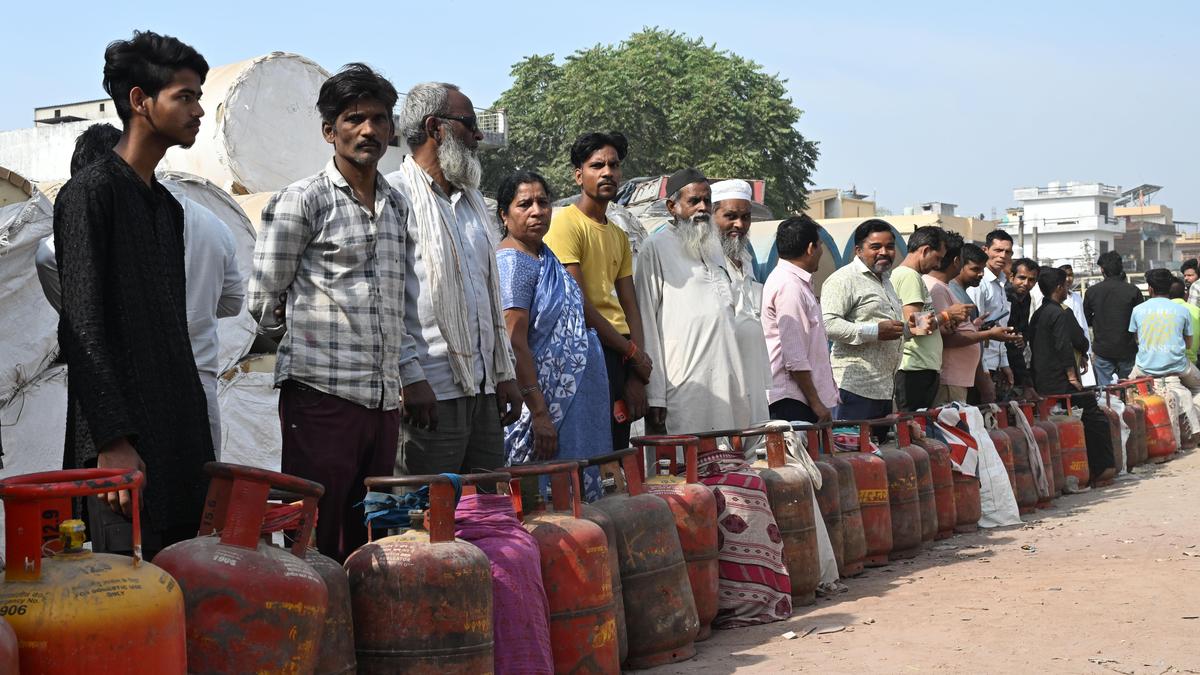
It’s about miscommunication and unfathomed losses. Never has the Gulf wars jolted India so hard. India’s recent anxiety over a supposed petroleum and LPG “shortage” is less a story of actual scarcity and more a case study in poor official communication. There may well be supply pressures in parts of the system, but the situation was far from a nationwide crisis. Communication builds trust. Yet an ill-timed advisory reportedly restricting LPG supplies to industrial and commercial users triggered widespread panic.
Restaurants, roadside eateries, school canteens, Ayodhya temple prasad and small kitchens suddenly feared shutdowns. The warning travelled faster than the clarification. Hoarding began, black-market prices surfaced and parts of the hospitality sector faced disruption. It is estimated to cause a loss of Rs 1200-1300 crore a day to restaurateurs alone.
It’s further accentuated. Iran denies reports that it opened the Strait of Hormuz exclusively for Indian oil tankers, a speculation that followed EAM S Jayashankar’s talks with Iran foreign minister Abbas Araghchi. About 28 Indian ships and 778 Indian sailors are stuck in the Strait.
Is it a new “message” to the neighbour, India?
Since 1914, most wars affecting Asia have been driven by Euro-American power rivalries, and the present conflict carries similar overtones. Yet Asian nations, including Iran and Afghanistan, are unlikely to remain passive.
At this juncture India has to be observant and call the shots for Asia. Communication is the key. Whosoever masters it may lead the world. The reckoning for Asia has arrived.
For India, this is a moment to act with clarity and leadership. Communication will shape outcomes. Energy disruptions are already hurting industries and eateries, revealing excessive dependence on petroleum. Poor messaging has worsened the situation, turning a manageable strain into a deeper economic anxiety costing billions.
Hits Logistics
Communication failures can inflict real economic damage. Supply chains run not only on fuel and inventory but also on confidence. A rumour of shortage can stall logistics faster than an actual disruption. When businesses fear that cylinders may not arrive tomorrow, they curtail operations today. In that sense, a poorly framed message can create the very crisis it seeks to prevent. Pre-war LPG bookings were 55.7 lakhs. Current bookings 75.7 lakh
Financial markets understand this instinctively. They react to signals, expectations and credibility. A careless statement by a regulator or corporate leader can wipe out billions within minutes. Investors watch not just data but tone, clarity and reliability—hence the extreme caution in market-sensitive communication. Misstatements can trigger swift and costly reactions.
The country may never know the economic loss caused by the recent “gassing” of fuel communication. Yet chaos was evident. Some LPG distributors quoted sharply higher prices, others withheld cylinders below certain rates, and black-market premiums appeared almost overnight.
To make matters worse authorities warned commercial establishments and eating jaunts of punitive action against ‘unauthorised’ use of cylinders. The enforcement uses this as an avsar, opportunity, in apada, distress - rent-seeking and harassment.
Protests and panic soon spilled into public spaces, aggravating law and order pressures beyond fuel markets.
Investors also sensed policy confusion. The stock market has struggled to maintain sustained positive trading momentum since the beginning of the year, reflecting broader economic anxieties and uncertainty about energy security.
No Q - Shooting the Messenger
Communication missteps can magnify the problem further when officials appear to blame the messenger. At one point, a senior communicator reportedly advised the media not to “create panic”. The remark overlooked the fundamental role of the press.
Journalism reports facts and ground realities, not calm or panic. When people see queues or hear traders speak of shortages, the media will report it. Asking the press to stay silent rarely restores confidence; it deepens suspicion.
Credibility is central to governance. When those in authority appear evasive, the trust deficit widens rapidly. The situation worsened when an official addressing the media on March 11 regarding LPG availability began with the remark: “No questions, please.” Preventing questions defeats the very purpose of communication. The result was predictable — more speculation, more rumours and a further erosion of credibility.
Contrast with US
The contrast with other global political figures is instructive. Even controversial leaders often understand the importance of constant engagement with the press. US President Donald Trump is frequently facing aggressive questioning from reporters. His answers were sometimes combative or nuanced, but the interaction itself signalled openness. International media outlets, including BBC, reported these exchanges in detail, ensuring that markets and citizens heard the government’s version directly.
Financial markets respond instantly to such signals. During a period of geopolitical tension in West Asia, crude oil prices briefly surged toward $120 per barrel. But Trump‘s comments suggesting a de-escalation helped calm traders, bringing prices closer to $90. Whether one agreed with the politics or not, the communication itself influenced market sentiment.
Critical moments require careful communication. India’s “no-questions” moment did the opposite, weakening official assurances as the messenger lacked credibility. What the petroleum ministry meant as a call to boost LPG production instead signalled shortage and restrictive controls—ironically echoing the very “socialistic” measures the present dispensation criticises.
The problem is not policy alone but messaging. A habit of blunt, poorly framed statements has turned a manageable situation into unnecessary confusion, pushing markets and citizens toward panic rather than reassurance.
Complicating matters were reports that a major supplier like Qatar had disrupted or slowed LPG flows. Without clear explanations, rumours multiplied — including speculation that petrol or diesel supplies might soon face similar disruptions.
Crisis Needs Care for Words
Such rumours expose deeper weaknesses in India’s official communication system. Crisis messaging should anticipate concerns, offer transparency and provide credible timelines. Instead, responses are often delayed, information restricted and questions avoided, leaving a vacuum quickly filled by speculation. India has seen similar lapses before—from poorly handled messaging during the Kargil conflict to confusion surrounding the Pulwama attack, the Galwan Valley clash and even the COVID-19 crisis.
In information warfare on Operation Sindoor too, narratives have often slipped despite ground successes.
Clear communication could also have explained policy options like greater use of low-sulphur diesel to ease LPG pressure. Sound policy alone is insufficient; credibility and timely explanation are equally essential. Communication builds trust; silence or confusion breeds hostility.
Effective governance requires more than sound policy; it requires credible explanation. Markets, citizens and businesses can handle difficult realities — even shortages — if they are told the truth clearly and promptly. What they cannot handle is uncertainty created by silence or mixed signals.







[[comment.comment_text]]